Kirjojen hintavertailu. Mukana 12 262 906 kirjaa ja 12 kauppaa.

Kirjailija

Steven T Moga

Kirjat ja teokset yhdessä paikassa: 2 kirjaa, julkaisuja vuosilta 2020-2024, suosituimpien joukossa Urban Lowlands. Vertaile teosten hintoja ja tarkista saatavuus suomalaisista kirjakaupoista.

Mukana myös kirjoitusasut: Steven T. Moga

2 kirjaa

Kirjojen julkaisuhaarukka 2020-2024.

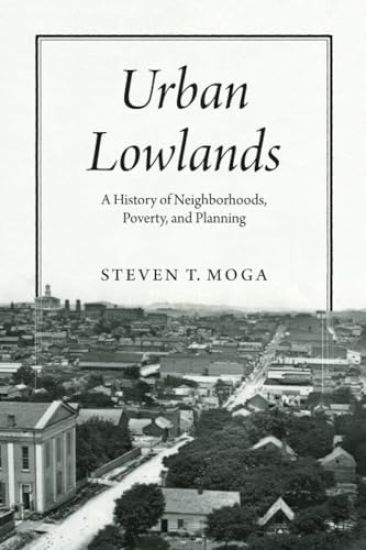
Urban Lowlands

Urban Lowlands

Steven T. Moga

THE UNIVERSITY OF CHICAGO PRESS
2024
nidottu
Interrogates the connections between a city’s physical landscape and the poverty and social problems that are often concentrated at its literal lowest points. In Urban Lowlands, Steven T. Moga looks closely at the Harlem Flats in New York City, Black Bottom in Nashville, Swede Hollow in Saint Paul, and the Flats in Los Angeles, to interrogate the connections between a city’s actual landscape and the poverty and social problems that are often concentrated at its literal lowest points. Taking an interdisciplinary perspective on the history of US urban development from the nineteenth to the mid-twentieth century, Moga reveals patterns of inequitable land use, economic dispossession, and social discrimination against immigrants and minorities. In attending to the landscapes of neighborhoods typically considered slums, Moga shows how physical and policy-driven containment has shaped the lives of the urban poor, while wealth and access to resources have been historically concentrated in elevated areas—truly “the heights.” Moga’s innovative framework expands our understanding of how planning and economic segregation alike have molded the American city.
Urban Lowlands

Urban Lowlands

Steven T Moga

University of Chicago Press
2020
sidottu
In Urban Lowlands, Steven T. Moga looks closely at the Harlem Flats in New York City; Black Bottom in Nashville; Swede Hollow in St. Paul; and the Flats in Los Angeles to interrogate the connections between a city's physical landscape and the poverty and social problems that are often concentrated at its literal lowest points. Taking an interdisciplinary perspective on the history of US urban development that stretches from the nineteenth to the mid-twentieth century, Moga reveals patterns of inequitable land use, economic dispossession, and social discrimination against poor and working-class residents. In attending to the landscapes of neighborhoods typically considered slums, Moga shows how physical and policy-driven containment has shaped the lives of the urban poor, while wealth and access to resources have been historically concentrated in elevated areas--truly "the heights." Moga's innovative framework expands our understanding of how planning and economic segregation alike have molded the American city.