Kirjojen hintavertailu. Mukana 12 595 353 kirjaa ja 12 kauppaa.

Kirjailija

Steven Tudor

Kirjat ja teokset yhdessä paikassa: 2 kirjaa, julkaisuja vuosilta 2010-2016, suosituimpien joukossa Remorse. Vertaile teosten hintoja ja tarkista saatavuus suomalaisista kirjakaupoista.

2 kirjaa

Kirjojen julkaisuhaarukka 2010-2016.

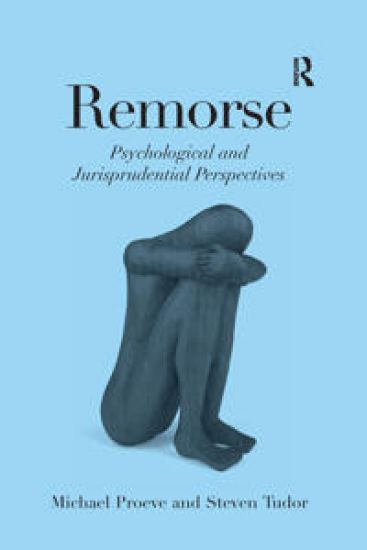
Remorse

Remorse

Michael Proeve; Steven Tudor

Routledge
2016
nidottu
Remorse is a powerful, important and yet academically neglected emotion. This book, one of the very few extended examinations of remorse, draws on psychology, law and philosophy to present a unique interdisciplinary study of this intriguing emotion. The psychological chapters examine the fundamental nature of remorse, its interpersonal effects, and its relationship with regret, guilt and shame. A practical focus is also provided in an examination of the place of remorse in psychotherapeutic interventions with criminal offenders. The book's jurisprudential chapters explore the problem of how offender remorse is proved in court and the contentious issues concerning the effect that remorse - and its absence - should have on sentencing criminal offenders. The legal and psychological perspectives are then interwoven in a discussion of the role of remorse in restorative justice. In Remorse: Psychological and Jurisprudential Perspectives, Proeve and Tudor bring together insights of neighbouring disciplines to advance our understanding of remorse. It will be of interest to theoreticians in psychology, law and philosophy, and will be of benefit to practising psychologists and lawyers.
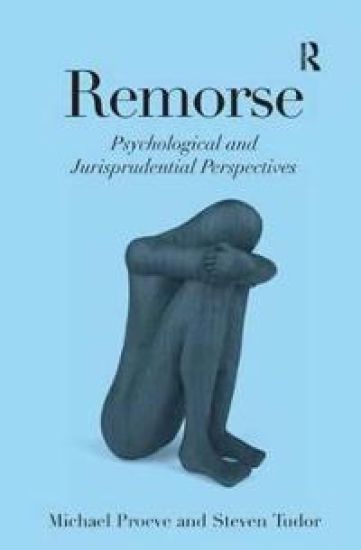
Remorse

Remorse

Michael Proeve; Steven Tudor

Ashgate Publishing Limited
2010
sidottu
Remorse is a powerful, important and yet academically neglected emotion. This book, one of the very few extended examinations of remorse, draws on psychology, law and philosophy to present a unique interdisciplinary study of this intriguing emotion. The psychological chapters examine the fundamental nature of remorse, its interpersonal effects, and its relationship with regret, guilt and shame. A practical focus is also provided in an examination of the place of remorse in psychotherapeutic interventions with criminal offenders. The book's jurisprudential chapters explore the problem of how offender remorse is proved in court and the contentious issues concerning the effect that remorse - and its absence - should have on sentencing criminal offenders. The legal and psychological perspectives are then interwoven in a discussion of the role of remorse in restorative justice. In Remorse: Psychological and Jurisprudential Perspectives, Proeve and Tudor bring together insights of neighbouring disciplines to advance our understanding of remorse. It will be of interest to theoreticians in psychology, law and philosophy, and will be of benefit to practising psychologists and lawyers.