Kirjojen hintavertailu. Mukana 12 417 731 kirjaa ja 12 kauppaa.

Kirjailija

Stig Jarle Hansen

Kirjat ja teokset yhdessä paikassa: 4 kirjaa, julkaisuja vuosilta 2013-2019, suosituimpien joukossa Al-Shabaab in Somalia: The History and Ideology of a Militant Islamist Group. Vertaile teosten hintoja ja tarkista saatavuus suomalaisista kirjakaupoista.

4 kirjaa

Kirjojen julkaisuhaarukka 2013-2019.

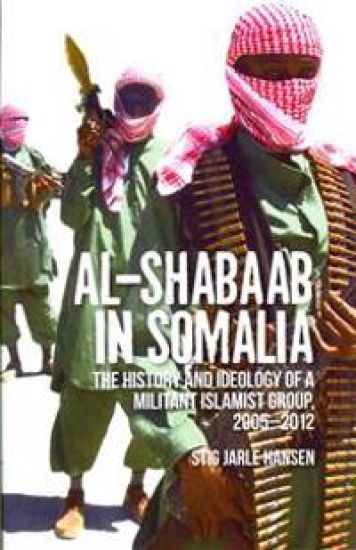
Al-Shabaab in Somalia: The History and Ideology of a Militant Islamist Group
Since early 2007 a new breed of combatants has appeared on the streets of Mogadishu and other towns in Somalia: the 'Shabaab', or youth, the only self-proclaimed branch of al-Qaeda to have gained acceptance (and praise) from Ayman al-Zawahiri and 'AQ centre' in Afghanistan. Itself an offshoot of the Islamic Courts Union, which split in 2006, Shabaab has imposed Sharia law and is also heavily influenced by local clan structures within Somalia itself. It remains an infamous and widely discussed, yet little-researched and understood, Islamist group. Hansen's remarkable book attempts to go beyond the media headlines and simplistic analyses based on alarmist or localist narratives and, by employing intensive field research conducted within Somalia, as well as on the ground interviews with Shabaab leaders themselves, explores the history of a remarkable organisation, one that has survived predictions of its collapse on several occasions. Hansen portrays al-Shabaab as a hybrid Islamist organization that combines a strong streak of Somali nationalism with the rhetorical obligations of international jihadism, thereby attracting a not insignificant number of foreign fighters to its ranks. Both these strands of Shabaab have been inadvertently boosted by Ethiopian, American and African Union attempts to defeat it militarily, all of which have come to nought.
Horn, Sahel and Rift

Horn, Sahel and Rift

Stig Jarle Hansen

C Hurst Co Publishers Ltd
2019
sidottu
The 1998 attacks against US embassies in Nairobi and Dar es Salaam attest to al-Qaeda’s durable presence in Africa, yet Islamist-inspired radical organisations in the continent have gained much attention of late, the result of their campaigns of insurgent and terrorist violence directed against the state in Algeria, Somalia, Nigeria, Mali, Burkina Faso, Niger, Tanzania, Ethiopia, Uganda, Djibouti and Kenya. These groups include Al-Qaeda in the Islamic Maghreb, Harakat Al Shabaab, Boko Haram, the Movement for Oneness and Jihad in West Africa, and Ansar Dine. This book explains why the Idea of Jihad is alive and well in sub-Saharan Africa, even after more than thirty years of Western and global efforts to curtail it, and how most important organisations are formed by the interaction between the often under-estimated local and global dynamics. Stig Jarle Hansen has been researching African radical violent Islamism for more than fifteen years and is well placed to explain how and why such groups emerged, whether they manifest any specific traits compared with other violent Islamists, and what is likely to be their impact beyond the African continent. He also discusses the response of African and Western governments to this phenomenon.
Al-Shabaab in Somalia

Al-Shabaab in Somalia

Stig Jarle Hansen

C Hurst Co Publishers Ltd
2016
nidottu
Since early 2007 a new breed of combatants has appeared on the streets of Mogadishu and other towns in Somalia: the 'Shabaab', or youth, the only self-proclaimed branch of al-Qaeda to have gained acceptance (and praise) from Ayman al-Zawahiri and 'AQ centre' in Afghanistan. Itself an offshoot of the Islamic Courts Union, which split in 2006, Shabaab has imposed Sharia law and is also heavily influenced by local clan structures within Somalia itself. It remains an infamous and widely discussed, yet little-researched and understood, Islamist group. Hansen's remarkable book attempts to go beyond the media headlines and simplistic analyses based on alarmist or localist narratives and, by employing intensive field research conducted within Somalia, as well as on the ground inter- views with Shabaab leaders themselves, explores the history of a remarkable organisation, one that has survived predictions of its collapse on several occasions. Hansen portrays al-Shabaab as a hybrid Islamist organisation that combines a strong streak of Somali nationalism with the rhetorical obligations of international jihadism, thereby attracting a not insignificant number of foreign fighters to its ranks. Both these strands of Shabaab have been inadvertently boosted by Ethiopian, American and African Union attempts to defeat it militarily, all of which have come to nought.
Al-Shabaab in Somalia

Al-Shabaab in Somalia

Stig Jarle Hansen

C Hurst Co Publishers Ltd
2013
sidottu
Since early 2007 a new breed of combatants has appeared on the streets of Mogadishu and other towns in Somalia: the 'Shabaab', or youth, the only self-proclaimed branch of al-Qaeda to have gained acceptance (and praise) from Ayman al-Zawahiri and 'AQ centre' in Afghanistan. Itself an offshoot of the Islamic Courts Union, which split in 2006, Shabaab has imposed Sharia law and is also heavily influenced by local clan structures within Somalia itself. It remains an infamous and widely discussed, yet little-researched and understood, Islamist group. Hansen's remarkable book attempts to go beyond the media headlines and simplistic analyses based on alarmist or localist narratives and, by employing intensive field research conducted within Somalia, as well as on the ground inter- views with Shabaab leaders themselves, explores the history of a remarkable organisation, one that has survived predictions of its collapse on several occasions. Hansen portrays al-Shabaab as a hybrid Islamist organisation that combines a strong streak of Somali nationalism with the rhetorical obligations of international jihadism, thereby attracting a not insignificant number of foreign fighters to its ranks. Both these strands of Shabaab have been inadvertently boosted by Ethiopian, American and African Union attempts to defeat it militarily, all of which have come to nought.