Kirjojen hintavertailu. Mukana 12 595 353 kirjaa ja 12 kauppaa.

Kirjailija

Stratis Papaioannou

Kirjat ja teokset yhdessä paikassa: 3 kirjaa, julkaisuja vuosilta 2013-2021, suosituimpien joukossa Michael Psellos. Vertaile teosten hintoja ja tarkista saatavuus suomalaisista kirjakaupoista.

3 kirjaa

Kirjojen julkaisuhaarukka 2013-2021.

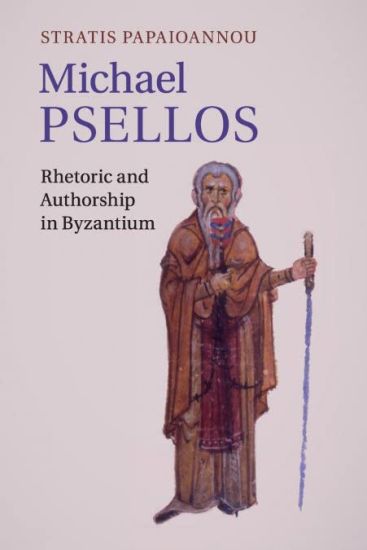
Michael Psellos

Michael Psellos

Stratis Papaioannou

Cambridge University Press
2016
pokkari
This book explores Michael Psellos' place in the history of Greek rhetoric and self-representation and his impact on the development of Byzantine literature. Avoiding the modern dilemma that vacillates between Psellos the pompous rhetorician and Psellos the ingenious thinker, Professor Papaioannou unravels the often misunderstood Byzantine rhetoric, its rich discursive tradition and the social fabric of elite Constantinopolitan culture which rhetoric addressed. The book offers close readings of Psellos' personal letters, speeches, lectures and historiographical narratives, and analysis of other early Byzantine and classical models of authorship in Byzantine book culture, such as Gregory of Nazianzos, Synesios of Cyrene, Hermogenes and Plato. It also details Psellos' innovative attention to authorial creativity, performative mimesis and the aesthetics of the self. Simultaneously, it traces within Byzantium complex expressions of emotion and gender, notions of authorship and subjectivity, and theories of fictionality and literature, challenging the common fallacy that these are modern inventions.
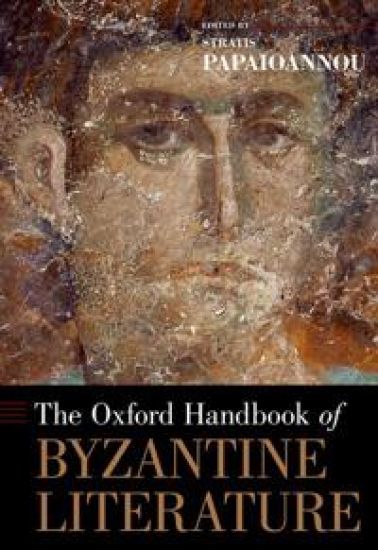
The Oxford Handbook of Byzantine Literature

The Oxford Handbook of Byzantine Literature

Stratis Papaioannou

Oxford University Press Inc
2021
sidottu
This volume, the first ever of its kind in English, introduces and surveys Greek literature in Byzantium (330 - 1453 CE). In twenty-five chapters composed by leading specialists, The Oxford Handbook of Byzantine Literature surveys the immense body of Greek literature produced from the fourth to the fifteenth century CE and advances a nuanced understanding of what "literature" was in Byzantium. This volume is structured in four sections. The first, "Materials, Norms, Codes," presents basic structures for understanding the history of Byzantine literature like language, manuscript book culture, theories of literature, and systems of textual memory. The second, "Forms," deals with the how Byzantine literature works: oral discourse and "text"; storytelling; rhetoric; re-writing; verse; and song. The third section ("Agents") focuses on the creators of Byzantine literature, both its producers and its recipients. The final section, entitled "Translation, Transmission, Edition," surveys the three main ways by which we access Byzantine Greek literature today: translations into other Byzantine languages during Late Antiquity and the Middle Ages; Byzantine and post-Byzantine manuscripts; and modern printed editions. The volume concludes with an essay that offers a view of the recent past--as well as the likely future--of Byzantine literary studies.
Michael Psellos

Michael Psellos

Stratis Papaioannou

Cambridge University Press
2013
sidottu
This book explores Michael Psellos' place in the history of Greek rhetoric and self-representation and his impact on the development of Byzantine literature. Avoiding the modern dilemma that vacillates between Psellos the pompous rhetorician and Psellos the ingenious thinker, Professor Papaioannou unravels the often misunderstood Byzantine rhetoric, its rich discursive tradition and the social fabric of elite Constantinopolitan culture which rhetoric addressed. The book offers close readings of Psellos' personal letters, speeches, lectures and historiographical narratives, and analysis of other early Byzantine and classical models of authorship in Byzantine book culture, such as Gregory of Nazianzos, Synesios of Cyrene, Hermogenes and Plato. It also details Psellos' innovative attention to authorial creativity, performative mimesis and the aesthetics of the self. Simultaneously, it traces within Byzantium complex expressions of emotion and gender, notions of authorship and subjectivity, and theories of fictionality and literature, challenging the common fallacy that these are modern inventions.