Kirjojen hintavertailu. Mukana 12 595 353 kirjaa ja 12 kauppaa.
Kirjailija
Stuart Griffin
Kirjat ja teokset yhdessä paikassa: 3 kirjaa, julkaisuja vuosilta 2004-2021, suosituimpien joukossa The Territory. Vertaile teosten hintoja ja tarkista saatavuus suomalaisista kirjakaupoista.
Eric Tanger has move back to Yreka Cal with his newly married wife and son, they left Stone ridge leaving close friends behind. Sally and Byronare their closes neighbors in Yreka, Byron is like a father to Eric. Rufus Burns unexpectedly comes into their lives with turns, then Eric's close friendWill need his help back in stone ridge which only Eric can give the help.
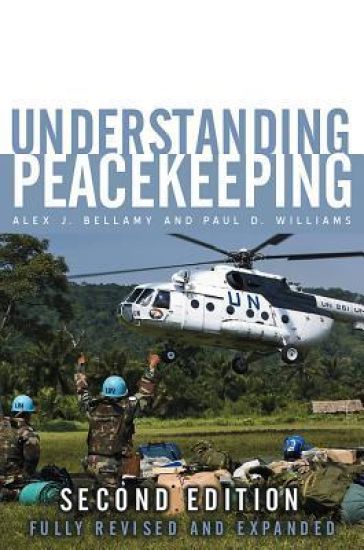
Peace operations are now a principal tool for managing armed conflict and building world peace. The fully revised, expanded and updated second edition of Understanding Peacekeeping provides a comprehensive and up-to-date introduction to the theory, practice and politics of contemporary peace operations. Drawing on more than twenty-five historical and contemporary case studies, this book evaluates the changing characteristics of the contemporary environment in which peacekeepers operate, what role peace operations play in wider processes of global politics, the growing impact of non-state actors, and the major challenges facing today's peacekeepers. All the chapters have been revised and expanded and eight new chapters have been added. Part 1 summarizes the central concepts and issues related to peace operations. It includes a new discussion of the theories of peace operations and analysis of the emerging responsibility to protect norm. Part 2 charts the historical development of peacekeeping from 1945 and includes a new chapter on peace operations in the 21st century.In Part 3, separate chapters analyze seven different types of peace operations: preventive deployments; traditional peacekeeping; assisting transition; transitional administrations; wider peacekeeping; peace enforcement; and peace support operations. Part 4 looks forward and examines the central challenges facing today's peacekeepers, namely, globalization, the regionalization of peace operations, the privatization of security, civilian protection, policing and gender issues. The second edition of Understanding Peacekeeping will be essential reading for students and scholars of peace and conflict studies, security studies, and international relations.
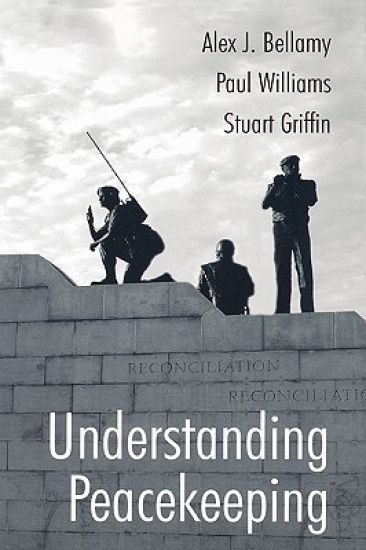
Understanding Peacekeeping provides a comprehensive and up to date introduction to the theory, practice and politics of contemporary peacekeeping. It evaluates the changing characteristics of the contemporary environment in which peacekeepers operate, what role peacekeeping plays in wider processes of global politics, the growing impact of non-state actors, and the major challenges facing peacekeepers in the future. Drawing on a wide range of historical and contemporary case studies, including: Afghanistan; Cambodia, Cyprus; the Democratic Republic of Congo; East Timor; El Salvador; Haiti, Liberia; Rwanda; Sierra Leone; Somalia; and the former Yugoslavia, this book develops an original conceptual framework to chart the evolution of the role of peacekeeping in global politics, and highlights the unique characteristics of different types of peacekeeping operations. Part 1 examines concepts and issues related to peacekeeping in global politics. Part 2 charts the historical development of peacekeeping from 1945 to the present. In Part 3, separate chapters are devoted to different types of peacekeeping operations: traditional peacekeeping; managing transition; wider peacekeeping; peace enforcement; and peace support operations. Part 4 looks forward and examines developments in global politics that are presenting serious challenges to the concept and practice of peacekeeping, namely, globalization, the privatization of security, preventing violent conflict, and the establishment of protectorates. Understanding Peacekeeping will be essential reading for students and scholars of peace and conflict studies, security studies, and international relations.