Kirjojen hintavertailu. Mukana 12 595 353 kirjaa ja 12 kauppaa.
Kirjailija
Stuart H. James
Kirjat ja teokset yhdessä paikassa: 4 kirjaa, julkaisuja vuosilta 1998-2023, suosituimpien joukossa Principles of Bloodstain Pattern Analysis. Vertaile teosten hintoja ja tarkista saatavuus suomalaisista kirjakaupoista.
This latest edition of a bestseller adds new material and expands on previous work. The book includes new chapters on mathematics and physics for bloodstain pattern analysis, the application of the scientific method to bloodstain pattern analysis and experimentation, the forensic photography of bloodstain patterns, and SWGSTAIN Terminology (FBI
Bloodstain evidence has become a deciding factor in the outcome of many of the world's most notorious criminal cases. As a result, substantiation of this evidence is crucial to those on either side of the courtroom aisle. The challenge is to obtain an authoritative reference that provides the latest information in a comprehensive and effective manner. Principles of Bloodstain Pattern Analysis: Theory and Practice presents an in-depth investigation of this important subject matter. A multidisciplinary approach is presented throughout the book that uses scene and laboratory examinations in conjunction with forensic pathology, forensic serology, and chemical enhancement techniques. Emphasis is on a thought process based on taxonomic classification of bloodstains that takes into account their physical characteristics of size, shape, and distribution, and the specific mechanisms that produce them. Individual chapters analyze case studies, with two chapters specifically discussing the details of legal issues as they pertain to bloodstain pattern analysis. Information highlighted throughout the book includes an examination of bloodstained clothing and footwear and information on bloodstain interpretation for crime scene reconstruction. Dramatic color images of bloodletting injuries, bloodstains, and crime scenes are also presented to compliment the technical content of this resource. Features §Provides 500 full color photographs - the first bloodstain pattern book presenting dramatic full color images of bloodletting injuries, bloodstains, and crime scenes §Contains appendices with scientific data that includes trigonometric tables and metric equivalents, as well as crime scene and laboratory check lists, and biohazard safety precautions §Discloses court decisions relating to bloodstain pattern analysis and presumptive blood testing §Written by authors with many years of experience in the field, and features chapters contributed by qualified and respected forensic scientists and attorneys
Bloodstain evidence has become a deciding factor in the outcome of many of the world's most notorious criminal cases. As a result, substantiation of this evidence is crucial to those on either side of the courtroom aisle. The challenge is to obtain an authoritative reference that provides the latest information in a comprehensive and effective manner. Principles of Bloodstain Pattern Analysis: Theory and Practice presents an in-depth investigation of this important subject matter. A multidisciplinary approach is presented throughout the book that uses scene and laboratory examinations in conjunction with forensic pathology, forensic serology, and chemical enhancement techniques. Emphasis is on a thought process based on taxonomic classification of bloodstains that takes into account their physical characteristics of size, shape, and distribution, and the specific mechanisms that produce them. Individual chapters analyze case studies, with two chapters specifically discussing the details of legal issues as they pertain to bloodstain pattern analysis. Information highlighted throughout the book includes an examination of bloodstained clothing and footwear and information on bloodstain interpretation for crime scene reconstruction. Dramatic color images of bloodletting injuries, bloodstains, and crime scenes are also presented to compliment the technical content of this resource. Features § Provides 500 full color photographs - the first bloodstain pattern book presenting dramatic full color images of bloodletting injuries, bloodstains, and crime scenes § Contains appendices with scientific data that includes trigonometric tables and metric equivalents, as well as crime scene and laboratory check lists, and biohazard safety precautions § Discloses court decisions relating to bloodstain pattern analysis and presumptive blood testing § Written by authors with many years of experience in the field, and features chapters contributed by qualified and respected forensic scientists and attorneys
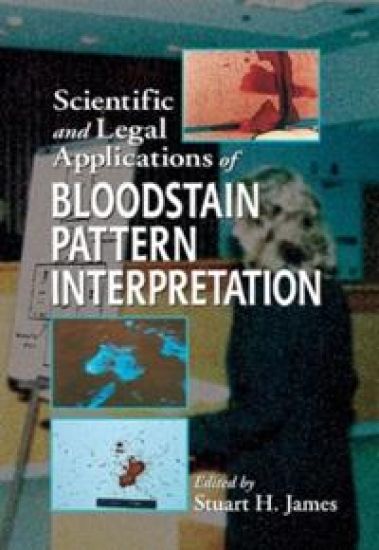
Since 1955 when Dr. Paul Kirk first presented a bloodstain evidence affidavit in State of Ohio v. Samuel Sheppard, expert testimony on bloodstain interpretation has gained wide acceptance in U.S. courts. Scientific and Legal Applications of Bloodstain Pattern Interpretation brings together some of the most respected and noted experts in forensic science, the law, and bloodstain interpretation to provide a comprehensive overview of the discipline. It discusses research, applications, and the current view of bloodstain pattern interpretation within the legal system at the trial and appellate court levels, as well as scientific approaches and developments in the field.Scientific and Legal Applications of Bloodstain Pattern Interpretation will help attorneys who are questioning and cross-examining expert witnesses have a good working knowledge of bloodstain interpretation. Included is a full-color atlas of bloodstains, in conjunction with a glossary of terms and an outline of basic laboratory experiments that are commonly used in the discipline. Among the outstanding contributions in this volume you will find:An excellent chapter by Carol Henderson discusses the legal and ethical aspects of bloodstain pattern evidence in detail. A post-conviction analysis by Marie Elena Saccoccio evaluates how bloodstain evidence can play a role in the appeal process. Misinterpretation and overinterpretation of bloodstain evidence can occur in our courts of law-be prepared to effectively analyze the evidence and the testimony with Scientific and Legal Applications of Bloodstain Pattern Interpretation.