Kirjojen hintavertailu. Mukana 12 390 323 kirjaa ja 12 kauppaa.

Kirjailija

Stuart Kirsch

Kirjat ja teokset yhdessä paikassa: 6 kirjaa, julkaisuja vuosilta 2006-2018, suosituimpien joukossa Reverse Anthropology. Vertaile teosten hintoja ja tarkista saatavuus suomalaisista kirjakaupoista.

6 kirjaa

Kirjojen julkaisuhaarukka 2006-2018.

Engaged Anthropology

Engaged Anthropology

Stuart Kirsch

University of California Press
2018
pokkari
Does anthropology have more to offer than just its texts? In this timely and remarkable book, Stuart Kirsch shows how anthropology can—and why it should—become more engaged with the problems of the world. Engaged Anthropology draws on the author’s experiences working with indigenous peoples fighting for their environment, land rights, and political sovereignty. Including both short interventions and collaborations spanning decades, it recounts interactions with lawyers and courts, nongovernmental organizations, scientific experts, and transnational corporations. This unflinchingly honest account addresses the unexamined “backstage” of engaged anthropology. Coming at a time when some question the viability of the discipline, the message of this powerful and original work is especially welcome, as it not only promotes a new way of doing anthropology, but also compellingly articulates a new rationale for why anthropology matters.

Engaged Anthropology

Engaged Anthropology

Stuart Kirsch

University of California Press
2018
sidottu
Does anthropology have more to offer than just its texts? In this timely and remarkable book, Stuart Kirsch shows how anthropology can—and why it should—become more engaged with the problems of the world. Engaged Anthropology draws on the author’s experiences working with indigenous peoples fighting for their environment, land rights, and political sovereignty. Including both short interventions and collaborations spanning decades, it recounts interactions with lawyers and courts, nongovernmental organizations, scientific experts, and transnational corporations. This unflinchingly honest account addresses the unexamined “backstage” of engaged anthropology. Coming at a time when some question the viability of the discipline, the message of this powerful and original work is especially welcome, as it not only promotes a new way of doing anthropology, but also compellingly articulates a new rationale for why anthropology matters.
Mining Capitalism

Mining Capitalism

Stuart Kirsch

University of California Press
2014
pokkari
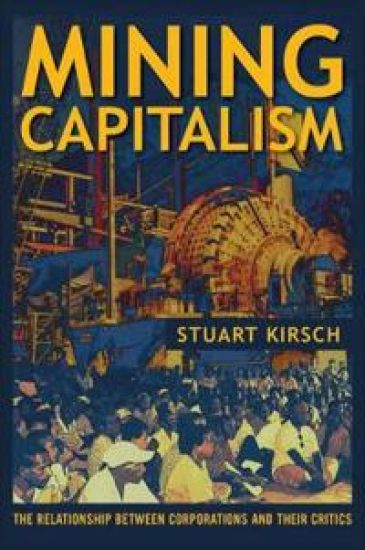
Corporations are among the most powerful institutions of our time, but they are also responsible for a wide range of harmful social and environmental impacts. Consequently, political movements and nongovernmental organizations increasingly contest the risks that corporations pose to people and nature. Mining Capitalism examines the strategies through which corporations manage their relationships with these critics and adversaries. By focusing on the conflict over the Ok Tedi copper and gold mine in Papua New Guinea, Stuart Kirsch tells the story of a slow-moving environmental disaster and the international network of indigenous peoples, advocacy groups, and lawyers that sought to protect local rivers and rain forests. Along the way, he analyzes how corporations promote their interests by manipulating science and invoking the discourses of sustainability and social responsibility. Based on two decades of anthropological research, this book is comparative in scope, showing readers how similar dynamics operate in other industries around the world.
Mining Capitalism

Mining Capitalism

Stuart Kirsch

University of California Press
2014
sidottu
Corporations are among the most powerful institutions of our time, but they are also responsible for a wide range of harmful social and environmental impacts. Consequently, political movements and nongovernmental organizations increasingly contest the risks that corporations pose to people and nature. Mining Capitalism examines the strategies through which corporations manage their relationships with these critics and adversaries. By focusing on the conflict over the Ok Tedi copper and gold mine in Papua New Guinea, Stuart Kirsch tells the story of a slow-moving environmental disaster and the international network of indigenous peoples, advocacy groups, and lawyers that sought to protect local rivers and rain forests. Along the way, he analyzes how corporations promote their interests by manipulating science and invoking the discourses of sustainability and social responsibility. Based on two decades of anthropological research, this book is comparative in scope, showing readers how similar dynamics operate in other industries around the world.
Reverse Anthropology

Reverse Anthropology

Stuart Kirsch

Stanford University Press
2006
sidottu
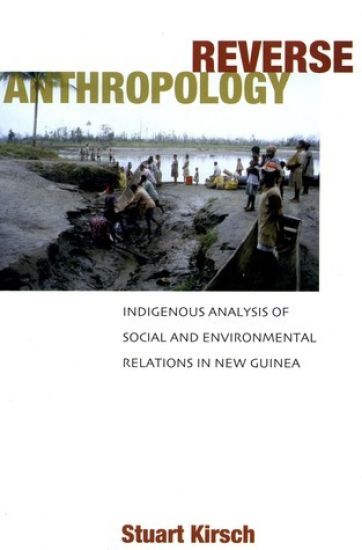
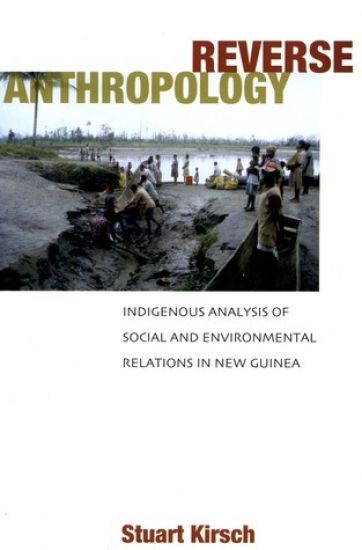
While ethnography ordinarily privileges anthropological interpretations, this book attempts the reciprocal process of describing indigenous modes of analysis. Drawing on long-term ethnographic research with the Yonggom people of New Guinea, the author examines how indigenous analysis organizes local knowledge and provides a framework for interpreting events, from first contact and colonial rule to contemporary interactions with a multinational mining company and the Indonesian state. This book highlights Yonggom participation in two political movements: an international campaign against the Ok Tedi mine, which is responsible for extensive deforestation and environmental problems, and the opposition to Indonesian control over West Papua, including Yonggom experiences as political refugees in Papua New Guinea. The author challenges a prevailing homogenization in current representations of indigenous peoples, showing how Yonggom modes of analysis specifically have shaped these political movements.
Reverse Anthropology

Reverse Anthropology

Stuart Kirsch

Stanford University Press
2006
pokkari
While ethnography ordinarily privileges anthropological interpretations, this book attempts the reciprocal process of describing indigenous modes of analysis. Drawing on long-term ethnographic research with the Yonggom people of New Guinea, the author examines how indigenous analysis organizes local knowledge and provides a framework for interpreting events, from first contact and colonial rule to contemporary interactions with a multinational mining company and the Indonesian state. This book highlights Yonggom participation in two political movements: an international campaign against the Ok Tedi mine, which is responsible for extensive deforestation and environmental problems, and the opposition to Indonesian control over West Papua, including Yonggom experiences as political refugees in Papua New Guinea. The author challenges a prevailing homogenization in current representations of indigenous peoples, showing how Yonggom modes of analysis specifically have shaped these political movements.