Kirjojen hintavertailu. Mukana 12 595 353 kirjaa ja 12 kauppaa.

Kirjailija

Sue Fletcher-Watson

Kirjat ja teokset yhdessä paikassa: 3 kirjaa, julkaisuja vuosilta 2019-2026, suosituimpien joukossa Neurodiversity. Vertaile teosten hintoja ja tarkista saatavuus suomalaisista kirjakaupoista.

3 kirjaa

Kirjojen julkaisuhaarukka 2019-2026.

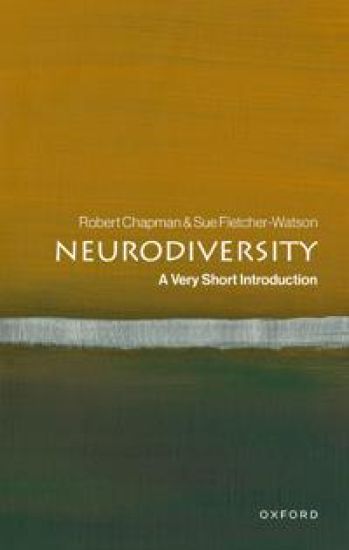
Neurodiversity

Neurodiversity

Robert Chapman; Sue Fletcher-Watson

Oxford University Press
2026
nidottu
Very Short Introductions: Brilliant, Sharp, Inspiring Neurodiversity is the idea that human brains function in a variety of ways. By understanding that people take in, process, and respond to information differently, we can appreciate how these profound differences affect the ways in which we experience the world and form relationships with one another. In spite of the central simplicity of this concept, the consequences of fully understanding and exploring neurodiversity can be transformative. This Very Short Introduction looks at how neurodiversity has been understood in a variety of settings including education, research, workplace, health and social care, and criminal justice. Robert Chapman and Sue Fletcher-Watson also draw out interesting connections to models of disability, human rights, anti-capitalism, and intersectionality. Alongside this, they discuss how issues of gender, sexuality, neuroqueering, and decoloniality bear on neurodiversity. The book is an engaging read for students, thinkers, and practitioners interested in neurodiversity and its links to philosophy, psychology, sociology, political theory, medicine, and biology. ABOUT THE SERIES: The Very Short Introductions series from Oxford University Press contains hundreds of titles in almost every subject area. These pocket-sized books are the perfect way to get ahead in a new subject quickly. Our expert authors combine facts, analysis, perspective, new ideas, and enthusiasm to make interesting and challenging topics highly readable.
Autism

Autism

Sue Fletcher-Watson; Francesca Happé

Routledge
2019
nidottu
Based on Francesca Happé’s best-selling textbook, Autism: An Introduction to Psychological Theory, this completely new edition provides a concise overview of contemporary psychological theories about autism. Fletcher-Watson and Happé explore the relationship between theories of autism at psychological (cognitive), biological and behavioural levels, and consider their clinical and educational impact. The authors summarise what is known about the biology and behavioural features of autism, and provide concise but comprehensive accounts of all influential psychological models including ‘Theory of Mind’ (ToM) models, early social development models and alternative information processing models such as ‘weak central coherence’ theory. The book also discusses more recent attempts to understand autism, including the ‘Double Empathy Problem’ and Bayesian theories. In each case, the authors describe the theory, review the evidence and provide critical analysis of its value and impact. Recognising the multiplicity of theoretical views, and rapidly changing nature of autism research, each chapter considers current debates and major questions that remain for the future.Importantly, the book includes the voices of autistic people, including parents and practitioners, who were asked to provide commentaries on each chapter, helping to contextualise theory and research evidence with accounts of real-life experience. The book embraces neurodiversity whilst recognising the real needs of autistic people and their families. Thus Autism: A New Introduction to Psychological Theory and Current Debate provides the reader with a critical overview of psychological theory but also embeds this within community perspectives, making it a relevant and progressive contribution to understanding autism, and essential reading for students and practitioners across educational, clinical and social settings.
Autism

Autism

Sue Fletcher-Watson; Francesca Happé

Routledge
2019
sidottu
Based on Francesca Happé’s best-selling textbook, Autism: An Introduction to Psychological Theory, this completely new edition provides a concise overview of contemporary psychological theories about autism. Fletcher-Watson and Happé explore the relationship between theories of autism at psychological (cognitive), biological and behavioural levels, and consider their clinical and educational impact. The authors summarise what is known about the biology and behavioural features of autism, and provide concise but comprehensive accounts of all influential psychological models including ‘Theory of Mind’ (ToM) models, early social development models and alternative information processing models such as ‘weak central coherence’ theory. The book also discusses more recent attempts to understand autism, including the ‘Double Empathy Problem’ and Bayesian theories. In each case, the authors describe the theory, review the evidence and provide critical analysis of its value and impact. Recognising the multiplicity of theoretical views, and rapidly changing nature of autism research, each chapter considers current debates and major questions that remain for the future.Importantly, the book includes the voices of autistic people, including parents and practitioners, who were asked to provide commentaries on each chapter, helping to contextualise theory and research evidence with accounts of real-life experience. The book embraces neurodiversity whilst recognising the real needs of autistic people and their families. Thus Autism: A New Introduction to Psychological Theory and Current Debate provides the reader with a critical overview of psychological theory but also embeds this within community perspectives, making it a relevant and progressive contribution to understanding autism, and essential reading for students and practitioners across educational, clinical and social settings.