Kirjojen hintavertailu. Mukana 12 595 353 kirjaa ja 12 kauppaa.

Kirjailija

Sue Stolton

Kirjat ja teokset yhdessä paikassa: 7 kirjaa, julkaisuja vuosilta 1999-2020, suosituimpien joukossa Organic Cotton. Vertaile teosten hintoja ja tarkista saatavuus suomalaisista kirjakaupoista.

7 kirjaa

Kirjojen julkaisuhaarukka 1999-2020.

Leaving Space for Nature

Leaving Space for Nature

Nigel Dudley; Sue Stolton

Routledge
2020
nidottu
This book provides the first contemporary assessment of area-based conservation and its implications for nature and society.Now covering 15 per cent of the land surface and a growing area of ocean, the creation of protected areas is one of the fastest conscious changes in land management in history. But this has come at a cost, including a backlash from human rights organisations about the social impacts of protected areas. At the same time, a range of new types of area-based conservation has emerged, based on indigenous people’s territories, local community lands and a new designation of “other effective area-based conservation measures”. This book provides a concise overview of the status and possible futures of area-based conservation. With many people calling for half the earth’s land surface to remain in a natural condition, this book taps into the urgent debate about the feasibility of such an aim and the ways in which such land might be managed. It provides a timely contribution by people who have been at the centre of the debate for the last twenty years. Building on the authors’ large personal knowledge, the book draws on global case studies where the authors have firsthand experience, including Yosemite National Park (USA), Blue Mountains National Park (Australia), Bwindi National Park (Uganda), Chingaza National Park (Colombia), Ustyart Plateau (Kazakhstan), Snowdonia National Park (Wales) and many more.This book is essential reading for students, academics and practitioners interested in conservation and its impact on society.
Leaving Space for Nature

Leaving Space for Nature

Nigel Dudley; Sue Stolton

Routledge
2020
sidottu
This book provides the first contemporary assessment of area-based conservation and its implications for nature and society.Now covering 15 per cent of the land surface and a growing area of ocean, the creation of protected areas is one of the fastest conscious changes in land management in history. But this has come at a cost, including a backlash from human rights organisations about the social impacts of protected areas. At the same time, a range of new types of area-based conservation has emerged, based on indigenous people’s territories, local community lands and a new designation of “other effective area-based conservation measures”. This book provides a concise overview of the status and possible futures of area-based conservation. With many people calling for half the earth’s land surface to remain in a natural condition, this book taps into the urgent debate about the feasibility of such an aim and the ways in which such land might be managed. It provides a timely contribution by people who have been at the centre of the debate for the last twenty years. Building on the authors’ large personal knowledge, the book draws on global case studies where the authors have firsthand experience, including Yosemite National Park (USA), Blue Mountains National Park (Australia), Bwindi National Park (Uganda), Chingaza National Park (Colombia), Ustyart Plateau (Kazakhstan), Snowdonia National Park (Wales) and many more.This book is essential reading for students, academics and practitioners interested in conservation and its impact on society.
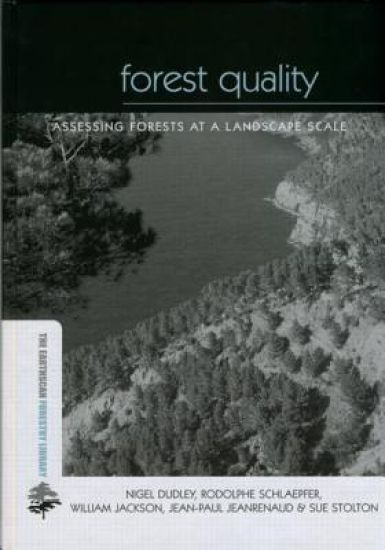
Forest Quality

Forest Quality

Nigel Dudley; Rodolphe Schlaepfer; William Jackson; Jean-Paul Jeanrenaud; Sue Stolton

Routledge
2016
nidottu
Deforestation is frequently a topic of discussion in the environmental arena, but it is not just the number of trees that matters; the quality of the forest is also important. Even where the forest area is stable or increasing, there are often rapid changes in its character. Natural forests are being replaced by plantations or by intensively managed forests. Around the world, forests are becoming younger and less diverse, in both species and structure; this has important impacts for biodiversity and also affects many human values. In this groundbreaking text, forest quality is discussed as a useful new concept in forest conservation and management. Three main assessment criteria are used: authenticity; environmental benefits; and social and economic benefits. The book describes a methodology and protocol for collecting and analysing data, and outlines in detail the approach required with each indicator. The authors advocate a landscape approach to assessment and demonstrate how assessment works through a series of case studies that show how this approach can be used in many ways to help forest conservation management. This hands-on manual is for professionals involved in forestry, conservation and resource management worldwide, and contains case study material from Europe, Asia, Africa and Latin America that demonstrates practical uses of the new 'landscape' approach to forest conservation. Published with IUCN and WWF
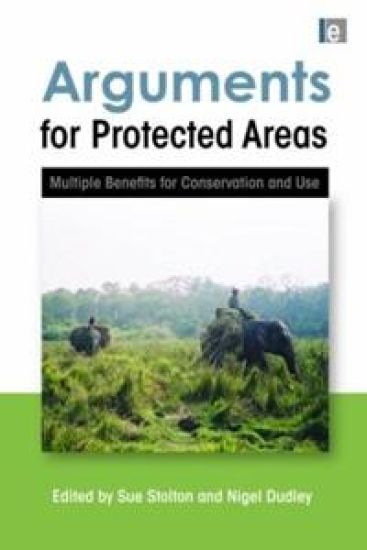
Arguments for Protected Areas

Arguments for Protected Areas

Nigel Dudley; Sue Stolton

Earthscan Ltd
2010
sidottu
Most protected areas (e.g.national parks and nature reserves) have been created to protect wildlife and land- and seascape values. They currently cover over 13% of the world's land surface, around 12% of marine coastal areas and 4% of the marine shelf. Retaining and expanding these areas in the future will depend on showing their wider benefits for society. This book provides a concise and persuasive overview of the values of protected areas. Contributing authors from over fifty countries examine a wide range of values that are maintained in protected areas, including food, water and materials; health; tourism; cultural and spiritual values; and buffering capacity against climate change and natural disasters. The book also considers the role of protected areas in poverty reduction strategies, their relationship with traditional and indigenous people and in fostering conflict resolution through peace parks initiatives. The chapters draw on a series of authoritative reports published by WWF over recent years under the 'Arguments for Protection' banner, in association with various partners, and on additional research carried out especially for the volume. It analyses the opportunities and limitations of protected areas for supplying the various values along with practical advice for planners and managers about maximising benefits. It provides an important contribution to the debate about the role of protected areas in conservation and other aspects of natural resource management and human livelihoods. Published with WWF
Arguments for Protected Areas

Arguments for Protected Areas

Nigel Dudley; Sue Stolton

Earthscan Ltd
2010
nidottu
Most protected areas (e.g.national parks and nature reserves) have been created to protect wildlife and land- and seascape values. They currently cover over 13% of the world's land surface, around 12% of marine coastal areas and 4% of the marine shelf. Retaining and expanding these areas in the future will depend on showing their wider benefits for society. This book provides a concise and persuasive overview of the values of protected areas. Contributing authors from over fifty countries examine a wide range of values that are maintained in protected areas, including food, water and materials; health; tourism; cultural and spiritual values; and buffering capacity against climate change and natural disasters. The book also considers the role of protected areas in poverty reduction strategies, their relationship with traditional and indigenous people and in fostering conflict resolution through peace parks initiatives. The chapters draw on a series of authoritative reports published by WWF over recent years under the 'Arguments for Protection' banner, in association with various partners, and on additional research carried out especially for the volume. It analyses the opportunities and limitations of protected areas for supplying the various values along with practical advice for planners and managers about maximising benefits. It provides an important contribution to the debate about the role of protected areas in conservation and other aspects of natural resource management and human livelihoods. Published with WWF
Forest Quality

Forest Quality

Nigel Dudley; Rodolphe Schlaepfer; William Jackson; Jean-Paul Jeanrenaud; Sue Stolton

Earthscan Ltd
2006
sidottu
Deforestation is frequently a topic of discussion in the environmental arena, but it is not just the number of trees that matters; the quality of the forest is also important. Even where the forest area is stable or increasing, there are often rapid changes in its character. Natural forests are being replaced by plantations or by intensively managed forests. Around the world, forests are becoming younger and less diverse, in both species and structure; this has important impacts for biodiversity and also affects many human values. In this groundbreaking text, forest quality is discussed as a useful new concept in forest conservation and management. Three main assessment criteria are used: authenticity; environmental benefits; and social and economic benefits. The book describes a methodology and protocol for collecting and analysing data, and outlines in detail the approach required with each indicator. The authors advocate a landscape approach to assessment and demonstrate how assessment works through a series of case studies that show how this approach can be used in many ways to help forest conservation management. This hands-on manual is for professionals involved in forestry, conservation and resource management worldwide, and contains case study material from Europe, Asia, Africa and Latin America that demonstrates practical uses of the new 'landscape' approach to forest conservation. Published with IUCN and WWF
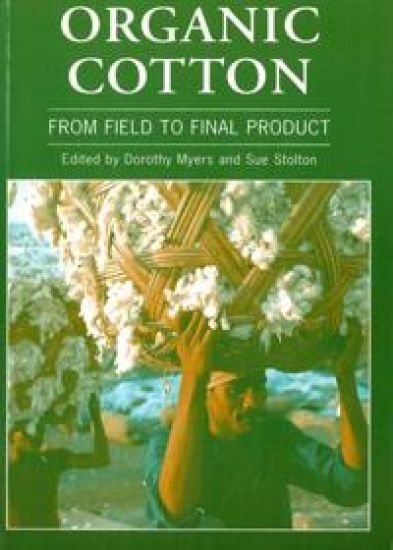
Organic Cotton

Organic Cotton

Dorothy Myers; Sue Stolton

Practical Action Publishing
1999
nidottu
Commercial organic cotton production is a new area of activity, and research and analysis is still at an early stage, but what written material exists is presented here with material commissioned specifically for this book. It is organized according to the stages in the 'cotton chain', from farmer to consumer, and covers each topic authoritatively with contributions from over 50 people in 20 countries. Illustrative case study material is particularly important and most of the current organic cotton projects worldwide are discussed. Policy makers, journalists, farmers' organizations, environmentalists, agronomists, those involved in commerce and industry, and informed consumers will find much here of interest.