Kirjojen hintavertailu. Mukana 12 390 323 kirjaa ja 12 kauppaa.
Kirjailija
Sunita Tandulwadkar
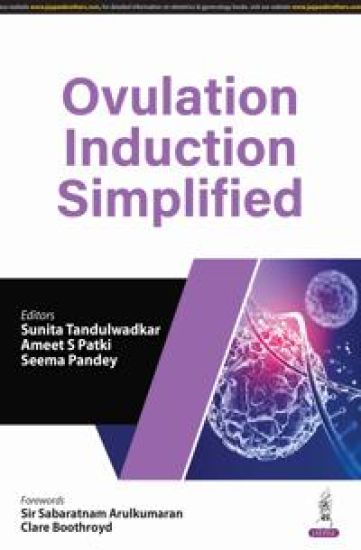
Kirjat ja teokset yhdessä paikassa: 14 kirjaa, julkaisuja vuosilta 2010-2024, suosituimpien joukossa Ovulation Induction Simplified. Vertaile teosten hintoja ja tarkista saatavuus suomalaisista kirjakaupoista.
Written in association with the Federation of Obstetric and Gynaecological Societies of India (FOGSI), and with contributions from a multitude of recognised experts led by FOGSI (2025-2026) president Sunita Tandulwadkar; the Ethical Evidence-based Recommendations (EEBR) series provides clinicians with the latest updates and advances in the field, with each book focusing on a different subspecialty. As genetics becomes a more integral part of routine medical practice, it is essential that obstetricians, gynaecologists and other health care providers are aware of advances in the understanding of genetic disease and the fundamental principles of genetic screening and molecular testing. Prenatal genetic screenings and diagnostic tests provide information about the health of a foetus. It can help families and healthcare providers make decisions about a pregnancy or the foetus. Genetic tests check for congenital conditions like Down syndrome, trisomy 13 and spina bifida. The EEBRs in this book begin with an explanation of conventional genetics and cytogenomics, followed by the basics of pedigree charting which diagrams the inheritance of a trait or health condition through generations of a family. The text goes on to discuss screening and testing, and a variety of common genetic disorders. The book concludes with a section on recent advances and research in the field. Other titles in the series include: Antenatal Fetal SurveillanceEndometriosisFibroidsHyperglycemia in PregnancyHypertensive Disorders of PregnancyInduction of LaborPolycystic Ovary SyndromePostpartum HemorrhagePreterm Labor
Written in association with the Federation of Obstetric and Gynaecological Societies of India (FOGSI), and with contributions from a multitude of recognised experts led by FOGSI (2025-2026) president Sunita Tandulwadkar; the Ethical Evidence-based Recommendations (EEBR) series provides clinicians with the latest updates and advances in the field, with each book focusing on a different subspecialty. Induction of labour is the commencement of labour artificially. It is a critical component of obstetric care, aiming to safeguard maternal and neonatal health under specific clinical circumstances. Over recent years, a growing body of evidence has sought to guide practitioners in making informed decisions regarding the timing, methods and indications for induction, balancing the benefits of intervention against the potential risks. This book presents an ethical and evidence-based approach to induction of labour, providing insights drawn from the latest clinical guidelines and research. The reviews addresses key clinical questions, offering practical recommendations based on close analysis of available data. Other titles in the series include: Antenatal Fetal SurveillanceEndometriosisFibroidsGenetics in Obstetrics and GynaecologyHyperglycemia in PregnancyHypertensive Disorders of PregnancyPolycystic Ovary SyndromePostpartum HemorrhagePreterm Labor
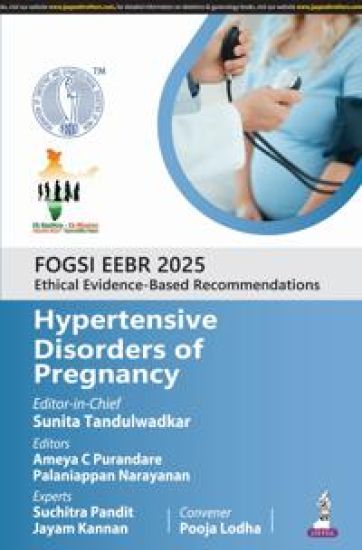
Written in association with the Federation of Obstetric and Gynaecological Societies of India (FOGSI), and with contributions from a multitude of recognised experts led by FOGSI (2025-2026) president Sunita Tandulwadkar; the Ethical Evidence-based Recommendations (EEBR) series provides clinicians with the latest updates and advances in the field, with each book focusing on a different subspecialty. Hypertension, or high blood pressure, is when the force of blood pushing against the artery walls is consistently too high. This damages arteries and can lead to serious complications such as heart attack and stroke. Hypertension during pregnancy carries potential risks to both mother and baby, including reduction of blood flow to the placenta, pre-eclampsia, and prematurity; and therefore requires close antenatal monitoring. This book examines the diagnosis and management of hypertension in pregnancy, beginning with essential definitions, terminology, classifications, epidemiology and risk factors. The following chapters provide in depth coverage of pre-eclampsia, explaining its diagnosis, management, associated conditions, and potential complications. Other titles in the series include: Antenatal Fetal SurveillanceEndometriosisFibroidsGenetics in Obstetrics and GynecologyHyperglycaemia in PregnancyInduction of LaborPolycystic Ovary SyndromePostpartum HemorrhagePreterm Labor
Written in association with the Federation of Obstetric and Gynaecological Societies of India (FOGSI), and with contributions from a multitude of recognised experts led by FOGSI (2025-2026) president Sunita Tandulwadkar; the Ethical Evidence-based Recommendations (EEBR) series provides clinicians with the latest updates and advances in the field, with each book focusing on a different subspecialty. Uterine fibroids are growths made of muscle and tissue that form in or on the wall of the uterus. They are usually benign and are the most common noncancerous tumour in females. Fibroids can cause a variety of symptoms including pain and heavy irregular bleeding. Some women have no symptoms and are unaware that they have the condition. The EEBRs in this book begin with detail on the origins, aetiology, pathophysiology, and risk factors associated with fibroids, providing practitioners with a fundamental understanding of hormonal, genetic and environmental influences. The text examines clinical presentation and locations of fibroids, atypical fibroids, and degeneration patterns, helping clinicians recognise and manage the diversities of the condition effectively. Other titles in the series include: Antenatal Fetal SurveillanceEndometriosisGenetics in Obstetrics and GynecologyHyperglycemia in PregnancyHypertensive Disorders of PregnancyInduction of LaborPolycystic Ovary SyndromePostpartum HemorrhagePreterm Labor
Written in association with the Federation of Obstetric and Gynaecological Societies of India (FOGSI), and with contributions from a multitude of recognised experts led by FOGSI (2025-2026) president Sunita Tandulwadkar; the Ethical Evidence-based Recommendations (EEBR) series provides clinicians with the latest updates and advances in the field, with each book focusing on a different subspecialty. Preterm labour happens when regular contractions cause the cervix to open after week 20 and before week 37 of pregnancy. Preterm labour can result in a baby being born before 37 weeks of pregnancy – the earlier the delivery, the greater the health risks for the baby. Many premature babies need special care in a neonatal intensive care unit. They can also have long-term physical and mental health concerns. This book provides clinicians with a comprehensive guide to the management of preterm labour, integrating the latest evidence with the ethical frameworks necessary for informed decision-making. The text begins with a thorough review of the pathophysiology and risk factors associated with preterm labour. The following chapters examine the various intervention options available for its management. Other titles in the series include: Antenatal Fetal SurveillanceEndometriosisFibroidsGenetics in Obstetrics and GynaecologyHyperglycemia in PregnancyHypertensive Disorders of PregnancyInduction of LabourPolycystic Ovary SyndromePostpartum Haemorrhage
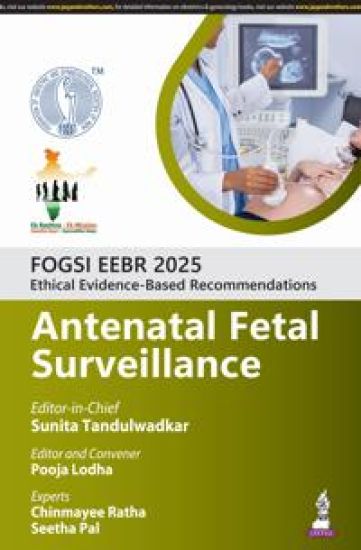
Written in association with the Federation of Obstetric and Gynaecological Societies of India (FOGSI), and with contributions from a multitude of recognised experts led by FOGSI (2025-2026) president Sunita Tandulwadkar; the Ethical Evidence-based Recommendations (EEBR) series provides clinicians with the latest updates and advances in the field, with each book focusing on a different subspecialty. Foetal surveillance is a crucial element in antenatal care, especially in high-risk pregnancies. The EEBRs in this book begin with the evaluation and monitoring of amniotic fluid, one of the key indicators of foetal well-being. Subsequent sections examine surveillance strategies for high-risk pregnancies, such as in morbidly obese women, and those with hyperglycaemia. A complete chapter is dedicated to antenatal surveillance in dichorionic diamniotic (DCDA) twins (a type of twin pregnancy where each twin has its own chorionic and amniotic sacs); where foetal monitoring needs are often more complex. Other titles in the series include: EndometriosisFibroidsGenetics in Obstetrics and GynecologyHyperglycemia in PregnancyHypertensive Disorders of PregnancyInduction of LaborPolycystic Ovary SyndromePostpartum HemorrhagePreterm Labor
Written in association with the Federation of Obstetric and Gynaecological Societies of India (FOGSI), and with contributions from a multitude of recognised experts led by FOGSI (2025-2026) president Sunita Tandulwadkar; the Ethical Evidence-based Recommendations (EEBR) series provides clinicians with the latest updates and advances in the field, with each book focusing on a different subspecialty. Endometriosis is a condition where tissue similar to the lining of the uterus grows on other parts of the body. It can cause painful symptoms that can impact not only the menstrual cycle, but also daily life. Some women with endometriosis have difficulty getting pregnant due to scarring and fallopian tube blockage as well. It is a complex condition affecting women across all life stages, each with unique manifestations and management requirements. This book begins with foundational recommendations on diagnosis, providing practitioners with insights to accurately identify the condition. Then, recognising age-specific needs, the text addresses management in adolescents focusing on early intervention, and in reproductive-age women, where emphasis is on managing endometriosis-associated pain and infertility. Symptom management is a key focus of this book, with both pharmacological and non-pharmacological options considered. Other titles in the series include: Antenatal Fetal SurveillanceFibroidsGenetics in Obstetrics and GynecologyHyperglycemia in PregnancyHypertensive Disorders of PregnancyInduction of LaborPolycystic Ovary SyndromePostpartum HemorrhagePreterm Labor
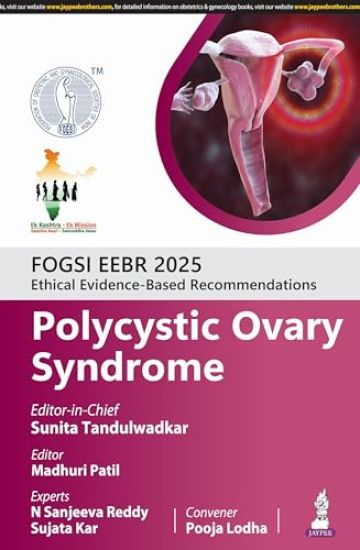
Written in association with the Federation of Obstetric and Gynaecological Societies of India (FOGSI), and with contributions from a multitude of recognised experts led by FOGSI (2025-2026) president Sunita Tandulwadkar; the Ethical Evidence-based Recommendations (EEBR) series provides clinicians with the latest updates and advances in the field, with each book focusing on a different subspecialty. Polycystic Ovary Syndrome (PCOS) is a common condition that affects how a woman’s ovaries function. The exact cause of PCOS is unknown, but it is related to abnormal hormone levels in the body, including high levels of insulin. There is no cure for PCOS but it can be controlled with medication and lifestyle management. This book provides a comprehensive review of PCOS, covering a broad spectrum of topics, from prevalence and diagnosis, to screening and mental health, to various management techniques. The authors provide expert insights on diet, exercise, pharmacotherapy, associated fertility issues, and advanced interventions such as bariatric surgery and sleep management. Other titles in the series include: Antenatal Fetal SurveillanceEndometriosisFibroidsGenetics in Obstetrics and GynaecologyHyperglycemia in PregnancyHypertensive Disorders of PregnancyInduction of LabourPostpartum HemorrhagePreterm Labor
Written in association with the Federation of Obstetric and Gynaecological Societies of India (FOGSI), and with contributions from a multitude of recognised experts led by FOGSI (2025-2026) president Sunita Tandulwadkar; the Ethical Evidence-based Recommendations (EEBR) series provides clinicians with the latest updates and advances in the field, with each book focusing on a different subspecialty. Postpartum haemorrhage (PPH) is severe or excessive bleeding after childbirth. It is a serious and potentially life threatening condition and may occur soon after delivery, or up to 12 weeks postpartum. PPH remains one of the most significant challenges in obstetrics. Early detection and prompt treatment are crucial for full recovery. The EEBRs in this book begin with an explanation of definitions and terminologies, followed by discussion on risk identification. The text outlines protocols to help detect women at higher risk of PPH, allowing pre-emptive measures to be put in place. The review then addresses preventive and medical management strategies, including pharmaceutical options for controlling haemorrhage; and haemo-resuscitation guidelines ensuring practitioners can respond swiftly to blood loss with life-saving interventions. Other titles in the series include: Antenatal Fetal SurveillanceEndometriosisFibroidsGenetics in Obstetrics and GynaecologyHyperglycemia in PregnancyHypertensive Disorders of PregnancyInduction of LabourPolycystic Ovary SyndromePreterm Labor
Written in association with the Federation of Obstetric and Gynaecological Societies of India (FOGSI), and with contributions from a multitude of recognised experts led by FOGSI (2025-2026) president Sunita Tandulwadkar; the Ethical Evidence-based Recommendations (EEBR) series provides clinicians with the latest updates and advances in the field, with each book focusing on a different subspecialty. Hyperglycaemia (high blood sugar) occurs when the level of sugar in the blood is too high. Gestational diabetes is high blood sugar that develops during pregnancy and usually disappears after birth. It can happen at any stage of pregnancy, but is more common in the second or third trimester. It occurs when a woman’s body cannot produce enough insulin, the hormone which controls blood sugar levels. The condition can cause problems for both mother and baby, but the risks can be reduced if it is detected early and well managed. This book addresses all aspects of hyperglycaemia in pregnancy (HIP), beginning with essential definitions, classification, and epidemiology, clarifying the scope and significance of HIP and providing practitioners with a clear understanding of its prevalence and implications for maternal and foetal health. Recognising the importance of effective management, the text also examines pre-conceptional optimisation, an often overlooked, but vital step to ensure a healthier pregnancy by stabilising blood sugar levels prior to conception. Other titles in the series include: Antenatal Fetal SurveillanceEndometriosisFibroidsGenetics in Obstetrics and GynecologyHypertensive Disorders of PregnancyInduction of LaborPolycystic Ovary SyndromePostpartum HemorrhagePreterm Labor
Intrauterine insemination (IUI), also known as artificial insemination, is a fertility treatment that uses a catheter to place washed sperm directly into the uterus. Its aim is to increase the number of sperm reaching the fallopian tubes and subsequently increase the chances of fertilisation (American Pregnancy Association). This book is a comprehensive guide to the planning and process of intrauterine insemination. Eleven sections cover basics, investigations, ultrasonography, ovulation induction protocols, ovulation trigger, techniques, luteal phase support, analysis of results, and IUI in special situations such as subfertility, endometriosis, HIV, and unexplained infertility. This second edition has been fully revised to provide the latest advances in technologies and techniques. A complete section is dedicated to recent updates in the field, covering artificial intelligence and IUI, and IUI guidelines. The book concludes with Frequently Asked Questions to assist learning and understanding. The previous edition (9788184489194) published in 2010.