Kirjojen hintavertailu. Mukana 12 390 323 kirjaa ja 12 kauppaa.

Kirjailija

Susan Fisher

Kirjat ja teokset yhdessä paikassa: 10 kirjaa, julkaisuja vuosilta 1986-2025, suosituimpien joukossa Bad Eye. Vertaile teosten hintoja ja tarkista saatavuus suomalaisista kirjakaupoista.

10 kirjaa

Kirjojen julkaisuhaarukka 1986-2025.

Unforgettable

Unforgettable

Virginia Treanor; Frederica Dam; Manfred Sellink; Susan Fisher

Hannibal Books
2025
sidottu
The catalogue spotlights the overlooked contributions of female artists in the 17th-century Low Countries. While renowned male artists like Rembrandt and Vermeer have long dominated art history, female artists such as Clara Peeters and Michaelina Wautier have received limited recognition. This book challenges the notion that women were exceptions in the art world, showcasing works by over 40 artists across diverse media, including painting, sculpture, embroidery, and glass etching. It also highlights the socio-economic contexts that shaped their careers, exploring themes of identity, ambition, social expectations, and artistic networks. By reevaluating the hierarchy between "fine" and "applied" arts, the book underscores the significant role women played in the artistic economy. Through a thematic approach, Unforgettable aims to restore long-overdue recognition to these artists. Featuring works by: Maria Monincx, Johanna Koerten, Anna Maria De Koker, Maria Verelst, Maria De Grebber, Maria Strick, Elisabeth Rijberg, Josina Margareta Weenix, Anna Maria Janssens Cornelia Van Der Mijn e.a.

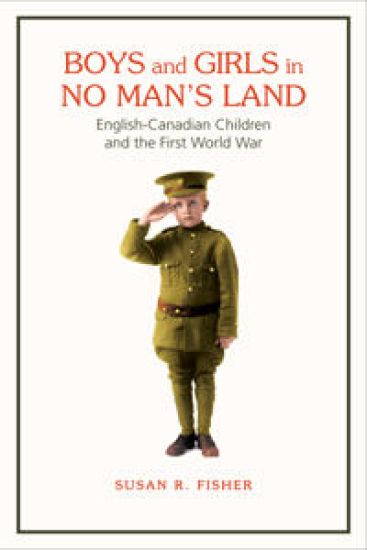
Boys and Girls in No Man's Land

Boys and Girls in No Man's Land

Susan Fisher

University of Toronto Press
2011
sidottu
Boys and Girls in No Man's Land examines how the First World War entered the lives and imaginations of Canadian children. Drawing on educational materials, textbooks, adventure tales, plays, and Sunday-school papers, this study explores the role of children in the nation's war effort. Susan R. Fisher also considers how the representation of the war has changed in Canadian children's literature. During the war, the conflict was invariably presented as noble and thrilling, but recent Canadian children's books paint a very different picture. What once was regarded a morally uplifting struggle, rich in lessons of service and sacrifice, is now presented as pointless slaughter. This shift in tone and content reveals profound changes in Canadian attitudes not only towards the First World War but also towards patriotism, duty, and the shaping of the moral citizen.
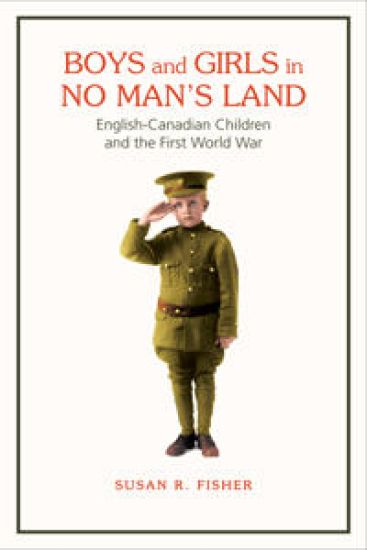
Boys and Girls in No Man's Land

Boys and Girls in No Man's Land

Susan Fisher

University of Toronto Press
2011
pokkari
Boys and Girls in No Man's Land examines how the First World War entered the lives and imaginations of Canadian children. Drawing on educational materials, textbooks, adventure tales, plays, and Sunday-school papers, this study explores the role of children in the nation's war effort. Susan R. Fisher also considers how the representation of the war has changed in Canadian children's literature. During the war, the conflict was invariably presented as noble and thrilling, but recent Canadian children's books paint a very different picture. What once was regarded a morally uplifting struggle, rich in lessons of service and sacrifice, is now presented as pointless slaughter. This shift in tone and content reveals profound changes in Canadian attitudes not only towards the First World War but also towards patriotism, duty, and the shaping of the moral citizen.
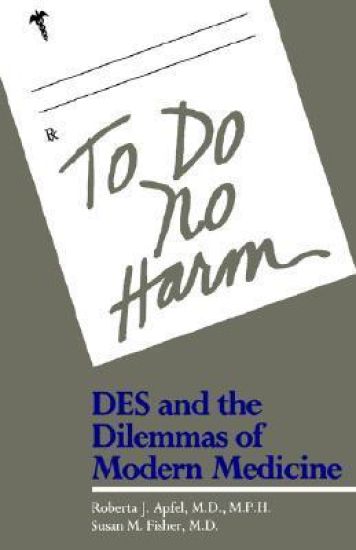
To Do No Harm

To Do No Harm

Roberta Apfel; Susan Fisher

Yale University Press
1986
pokkari
“Apfel and Fisher raise important questions about the explosion of modern medical technology. They vividly delineate the factors contributing to experimentation with new techniques and drugs and how the pressures experienced by physicians, coupled with their fantasies of heroism, meld with pressures from their patients to tempt them to take risks prematurely…. The volume is provocative and effective. It should be read by all who take part in the health care system, patients and their caretakers.” –Carol Nadelson, M.D., Journal of the American Medical Association