Kirjojen hintavertailu. Mukana 12 366 680 kirjaa ja 12 kauppaa.

Kirjailija

Susan Hogan

Kirjat ja teokset yhdessä paikassa: 9 kirjaa, julkaisuja vuosilta 2001-2026, suosituimpien joukossa Art Therapy Theories. Vertaile teosten hintoja ja tarkista saatavuus suomalaisista kirjakaupoista.

9 kirjaa

Kirjojen julkaisuhaarukka 2001-2026.

Art Therapy Theories

Art Therapy Theories

Susan Hogan

TAYLOR FRANCIS LTD
2026
sidottu
Art therapists work with a range of distinct philosophical and theoretical underpinnings, but prior to the first edition there had been no single book to offer an overview of these theories. Art Therapy Theories provides an introductory, non-partisan overview of art therapy theories outlining the following therapy approaches: Cognitive Behavioural Art Therapy Solution-Focused Brief Therapy Psychoanalytical (Freudian) Art Therapy Analytical (Jungian) Art Therapy Gestalt Art Therapy Person-Centred or ‘Rogerian’ Art Therapy Mindfulness Art Therapy Group-Interactive Art Therapy Feminist Art Therapy Art Therapy as Social Action Reflective Art Therapy Practice, Reflexivity and Arts-Based Supervision Art Therapy as a Research Tool Intersectional Art Therapy Narrative Art Therapy. The Power Threat Meaning Framework (PTMF) Whole Systems Art Therapy Each chapter provides a non-judgemental, yet analytical, synopsis of each approach. No detailed knowledge is necessary to understand the different approaches, as the book explains them in clear and concise English. Difficult terms and concepts are explained as they arise, and a glossary of terms is also provided. Art Therapy Theories is aimed at trainee art therapists who need to demonstrate that they have a grasp of theory, as well as a sense of how the theory can translate into practice. It will also appeal to seasoned therapists, counsellors and to a wide range of professionals in the mental health field.
Art Therapy Theories

Art Therapy Theories

Susan Hogan

TAYLOR FRANCIS LTD
2026
nidottu
Art therapists work with a range of distinct philosophical and theoretical underpinnings, but prior to the first edition there had been no single book to offer an overview of these theories. Art Therapy Theories provides an introductory, non-partisan overview of art therapy theories outlining the following therapy approaches: Cognitive Behavioural Art Therapy Solution-Focused Brief Therapy Psychoanalytical (Freudian) Art Therapy Analytical (Jungian) Art Therapy Gestalt Art Therapy Person-Centred or ‘Rogerian’ Art Therapy Mindfulness Art Therapy Group-Interactive Art Therapy Feminist Art Therapy Art Therapy as Social Action Reflective Art Therapy Practice, Reflexivity and Arts-Based Supervision Art Therapy as a Research Tool Intersectional Art Therapy Narrative Art Therapy. The Power Threat Meaning Framework (PTMF) Whole Systems Art Therapy Each chapter provides a non-judgemental, yet analytical, synopsis of each approach. No detailed knowledge is necessary to understand the different approaches, as the book explains them in clear and concise English. Difficult terms and concepts are explained as they arise, and a glossary of terms is also provided. Art Therapy Theories is aimed at trainee art therapists who need to demonstrate that they have a grasp of theory, as well as a sense of how the theory can translate into practice. It will also appeal to seasoned therapists, counsellors and to a wide range of professionals in the mental health field.
Photography

Photography

Susan Hogan

Emerald Publishing Limited
2022
nidottu
Photography is ubiquitous. The visual image is the predominant form of communication. Arguably it is a very democratic medium, since billions of people all over the planet take photographs on their phones, and digital storage means that expensive printing is not necessary and therefore the practice is not prohibitive. Photography is important to political and social movements and connects people in emotionally meaningful relationships. This book explores the myriad ways in which photographs can be used: to document events, places or things; to consolidate personal identity; to pose a challenge to an idea or regime; to animate the inanimate (in other words, to breathe life into objects); to capture the fleeting and transitory; to create stories; to reveal what may be taken for granted, including seeing social practices; to enhance our perception and allow us to notice previously unnoticed details; to consolidate relationships; to represent the overlooked or marginalised; to commemorate; to authenticate; to tantalise. All these modes of photography have different possibilities, different intentions and different effects.
Art Therapy Theories

Art Therapy Theories

Susan Hogan

Routledge
2015
sidottu
Art therapists work with a range of distinct philosophical and theoretical underpinnings, but as yet there has been no single book to offer an overview of these theories. Art Therapy Theories provides an introductory, non-partisan overview of art therapy theories outlining the following therapy approaches: Cognitive Behavioural Art TherapySolution-Focused Brief TherapyPsychoanalytical (Freudian) Art TherapyAnalytical (Jungian) Art TherapyGestalt Art TherapyPerson-Centred or ‘Rogerian’ Art TherapyMindfulness Art Therapy Integrative Art Therapy (the Group-Interactive Model)Feminist Art Therapy Art Therapy as Social ActionArt Therapy as a Research ToolEach chapter provides a non-judgemental, yet analytical, synopsis of each approach. No detailed knowledge is necessary to understand the different approaches, as the book explains them in clear and concise English. Difficult terms and concepts are explained as they arise, and a glossary of terms is also provided. Art Therapy Theories is aimed at trainee art therapists who need to demonstrate that they have a grasp of theory, as well as a sense of how the theory can translate into practice. It will also appeal to seasoned therapists, counsellors and to a wide range of professionals in the mental health field.

Art Therapy Theories

Art Therapy Theories

Susan Hogan

Routledge
2015
nidottu
Art therapists work with a range of distinct philosophical and theoretical underpinnings, but as yet there has been no single book to offer an overview of these theories. Art Therapy Theories provides an introductory, non-partisan overview of art therapy theories outlining the following therapy approaches: Cognitive Behavioural Art TherapySolution-Focused Brief TherapyPsychoanalytical (Freudian) Art TherapyAnalytical (Jungian) Art TherapyGestalt Art TherapyPerson-Centred or ‘Rogerian’ Art TherapyMindfulness Art Therapy Integrative Art Therapy (the Group-Interactive Model)Feminist Art Therapy Art Therapy as Social ActionArt Therapy as a Research ToolEach chapter provides a non-judgemental, yet analytical, synopsis of each approach. No detailed knowledge is necessary to understand the different approaches, as the book explains them in clear and concise English. Difficult terms and concepts are explained as they arise, and a glossary of terms is also provided. Art Therapy Theories is aimed at trainee art therapists who need to demonstrate that they have a grasp of theory, as well as a sense of how the theory can translate into practice. It will also appeal to seasoned therapists, counsellors and to a wide range of professionals in the mental health field.
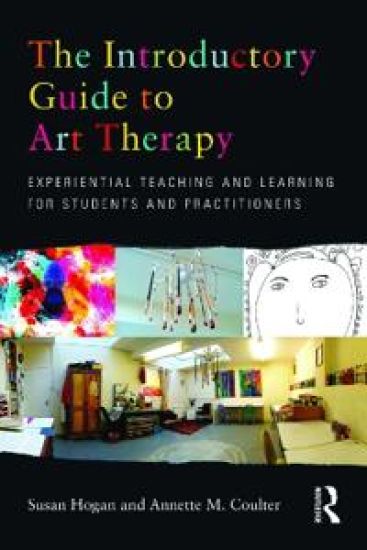
The Introductory Guide to Art Therapy

The Introductory Guide to Art Therapy

Susan Hogan; Annette M. Coulter

Routledge
2014
sidottu
The Introductory Guide to Art Therapy provides a comprehensive and accessible text for art therapy trainees. Susan Hogan and Annette M. Coulter here use their combined clinical experience to present theories, philosophies and methods of working clearly and effectively. The authors cover multiple aspects of art therapy in this overview of practice, from working with children, couples, families and offenders to the role of supervision and the effective use of space. The book addresses work with diverse groups and includes a glossary of key terms, ensuring that complex terminology and theories are clear and easy to follow. Professional and ethical issues are explored from an international perspective and careful attention is paid to the explanation and definition of key terms and concepts. Accessibly written and free from jargon, Hogan and Coulter provide a detailed overview of the benefits and possibilities of art therapy.This book will be an indispensable introductory guide for prospective students, art therapy trainees, teachers, would-be teachers and therapy practitioners. The text will also be of interest to counsellors and other allied health professionals who are interested in the use of visual methods.
The Introductory Guide to Art Therapy

The Introductory Guide to Art Therapy

Susan Hogan; Annette M. Coulter

Routledge
2014
nidottu
The Introductory Guide to Art Therapy provides a comprehensive and accessible text for art therapy trainees. Susan Hogan and Annette M. Coulter here use their combined clinical experience to present theories, philosophies and methods of working clearly and effectively. The authors cover multiple aspects of art therapy in this overview of practice, from working with children, couples, families and offenders to the role of supervision and the effective use of space. The book addresses work with diverse groups and includes a glossary of key terms, ensuring that complex terminology and theories are clear and easy to follow. Professional and ethical issues are explored from an international perspective and careful attention is paid to the explanation and definition of key terms and concepts. Accessibly written and free from jargon, Hogan and Coulter provide a detailed overview of the benefits and possibilities of art therapy.This book will be an indispensable introductory guide for prospective students, art therapy trainees, teachers, would-be teachers and therapy practitioners. The text will also be of interest to counsellors and other allied health professionals who are interested in the use of visual methods.
Healing Arts

Healing Arts

Susan Hogan

Jessica Kingsley Publishers
2001
pokkari
The phrase 'art therapy' was first coined in 1942, but Susan Hogan's study begins in the latter part of the eighteenth century, when the arts were used as part of the 'moral treatment' method. In the nineteenth century psychological and anthropological writings come under scrutiny, in particular the way in which symbolism in art and language was linked to theories of degeneration and assumptions about the hierarchy of races. The author explores in detail psychoanalytic theories of symbolism, the development of a 'psychopathological school' and analytic (Jungian) psychology.Susan Hogan's book is informative, well researched and entertaining. As well as providing an authoritative history of art therapy, it covers such diverse topics as the philosophy of art therapy, the way attitudes to insanity have changed, the role of art therapy in the context of post-war rehabilitation and the treatment of tuberculosis patients, Surrealism, and Britain's first therapeutic community. It is an invaluable resource for art therapists, and an interesting, informative read for anyone interested in art history or the history of ideas.