Kirjojen hintavertailu. Mukana 12 595 353 kirjaa ja 12 kauppaa.

Kirjailija

Susan J. Terrio

Kirjat ja teokset yhdessä paikassa: 7 kirjaa, julkaisuja vuosilta 2000-2024, suosituimpien joukossa Forced Out. Vertaile teosten hintoja ja tarkista saatavuus suomalaisista kirjakaupoista.

7 kirjaa

Kirjojen julkaisuhaarukka 2000-2024.

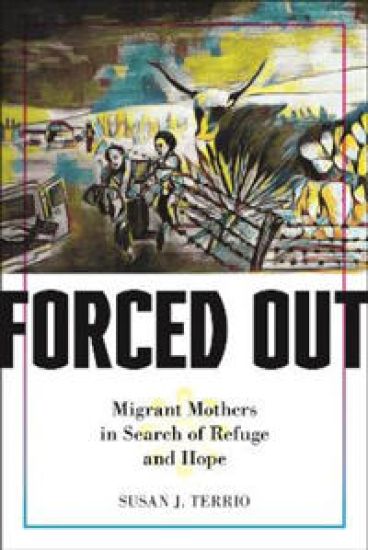
Forced Out

Forced Out

Susan J. Terrio

NEW YORK UNIVERSITY PRESS
2024
sidottu
2024 Outstanding Academic Title, given by Choice Reviews Features the stories of undocumented mothers who reunite with their children in the US years after fleeing violence at home Facing escalating chaos and violence in their home countries, many Central American mothers have found that a desperate flight to the north was their only choice. Many left their children behind in order to spare them the hardships of the journey. If they made it across the border without getting locked up or deported, they entered a country increasingly unwilling to recognize claims of asylum. This book features the stories of women who crossed the border without encountering immigration authorities, in some cases several times, and settled in the greater Washington, DC, area, living in the shadows for years. By centering on the voices of the women themselves, it offers an intimate look at what drove them from home and the challenges they face in reuniting years later with their children. Forced Out traces the women's evolving attitudes toward the violence embedded in institutions and everyday life in their home countries, as well as their continued vulnerability and dependence in the US. It also highlights the challenges they face in parenting children adapting to American society and learning English while living with mothers who had left them years before and become strangers to them. Rather than sensationalizing their trauma or dwelling on their vulnerability, the stories reveal the women's rich, complex inner lives, their resilience in overcoming senseless violence, and their unswerving commitment to bettering their children's lives. Clear, vivid, and impactful, this is a humbling and humane look at the state of migration to America today.
Forced Out

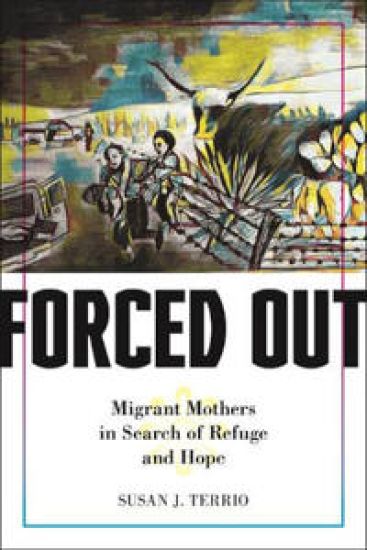
Forced Out

Susan J. Terrio

NEW YORK UNIVERSITY PRESS
2024
pokkari
2024 Outstanding Academic Title, given by Choice Reviews Features the stories of undocumented mothers who reunite with their children in the US years after fleeing violence at home Facing escalating chaos and violence in their home countries, many Central American mothers have found that a desperate flight to the north was their only choice. Many left their children behind in order to spare them the hardships of the journey. If they made it across the border without getting locked up or deported, they entered a country increasingly unwilling to recognize claims of asylum. This book features the stories of women who crossed the border without encountering immigration authorities, in some cases several times, and settled in the greater Washington, DC, area, living in the shadows for years. By centering on the voices of the women themselves, it offers an intimate look at what drove them from home and the challenges they face in reuniting years later with their children. Forced Out traces the women's evolving attitudes toward the violence embedded in institutions and everyday life in their home countries, as well as their continued vulnerability and dependence in the US. It also highlights the challenges they face in parenting children adapting to American society and learning English while living with mothers who had left them years before and become strangers to them. Rather than sensationalizing their trauma or dwelling on their vulnerability, the stories reveal the women's rich, complex inner lives, their resilience in overcoming senseless violence, and their unswerving commitment to bettering their children's lives. Clear, vivid, and impactful, this is a humbling and humane look at the state of migration to America today.
Whose Child Am I?

Whose Child Am I?

Susan J. Terrio

University of California Press
2015
pokkari
In 2014, the arrest and detention of thousands of desperate young migrants at the southwest border of the United States exposed the U.S. government's shadowy juvenile detention system, which had escaped public scrutiny for years. This book tells the story of six Central American and Mexican children who are driven from their homes by violence and deprivation, and who embark alone, risking their lives, on the perilous journey north. They suffer coercive arrests at the U.S. border, then land in detention, only to be caught up in the battle to obtain legal status. Whose Child Am I? looks inside a vast, labyrinthine system by documenting in detail the experiences of these youths, beginning with their arrest by immigration authorities, their subsequent placement in federal detention, followed by their appearance in deportation proceedings and release from custody, and, finally, ending with their struggle to build new lives in the United States. This book shows how the U.S. government got into the business of detaining children and what we can learn from this troubled history.
Whose Child Am I?

Whose Child Am I?

Susan J. Terrio

University of California Press
2015
sidottu
In 2014, the arrest and detention of thousands of desperate young migrants at the southwest border of the United States exposed the U.S. government's shadowy juvenile detention system, which had escaped public scrutiny for years. This book tells the story of six Central American and Mexican children who are driven from their homes by violence and deprivation, and who embark alone, risking their lives, on the perilous journey north. They suffer coercive arrests at the U.S. border, then land in detention, only to be caught up in the battle to obtain legal status. Whose Child Am I? looks inside a vast, labyrinthine system by documenting in detail the experiences of these youths, beginning with their arrest by immigration authorities, their subsequent placement in federal detention, followed by their appearance in deportation proceedings and release from custody, and, finally, ending with their struggle to build new lives in the United States. This book shows how the U.S. government got into the business of detaining children and what we can learn from this troubled history.
Judging Mohammed

Judging Mohammed

Susan J. Terrio

Stanford University Press
2009
pokkari
In October 2005, three weeks of rioting erupted in France following the accidental deaths of two French boys of North African ancestry. Killed while fleeing the police, these boys were deemed dangerous based largely on their immigrant origins. In France, disadvantaged children of immigrant and foreign ancestry represent the vast majority of formal suspects and have increasingly been portrayed as a threat to public safety and as the embodiment of the assault on French values. Despite official rhetoric of protection, Judging Mohammed reveals how the treatment of these children in the juvenile courts system undermines legal guarantees of equality and due process and reinforces existing hierarchies. Based on five years of extensive research in the largest and most influential juvenile court in France, this work follows young people inside the system, from arrest to court trials. Revealing an alarming turn toward accountability, restitution, and retribution, this groundbreaking study uncovers the disquieting reasons behind France's shifting approaches to the identification, treatment, and representation of its delinquent youth.
Judging Mohammed

Judging Mohammed

Susan J. Terrio

Stanford University Press
2009
sidottu
In October 2005, three weeks of rioting erupted in France following the accidental deaths of two French boys of North African ancestry. Killed while fleeing the police, these boys were deemed dangerous based largely on their immigrant origins. In France, disadvantaged children of immigrant and foreign ancestry represent the vast majority of formal suspects and have increasingly been portrayed as a threat to public safety and as the embodiment of the assault on French values. Despite official rhetoric of protection, Judging Mohammed reveals how the treatment of these children in the juvenile courts system undermines legal guarantees of equality and due process and reinforces existing hierarchies. Based on five years of extensive research in the largest and most influential juvenile court in France, this work follows young people inside the system, from arrest to court trials. Revealing an alarming turn toward accountability, restitution, and retribution, this groundbreaking study uncovers the disquieting reasons behind France's shifting approaches to the identification, treatment, and representation of its delinquent youth.
Crafting the Culture and History of French Chocolate

Crafting the Culture and History of French Chocolate

Susan J. Terrio

University of California Press
2000
pokkari
This absorbing narrative follows the craft community of French chocolatiers--members of a tiny group experiencing intensive international competition--as they struggle to ensure the survival of their businesses. Susan J. Terrio moves easily among ethnography, history, theory, and vignette, telling a story that challenges conventional views of craft work, associational forms, and training models in late capitalism. She enters the world of Parisian craft leaders and local artisanal families there and in southwest France to relate how they work and how they confront the representatives and structures of power, from taste makers, CEOs, and advertising executives to the technocrats of Paris and Brussels. Looking at craft culture and community from a cross-disciplinary perspective, Terrio finds that the chocolatiers affirm their collective identity and their place in the present by commemorating selectively their role in history. In addition to joining a distinguished tradition of American anthropological writing on the role of food, her study of the social production of taste in the invention of vintage, grand cru chocolates lends specificity and weight to theories of consumption by Pierre Bourdieu and others. The book will appeal to anthropologists, cultural studies scholars, and anyone curious about life in contemporary France.