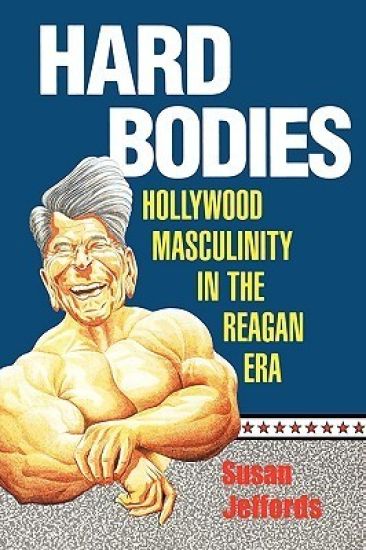
Hard Bodies is about Ronald Reagan, Robert Bly, "America," Rambo, Dirty Harry, national identity, and individual manhood. By linking blockbuster Hollywood films of the 1980s to Ronald Reagan and his image, Susan Jeffords explores the links between masculinity and U.S. identity and how their images changed during that decade. Her book powerfully defines a distinctly ideological period in the renegotiation of masculinity in the post-Vietnam era. As Jeffords perceptively notes, Reagan was most effective at constructing and promoting his own image. His election in 1980 and his landslide re-election in 1984 offered politicians and the film industry some insight into "what audiences want to see." Audiences--and constituencies--were looking for characters who stood up for individualism, liberty, anti-governmentalism, militarism, and who embodied a kind of mythic heroism. The administration in Washington and Hollywood filmmakers sensed and tried to fill that need. Jeffords describes how movies meshed inextricably with Reagan's life as he cast himself as a hero and influenced the country to believe the same script. Invoking Clint Eastwood in his speeches and treating scenes from movies as if they were real, Reagan played on his image in order to link popular and national narratives. Hollywood returned the compliment.Through her illuminating and detailed analyses of both the Reagan presidency and many blockbuster movies, Jeffords provides a scenario within which the successes of the New Right and the Reagan presidency can begin to be understood: she both encourages an understanding of how this complicity functioned and provides a framework within which to respond to the New Right's methods and arguments. Rambo, Lethal Weapon, Die Hard, Robocop, Back to the Future, Star Wars, the Indiana Jones series, Mississippi Burning, Rain Man, Batman, and Unforgiven are among the films she discusses. In her closing chapter, she suggests the direction that masculinity is taking in the 1990s.