Kirjailija
Susan K. Mitchell
Kirjat ja teokset yhdessä paikassa: 16 kirjaa, julkaisuja vuosilta 2007-2019, suosituimpien joukossa Clever Camouflage: Unseen Animals. Vertaile teosten hintoja ja tarkista saatavuus suomalaisista kirjakaupoista.
16 kirjaa
Kirjojen julkaisuhaarukka 2007-2019.
Animals are experts when it comes to playing hide-and-seek. Using camouflage, prey and predators alike employ this crucial tactic to defend themselves and ensure their survival. Enhanced with vibrant photographs and enthralling facts, this engaging, yet accessible text focuses on the four basic types of camouflage: coloration, disruptive coloration, disguise, and mimicry. Students will apply their knowledge of the different versions of camouflage as they encounter various species throughout the book and learn why some animals use one type of camouflage as opposed to another.
Prickly Protection: Stingers, Barbs, and Quills
Avery Elizabeth Hurt; Susan K. Mitchell
Enslow Publishing
2019
sidottu
Animals have evolved a wide range of defenses to keep them safe from other animals that want to eat them. This volume explores the many defenses animals employ to protect themselves, including porcupine quills, insect stingers, and the flying hooves of zebras. Through full-color photographs and fun facts that accompany the fascinating and informative text, readers will learn how animals use their unique designs to survive another day. Sidebars provide more details on interesting points and a list of recent books and educational websites encourages students to do more in-depth research of their own.
Chemical Cover: Smells and Poisons
Emma Carlson Berne; Susan K. Mitchell
Enslow Publishing
2019
sidottu
Many mammals, reptiles, fish, and amphibians produce chemicals in their bodies in order to ward off predators. Some manufacture poisons or smelly or painful substances in their own bodies. Others acquire these chemicals through their diet. Engaging text and eye-catching photographs invite readers to delve into the world of stinky sprays, poisonous skin, and slimy goo in order to understand how animals use these chemicals to defend themselves. A discussion of humans' relationship to chemical weapons helps deepen students' understanding of chemicals as defense, while fast facts and lively sidebars explore unusual venoms and behaviors.
Animals are experts when it comes to playing hide-and-seek. Using camouflage, prey and predators alike employ this crucial tactic to defend themselves and ensure their survival. Enhanced with vibrant photographs and enthralling facts, this engaging, yet accessible text focuses on the four basic types of camouflage: coloration, disruptive coloration, disguise, and mimicry. Students will apply their knowledge of the different versions of camouflage as they encounter various species throughout the book and learn why some animals use one type of camouflage as opposed to another.
Devious Disguises: Animal Look-Alikes
Anita Louise McCormick; Susan K. Mitchell
Enslow Publishing
2019
sidottu
Around the world, there are creatures that avoid being eaten because of their ability to mimic. If an insect, snake, or other creature looks like an animal that is poisonous or tastes bad, the predators will most likely leave it alone. Filled with informative "fun fact" boxes, full-color photographs, and intriguing sidebars, this book will help readers discover the many ways that wild animals use mimicry to stay alive. Students will also learn about predators that use mimicry to disguise themselves when they are hunting for food.
Regeneration: Regrowing Heads, Tails, and Legs
Avery Elizabeth Hurt; Susan K. Mitchell
Enslow Publishing
2019
nidottu
Animals have many different ways to protect themselves from their enemies. Only a few have the amazing ability to regrow body parts that have been bitten or pulled off by predators. It's called regeneration, and even scientists aren't exactly sure how it works. With this fascinating volume, readers will learn what animals possess this super power, how they use it, and what the limits are to this nifty survival trick. Discussions of scientific research are presented in interesting and accessible language. Detailed photographs, fact boxes, and in-depth sidebars enhance the narrative.
Chemical Cover: Smells and Poisons
Emma Carlson Berne; Susan K. Mitchell
Enslow Publishing
2019
nidottu
Many mammals, reptiles, fish, and amphibians produce chemicals in their bodies in order to ward off predators. Some manufacture poisons or smelly or painful substances in their own bodies. Others acquire these chemicals through their diet. Engaging text and eye-catching photographs invite readers to delve into the world of stinky sprays, poisonous skin, and slimy goo in order to understand how animals use these chemicals to defend themselves. A discussion of humans' relationship to chemical weapons helps deepen students' understanding of chemicals as defense, while fast facts and lively sidebars explore unusual venoms and behaviors.
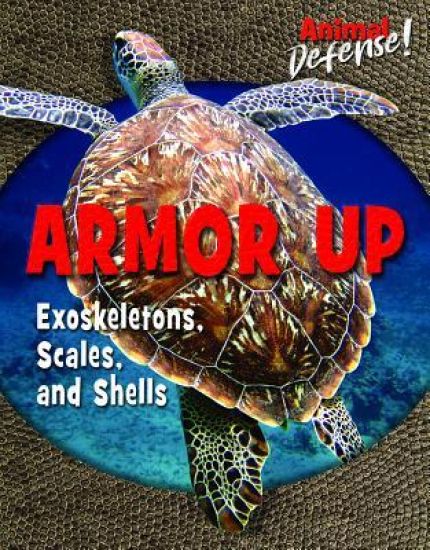
Armor Up: Exoskeletons, Scales, and Shells
Emma Carlson Berne; Susan K. Mitchell
Enslow Publishing
2019
nidottu
Armored skin, bony plates, and shells are key defenses animals employ to survive in their natural surroundings. By examining the many forms animal armor can take, readers will have the opportunity to explore the physical makeup of turtle shells, armadillo bands, and millipede exoskeletons, among others. They'll learn how animals use their armor to protect against specific predators. Lively fact boxes, along with sidebars and accessible descriptions of current scientific research, help students discover the more unusual aspects of animal armor. Full-color photographs of the animals and close-ups of their special features enhance the narrative while a list of recent books and websites encourage further exploration of the topic.
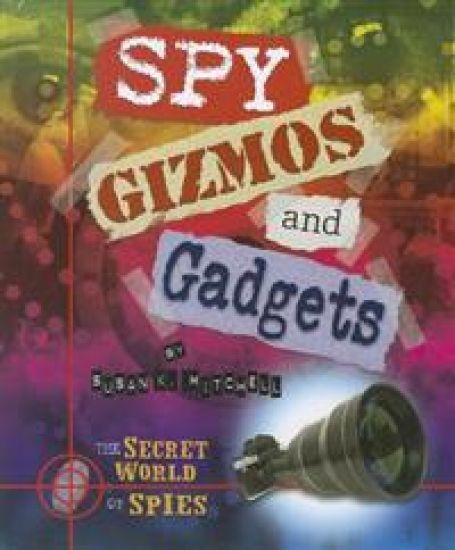
Can you hide a spy camera in a pen or behind a shirt button? Spies need hidden cameras for secret missions. Need to pass along a secret message? A spy might use invisible ink. Spies could not do their jobs without the latest gizmos and gadgets. In this book, readers will check out some of the most important tools in the spy world from wiretaps to lipstick pistols.
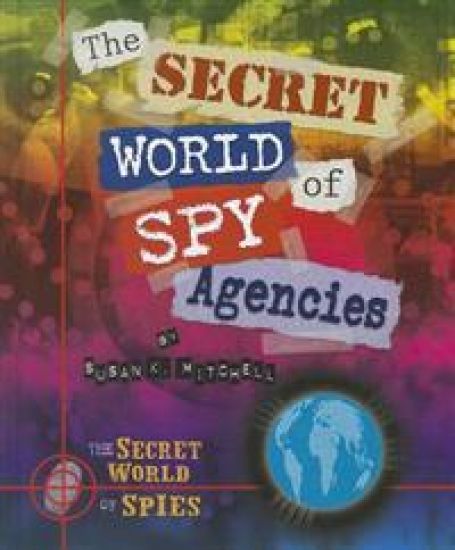
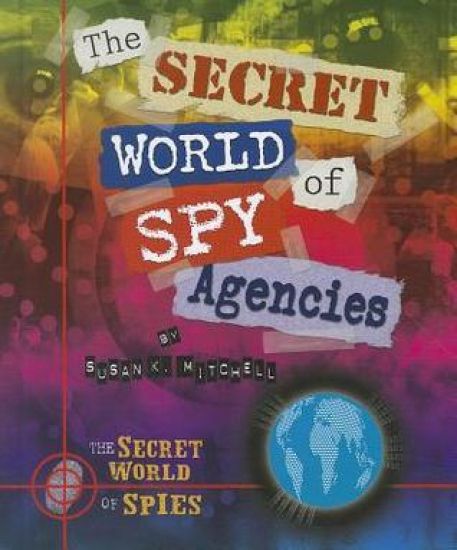
The world's best spies cannot complete secret missions and do their jobs well without support from great spy agencies. So who do these spies work for? Many countries have spy agencies. Some of them have a mysterious history. Some of them have double agents working for other countries. Author Susan K. Mitchell uncovers the secrets of spy agencies from around the world.
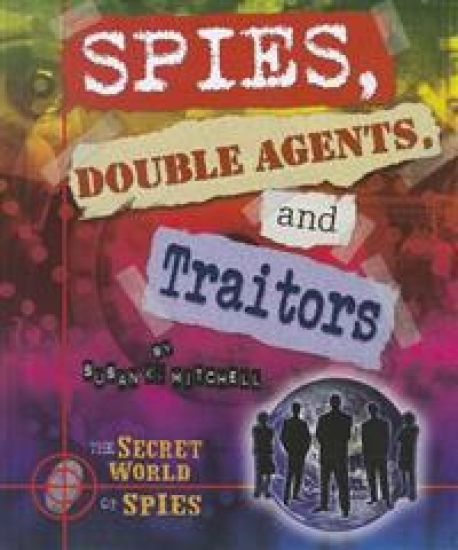
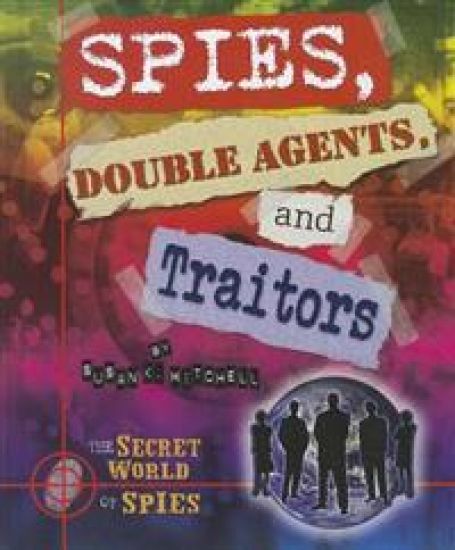
Imagine going on dangerous missions like James Bond? Well, real-life spies risk their lives everyday. They will do almost anything to get the job done, but not all spies are heroes. Double agents will even betray their own country to complete their tasks. If caught, the punishment can be death. Author Susan K. Mitchell explores the dangerous lives of spies.
You see an airplane streaking through the sky. Is it a normal airplane flying vacationers to Florida? Or could it be a spy plane piloted by a robot taking pictures of you? As technology has advanced, so have the ways spies use that technology. From spy planes to lasers to a robot catfish, spy technology is constantly changing to keep up with a fast-paced world.
Did a family of four, including a six-year-old boy, spy on the U.S. military at Pearl Harbor during World War II? Is it possible that pigeons and mice could be used as spies? Some of the most famous and infamous spies in history are not what or whom you would expect. Author Susan K. Mitchell looks at many spies and their secrets from family spy rings to animal spies.
The world's best spies cannot complete secret missions and do their jobs well without support from great spy agencies. So who do these spies work for? Many countries have spy agencies. Some of them have a mysterious history. Some of them have double agents working for other countries. Author Susan K. Mitchell uncovers the secrets of spy agencies from around the world.
Imagine going on dangerous missions like James Bond? Well, real-life spies risk their lives everyday. They will do almost anything to get the job done, but not all spies are heroes. Double agents will even betray their own country to complete their tasks. If caught, the punishment can be death. Author Susan K. Mitchell explores the dangerous lives of spies.
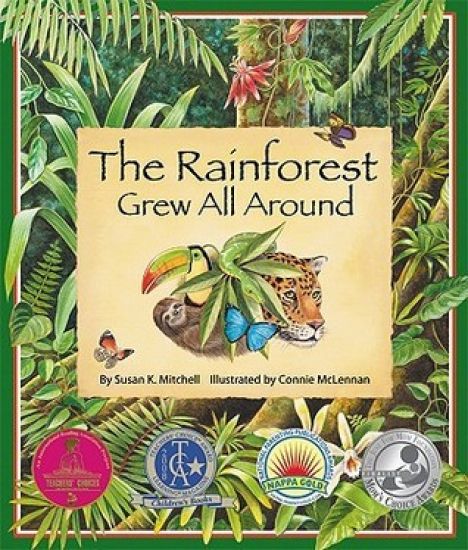
Imaginations will soar from the forest floor, up through the canopy and back down again, following the circle of life in this clever adaptation of the song "The Green Grass Grew All Around." The jungle comes alive as children learn about a wide variety of the animals (jaguars, emerald tree boas, leafcutter ants, sloths, poison dart frogs, toucans, and bats) and plants (kapok trees, liana vines, and bromeliads) living in the lush Amazon rainforest. Delve even deeper into the jungle using sidebars and the three-page "For Creative Minds" educational section. This nonfiction picture book with a cuddle factor and rhyming text includes a 3-page For Creative Minds section in the back of the book and a 23-page cross-curricular Teaching Activity Guide online. The Rainforest Grew All Around is vetted by experts and designed to encourage parental engagement. Its extensive back matter helps teachers with time-saving lesson ideas, provides extensions for science, math, and social studies units, and uses inquiry-based learning to help build critical thinking skills in young readers. The Spanish translation supports ELL and dual-language programs. The interactive ebook reads aloud in both English and Spanish with word highlighting and audio speed control to promote oral language skills, fluency, pronunciation, text engagement, and reading comprehension. Tap animals and other things that make noise to hear their sounds.