Kirjojen hintavertailu. Mukana 12 595 353 kirjaa ja 12 kauppaa.

Kirjailija

Susan L. Siegfried

Kirjat ja teokset yhdessä paikassa: 3 kirjaa, julkaisuja vuosilta 2009-2026, suosituimpien joukossa The New Taste. Vertaile teosten hintoja ja tarkista saatavuus suomalaisista kirjakaupoista.

3 kirjaa

Kirjojen julkaisuhaarukka 2009-2026.

The New Taste

The New Taste

Susan L. Siegfried

YALE UNIVERSITY PRESS
2026
sidottu
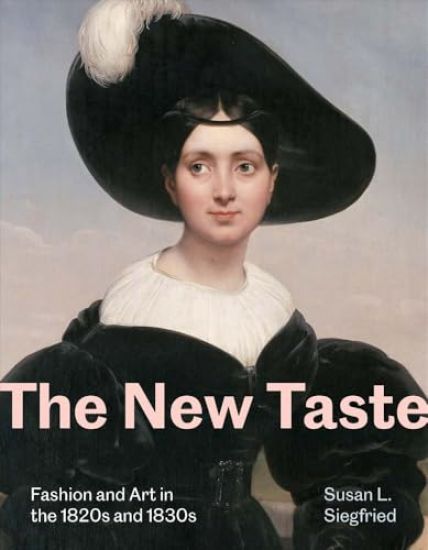
A fascinating consideration of the dynamic relationship between fashion, art, and the modernizing forces of the early nineteenth century Across the visual arts in France and Britain in the 1820s and 1830s a novel concept of fashionability took shape. Driven by a quest for the new and wide-ranging in taste, fashion flourished in the period’s expansive print production, while the fine arts negotiated the demand for novelty by, paradoxically, reviving styles from the past. Susan L. Siegfried argues that the intersections between fashion, costume, and art in these pivotal decades embody the fractured conditions of early-nineteenth-century visual culture. The New Taste examines depictions of clothing and hairstyles in fashion plates, paintings, prints, and sculpture by artists including Jean-Auguste-Dominique Ingres, Horace Vernet, Achille Devéria, and Bertel Thorvaldsen, alongside texts on clothing and art by writers such as Honoré de Balzac and Thomas Carlyle. Siegfried reveals how both the commercial and the fine arts responded to transformations in social dynamics, colonialism, print technology, textile manufacture, perceptions of the male dandy, and the role of women as consumers. Highlighting a largely overlooked period in art and fashion, this richly illustrated volume offers insights into the social, artistic, and gendered questions that troubled the shift from classicism to realism.
Picasso Ingres

Picasso Ingres

Christopher Riopelle; Emily Talbot; Susan L. Siegfried

NATIONAL GALLERY COMPANY LTD
2022
pokkari
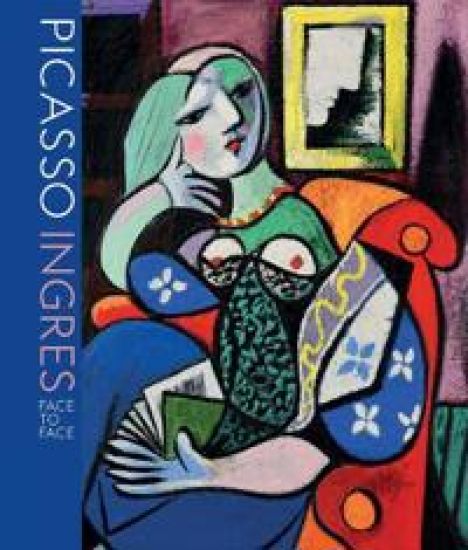
An exploration of the fascinating parallels and differences between Picasso’s Woman with a Book and Ingres’s Madame Moitessier This publication examines, in detail, two extraordinary interrelated works: Picasso’s Woman with a Book (1932) and Ingres’s Madame Moitessier (1844–56). Each painting is explored in depth, illuminating the parallels and differences between the artists’ techniques and creative ambitions. The first essay tells the story of the twelve-year gestation of Ingres’s Madame Moitessier, focusing on the role of drawings in the elaboration of the composition, and of the sitter herself in determining how she was to be presented. The second essay traces the development of Picasso’s Woman with a Book, among the most celebrated likenesses of the artist’s young lover, Marie-Thérèse Walter. In contrast to Ingres’s work, it was painted in just a day or two. The final essay explores, through these two works, the artists’ shared interest in the relationship between nude and clothed bodies, revealing the depth of Picasso’s engagement with Madame Moitessier, which motivates and animates Woman with a Book. Published by National Gallery Company/Distributed by Yale University Press
Ingres

Ingres

Susan L. Siegfried

Yale University Press
2009
sidottu
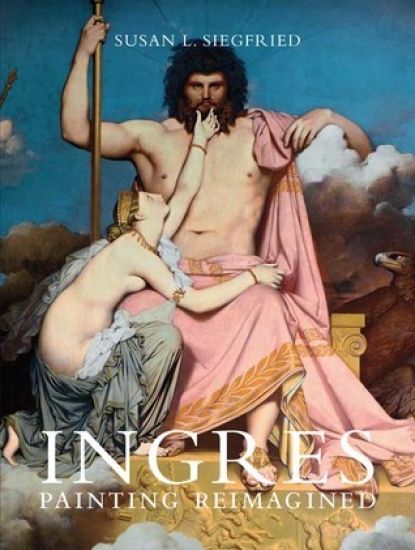
Jean-Auguste-Dominique Ingres (1780–1867) produced a body of work that strongly appealed to his contemporaries while disconcerting them. Even today, the odd qualities of his work continue to fascinate scholars, critics, and artists. In this handsomely illustrated and elegantly written book, Susan L. Siegfried argues that the strangeness associated with Ingres’s paintings needs to be located in the complex and richly invested nature of the work itself, as well as in the artist’s very powerful—if often perverse—sense of artistic project. She shows that his major re-thinking of pictorial narrative – in his classical literary, historical, and religious subjects – was as central to his achievement as his distinctive rendering of the female figure in classical nudes and portraits. He was engaged in a complex process of giving visual form to narrative, which he did in new and unusual ways that involved him in a close reading of the texts on which he drew, including authors such as Homer, Virgil, Ariosto, and Dante, as well as religious narratives and stories about medieval and early modern French history.