Kirjojen hintavertailu. Mukana 12 595 353 kirjaa ja 12 kauppaa.
Kirjailija
Susan Lobo
Kirjat ja teokset yhdessä paikassa: 5 kirjaa, julkaisuja vuosilta 1981-2018, suosituimpien joukossa Native American Voices. Vertaile teosten hintoja ja tarkista saatavuus suomalaisista kirjakaupoista.
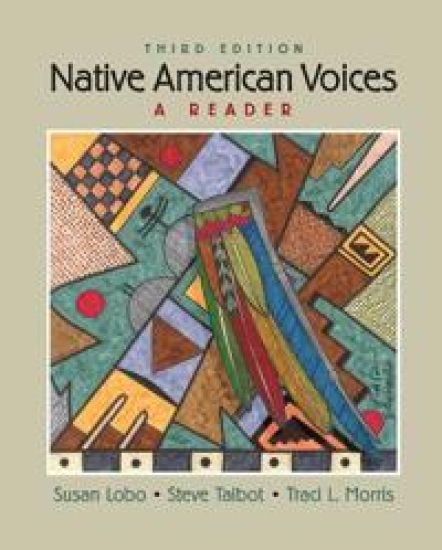
This unique reader presents a broad approach to the study of American Indians through the voices and viewpoints of the Native Peoples themselves. Multi-disciplinary and hemispheric in approach, it draws on ethnography, biography, journalism, art, and poetry to familiarize students with the historical and present day experiences of native peoples and nations throughout North and South America–all with a focus on themes and issues that are crucial within Indian Country today. For courses in Introduction to American Indians in departments of Native American Studies/American Indian Studies, Anthropology, American Studies, Sociology, History, Women's Studies.
This unique reader presents a broad approach to the study of American Indians through the voices and viewpoints of the Native Peoples themselves. Multi-disciplinary and hemispheric in approach, it draws on ethnography, biography, journalism, art, and poetry to familiarize students with the historical and present day experiences of native peoples and nations throughout North and South America–all with a focus on themes and issues that are crucial within Indian Country today. For courses in Introduction to American Indians in departments of Native American Studies/American Indian Studies, Anthropology, American Studies, Sociology, History, Women's Studies.
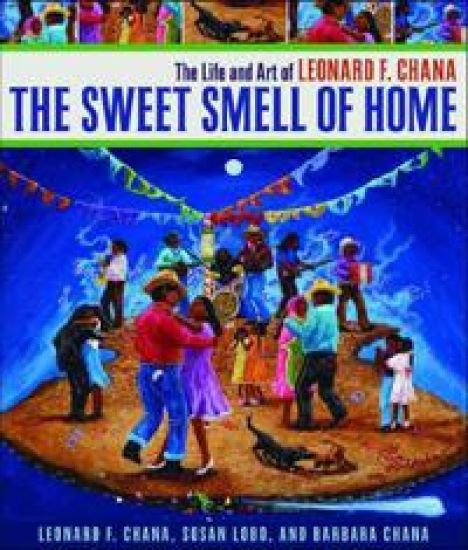
A self-taught artist in several mediums who became known for stippling, Leonard Chana captured the essence of the Tohono Oodham people. He incorporated subtle details of Oodham life into his art, and his images evoke the smells, sounds, textures, and tastes of the Sonoran desert, ll the while depicting the values of his people. He began his career by creating cards and soon was lending his art to posters and logos for many community-based Native organizations. Winning recognition from these groups, his work was soon actively sought by them. Chana's work also appears on the covers and as interior art in a number of books on southwestern and American Indian topics. The Sweet Smell of Home is an autobiographical work, written in Chana's own voice that unfolds through oral history interviews with anthropologist Susan Lobo. Chana imparts the story of his upbringing and starting down the path toward a career as an artist. Balancing humor with a keen eye for cultural detail, he tells us about life both on and off the reservation.Eighty pieces of art?26 in colorgrace the text, and Chana explains both the impetus for and the evolution of each piece. Leonard Chana was a people's artist who celebrated the extraordinary heroism of common people's lives. The Sweet Smell of Home now celebrates this unique artist whose words and art illuminate not only his own remarkable life, but also the land and lives of the Tohono Oodham people
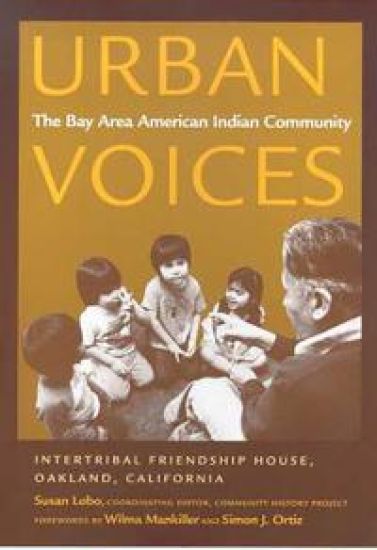
California has always been America's promised land for American Indians as much as anyone. In the 1950s, Native people from all over the United States moved to the San Francisco Bay Area as part of the Bureau of Indian Affairs Relocation Program. Oakland was a major destination of this program, and once there, Indian people arriving from rural and reservation areas had to adjust to urban living. They did it by creating a cooperative, multi-tribal community not a geographic community, but rather a network of people linked by shared experiences and understandings. The Intertribal Friendship House in Oakland became a sanctuary during times of upheaval in people's lives and the heart of a vibrant American Indian community. As one long-time resident observes, ""The Wednesday Night Dinner at the Friendship House was a must if you wanted to know what was happening among Native people."" One of the oldest urban Indian organizations in the country, it continues to serve as a gathering place for newcomers as well as for the descendants of families who arrived half a century ago. This album of essays, photographs, stories, and art chronicles some of the people and events that have played and continue to play a role in the lives of Native families in the Bay Area Indian community over the past seventy years. Based on years of work by more than ninety individuals who have participated in the Bay Area Indian community and assembled by the Community History Project at the Intertribal Friendship House, it traces the community's changes from before and during the relocation period through the building of community institutions. It then offers insight into American Indian activism of the 1960s and '70s including the occupation of Alcatraz and shows how the Indian community continues to be created and re-created for future generations. Together, these perspectives weave a richly textured portrait that offers an extraordinary inside view of American Indian urban life. Through oral histories, written pieces prepared especially for this book, graphic images, and even news clippings, Urban Voices collects a bundle of memories that hold deep and rich meaning for those who are a part of the Bay Area Indian community accounts that will be familiar to Indian people living in cities throughout the United States. And through this collection, non-Indians can gain a better understanding of Indian people in America today. ""If anything this book is expressive of, it is the insistence that Native people will be who they are as Indians living in urban communities, Natives thriving as cultural people strong in Indian ethnicity, and Natives helping each other socially, spiritually, economically, and politically no matter what. I lived in the Bay Area in 1975-79 and 1986-87, and I was always struck by the Native (many people do say 'American Indian' emphatically!) community and its cultural identity that has always insisted on being second to none. Yes, indeed this book is a dynamic, living document and tribute to the Oakland Indian community as well as to the Bay Area Indian community as a whole."" Simon J. Ortiz ""When my family arrived in San Francisco in 1957, the people at the original San Francisco Indian Center helped us adjust to urban living. Many years later, I moved to Oakland and the Intertribal Friendship House became my sanctuary during a tumultuous time in my life. The Intertribal Friendship House was more than an organization. It was the heart of a vibrant tribal community. When we returned to our Oklahoma homelands twenty years later, we took incredible memories of the many people in the Bay Area who helped shape our values and beliefs, some of whom are included in this book."" Wilma Mankiller, former Principal Chief, Cherokee Nation