Kirjojen hintavertailu. Mukana 12 595 353 kirjaa ja 12 kauppaa.

Kirjailija

Susan M. Gass

Kirjat ja teokset yhdessä paikassa: 19 kirjaa, julkaisuja vuosilta 1998-2025, suosituimpien joukossa Interlanguage Refusals. Vertaile teosten hintoja ja tarkista saatavuus suomalaisista kirjakaupoista.

19 kirjaa

Kirjojen julkaisuhaarukka 1998-2025.

Second Language Acquisition

Second Language Acquisition

Susan M. Gass; Jennifer Behney; Luke Plonsky; Elizabeth Huntley

TAYLOR FRANCIS LTD
2025
nidottu
Now in its sixth edition, this bestselling textbook remains the cornerstone for the study of second language acquisition, providing a comprehensive yet accessible introduction to SLA.This substantially revised and updated edition has been edited into ten chapters, with a focus on the most frequently taught core themes and increased accessibility. A new introductory chapter provides a concise overview of the history of the field. Omitted chapters are available online where supplementation is desired. The text continues to provide a rich range of pedagogical tools that encourage students to reflect upon the experiences of second language learners. As with previous editions, discussion questions and problems are peppered throughout each chapter to help students apply their knowledge, and a glossary defines and reinforces must-know terminology. Additional questions and problems appear on the online companion website.This seminal text is ideal core reading for SLA courses in second language studies, applied linguistics, linguistics, TESOL, and/or language education programs. This textbook is supported with Instructor and Student Resources, including PowerPoint slides, exercises, flashcards, audio and video links: www.routledge.com/cw/gass.

Second Language Acquisition

Second Language Acquisition

Susan M. Gass; Jennifer Behney; Luke Plonsky; Elizabeth Huntley

TAYLOR FRANCIS LTD
2025
sidottu
Now in its sixth edition, this bestselling textbook remains the cornerstone for the study of second language acquisition, providing a comprehensive yet accessible introduction to SLA.This substantially revised and updated edition has been edited into ten chapters, with a focus on the most frequently taught core themes and increased accessibility. A new introductory chapter provides a concise overview of the history of the field. Omitted chapters are available online where supplementation is desired. The text continues to provide a rich range of pedagogical tools that encourage students to reflect upon the experiences of second language learners. As with previous editions, discussion questions and problems are peppered throughout each chapter to help students apply their knowledge, and a glossary defines and reinforces must-know terminology. Additional questions and problems appear on the online companion website.This seminal text is ideal core reading for SLA courses in second language studies, applied linguistics, linguistics, TESOL, and/or language education programs. This textbook is supported with Instructor and Student Resources, including PowerPoint slides, exercises, flashcards, audio and video links: www.routledge.com/cw/gass.

Second Language Research

Second Language Research

Alison Mackey; Susan M. Gass

Taylor Francis Ltd
2021
nidottu
Second Language Research: Methodology and Design is a clear, comprehensive overview of core issues in L2 research. Authored by well-known scholars in SLA and supported by a wealth of examples from actual studies and extensive pedagogical resources, this book first introduces students to the key topics and debates in L2 research. It then guides readers step by step through the research process—from basic principles and collection methods through study design and reporting—to the point of being able to conduct their own research from beginning to end. This book is an essential text for students and novice researchers of SLA, applied linguistics, and second and foreign language teaching. Key Features A wealth of graphics, visuals, and exercises in each chapter. "Time to Think" and "Time to Do" boxes within chapters Helpful glossary and subject indexNew to This Edition Substantially reorganized chapters Significantly expanded chapters on qualitative and mixed methods Substantive revised material on computer/technology-based research Spotlights a variety of new software packages and databases, including video-mediated technology and games Discusses the Open Science Movement Expanded coverage of corpora, processing, and psycholinguistics-based research Updated references throughout
Second Language Research

Second Language Research

Alison Mackey; Susan M. Gass

Taylor Francis Ltd
2021
sidottu
Second Language Research: Methodology and Design is a clear, comprehensive overview of core issues in L2 research. Authored by well-known scholars in SLA and supported by a wealth of examples from actual studies and extensive pedagogical resources, this book first introduces students to the key topics and debates in L2 research. It then guides readers step by step through the research process—from basic principles and collection methods through study design and reporting—to the point of being able to conduct their own research from beginning to end. This book is an essential text for students and novice researchers of SLA, applied linguistics, and second and foreign language teaching. Key Features A wealth of graphics, visuals, and exercises in each chapter. "Time to Think" and "Time to Do" boxes within chapters Helpful glossary and subject indexNew to This Edition Substantially reorganized chapters Significantly expanded chapters on qualitative and mixed methods Substantive revised material on computer/technology-based research Spotlights a variety of new software packages and databases, including video-mediated technology and games Discusses the Open Science Movement Expanded coverage of corpora, processing, and psycholinguistics-based research Updated references throughout
Second Language Acquisition

Second Language Acquisition

Susan M. Gass; Jennifer Behney; Luke Plonsky

Routledge
2020
nidottu
Now in a fifth edition, this bestselling introductory textbook remains the cornerstone volume for the study of second language acquisition (SLA). Its chapters have been fully updated, and reorganized where appropriate, to provide a comprehensive yet accessible overview of the field and its related disciplines. In order to reflect current developments, new sections and expanded discussions have been added. The fifth edition of Second Language Acquisition retains the features that students found useful in previous editions. This edition provides pedagogical tools that encourage students to reflect upon the experiences of second language learners. As with previous editions, discussion questions and problems at the end of each chapter help students apply their knowledge, and a glossary defines and reinforces must-know terminology. This clearly written, comprehensive, and current textbook, by Susan Gass, Jennifer Behney, and Luke Plonsky, is the ideal textbook for an introductory SLA course in second language studies, applied linguistics, linguistics, TESOL, and/or language education programs.This textbook is supported with a Companion Website containing instructor and student resources including PowerPoint slides, exercises, stroop tests, flashcards, audio and video links: https://routledgetextbooks.com/textbooks/9781138743427/
Second Language Acquisition: An Introductory Course

Second Language Acquisition: An Introductory Course

Susan M. Gass; Jennifer Behney; Luke Plonsky

ROUTLEDGE
2020
sidottu
Now in a fifth edition, this bestselling introductory textbook remains the cornerstone volume for the study of second language acquisition (SLA). Its chapters have been fully updated, and reorganized where appropriate, to provide a comprehensive yet accessible overview of the field and its related disciplines.
Using Judgments in Second Language Acquisition Research

Using Judgments in Second Language Acquisition Research

Patti Spinner; Susan M. Gass

Routledge
2019
sidottu
Synthesizing the theory behind and methodology for conducting judgment tests, Using Judgments in Second Language Acquisition Research aims to clarify the issues surrounding this method and to provide best practices in its use. The text is grounded on a balanced and comprehensive background of the usage of judgment data in the past up through its present-day applications. SLA researchers and graduate students will find useful a chapter serving as a "how-to" guide for a variety of situations to conduct research using judgments, including ways to optimize task design and examples from successful studies. Lucid and practical, Using Judgments in Second Language Acquisition Research offers guidance on a method widely used by SLA researchers, both old and new to the field.
Using Judgments in Second Language Acquisition Research

Using Judgments in Second Language Acquisition Research

Patti Spinner; Susan M. Gass

Routledge
2019
nidottu
Synthesizing the theory behind and methodology for conducting judgment tests, Using Judgments in Second Language Acquisition Research aims to clarify the issues surrounding this method and to provide best practices in its use. The text is grounded on a balanced and comprehensive background of the usage of judgment data in the past up through its present-day applications. SLA researchers and graduate students will find useful a chapter serving as a "how-to" guide for a variety of situations to conduct research using judgments, including ways to optimize task design and examples from successful studies. Lucid and practical, Using Judgments in Second Language Acquisition Research offers guidance on a method widely used by SLA researchers, both old and new to the field.
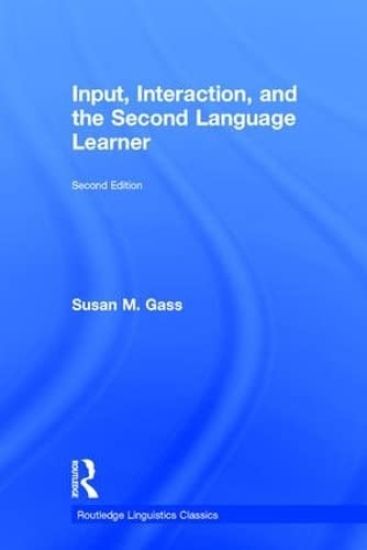
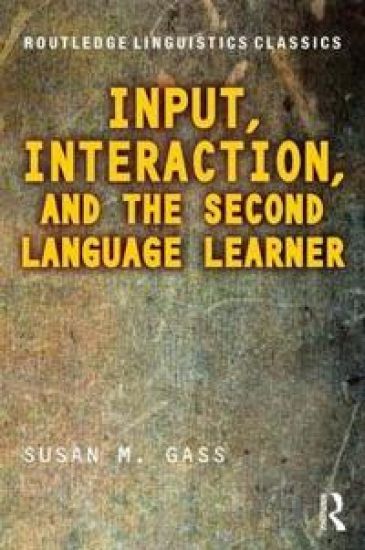
Input, Interaction, and the Second Language Learner
Twenty years after its first publication, Susan M. Gass’s Input, Interaction, and the Second Language Learner has become a classical text in the field of second language acquisition (SLA). This new printing includes the original text, along with a new preface that comprises individual consultations between the author and Alison Mackey, Rod Ellis, and Mike Long on the importance of the project two decades later. The volume provides an important view of the relationship between input, interaction, and SLA. In so doing, it should prove useful to those whose major concern is with the acquisition of a second or foreign language, as well as those who are primarily interested in these issues from a pedagogical perspective. The book does not explicate or advocate a particular teaching methodology, but does attempt to lay out some of the underpinnings of what is involved in interaction—what interaction is and what purpose it serves. Research in SLA is concerned with the knowledge that second language learners do and do not acquire, and how that knowledge comes about. This book ties these issues together from three perspectives: the input/interaction framework, information-processing, and learnability.This Routledge Linguistics Classic remains a key text for all SLA scholars and an essential supplementary volume for students on SLA courses.
Input, Interaction, and the Second Language Learner
Twenty years after its first publication, Susan M. Gass’s Input, Interaction, and the Second Language Learner has become a classical text in the field of second language acquisition (SLA). This new printing includes the original text, along with a new preface that comprises individual consultations between the author and Alison Mackey, Rod Ellis, and Mike Long on the importance of the project two decades later. The volume provides an important view of the relationship between input, interaction, and SLA. In so doing, it should prove useful to those whose major concern is with the acquisition of a second or foreign language, as well as those who are primarily interested in these issues from a pedagogical perspective. The book does not explicate or advocate a particular teaching methodology, but does attempt to lay out some of the underpinnings of what is involved in interaction—what interaction is and what purpose it serves. Research in SLA is concerned with the knowledge that second language learners do and do not acquire, and how that knowledge comes about. This book ties these issues together from three perspectives: the input/interaction framework, information-processing, and learnability.This Routledge Linguistics Classic remains a key text for all SLA scholars and an essential supplementary volume for students on SLA courses.
Second Language Teacher Manual 2nd

Second Language Teacher Manual 2nd

Susan M. Gass

Routledge
2017
sidottu
First Published in 1998. This Teacher's Manual which accompanies the second edition of Second Language Learning: Data Analysis, provides suggested answers to the problems presented in the text. The goal of the text is to give students practice in analyzing data by providing ' hands on' experience with actual second language data.
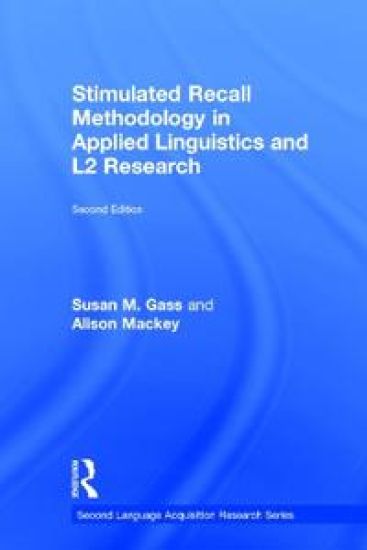
Stimulated Recall Methodology in Applied Linguistics and L2 Research
Stimulated Recall Methodology in Applied Linguistics and L2 Research provides researchers and students in second language acquisition and applied linguistics with the only how-to guide on using stimulated recalls in their research practice. This new edition expands on the scope of the previous edition, walking readers step-by-step through a range of studies in applied linguistics in order to demonstrate the history of stimulated recalls and their efficacy as a data collection tool. With its exclusive focus on stimulated recalls, coverage of the most up-to-date research studies, and pedagogically rich text design, Stimulated Recall Methodology in Applied Linguistics and L2 Research supplies researchers and students with the practical skills to elicit richer data in their own research.
Stimulated Recall Methodology in Applied Linguistics and L2 Research
Stimulated Recall Methodology in Applied Linguistics and L2 Research provides researchers and students in second language acquisition and applied linguistics with the only how-to guide on using stimulated recalls in their research practice. This new edition expands on the scope of the previous edition, walking readers step-by-step through a range of studies in applied linguistics in order to demonstrate the history of stimulated recalls and their efficacy as a data collection tool. With its exclusive focus on stimulated recalls, coverage of the most up-to-date research studies, and pedagogically rich text design, Stimulated Recall Methodology in Applied Linguistics and L2 Research supplies researchers and students with the practical skills to elicit richer data in their own research.
Data Elicitation for Second and Foreign Language Research

Data Elicitation for Second and Foreign Language Research

Susan M. Gass; Alison Mackey

Routledge Member of the Taylor and Francis Group
2007
nidottu
This timely reference guide is specifically directed toward the needs of second language researchers, who can expect to gain a clearer understanding of which techniques may be most appropriate and fruitful in given research domains. Data Elicitation for Second and Foreign Language Research is a perfect companion to the same author team’s bestselling Second Language Research: Methodology and Design. It is an indispensable text for graduate or advanced-level undergraduate students who are beginning research projects in the fields of applied linguistics, second language acquisition, and TESOL as well as a comprehensive reference for more seasoned researchers.
Data Elicitation for Second and Foreign Language Research

Data Elicitation for Second and Foreign Language Research

Susan M. Gass; Alison Mackey

Routledge Member of the Taylor and Francis Group
2007
sidottu
This timely reference guide is specifically directed toward the needs of second language researchers, who can expect to gain a clearer understanding of which techniques may be most appropriate and fruitful in given research domains. Data Elicitation for Second and Foreign Language Research is a perfect companion to the same author team’s bestselling Second Language Research: Methodology and Design. It is an indispensable text for graduate or advanced-level undergraduate students who are beginning research projects in the fields of applied linguistics, second language acquisition, and TESOL as well as a comprehensive reference for more seasoned researchers.
Second Language Teacher Manual 2nd

Second Language Teacher Manual 2nd

Susan M. Gass

Routledge Member of the Taylor and Francis Group
1998
nidottu
First Published in 1998. This Teacher's Manual which accompanies the second edition of Second Language Learning: Data Analysis, provides suggested answers to the problems presented in the text. The goal of the text is to give students practice in analyzing data by providing ' hands on' experience with actual second language data.
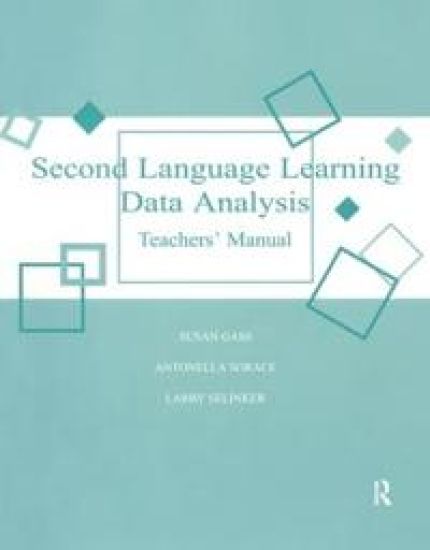
Second Language Learning Data Analysis

Second Language Learning Data Analysis

Susan M. Gass; Antonella Sorace; Larry Selinker

Routledge Member of the Taylor and Francis Group
1998
nidottu
The purpose of this workbook is to provide students with practice in analyzing second language data. For the student of second language learning, "hands-on" experience with actual data is essential in understanding the processes involved in learning a second language. Working through exemplars of the kinds of interlanguages that learners do and do not create brings about a clearer understanding of the principles underlying these interlanguages, as well as the universal principles of language learning (those that are independent of particular languages and interlanguages). The goal in this workbook is to present data organized in such a way that by working through pedagogically presented data-sets, students are led to a discovery and understanding of theoretical and/or methodological issues. In addition, they acquire the ability to interpret data and to begin to draw conclusions from them. The authors intend that students should go from the data to a conclusion that includes a 3-part statement: *what else you should want to know about these data; *why this, specifically, and not something else; and *how one can empirically research what you want to find out. This sequence of questions forces students to constantly keep in mind the important question of falsification: What kind of data would it take to falsify the particular conclusions the students come to? As with the earlier edition of this workbook (Sorace, Gass, & Selinker), two audiocassettes provide language samples for use in the exercises. These cassettes and the teacher's manual are offered free of charge on adoption of the workbook for classroom use; a three-part set (workbook/manual/tapes) is also available.