Kirjojen hintavertailu. Mukana 12 595 353 kirjaa ja 12 kauppaa.

Kirjailija

Suzanne K. Kearns

Kirjat ja teokset yhdessä paikassa: 4 kirjaa, julkaisuja vuosilta 2015-2021, suosituimpien joukossa Competency-Based Education in Aviation. Vertaile teosten hintoja ja tarkista saatavuus suomalaisista kirjakaupoista.

4 kirjaa

Kirjojen julkaisuhaarukka 2015-2021.

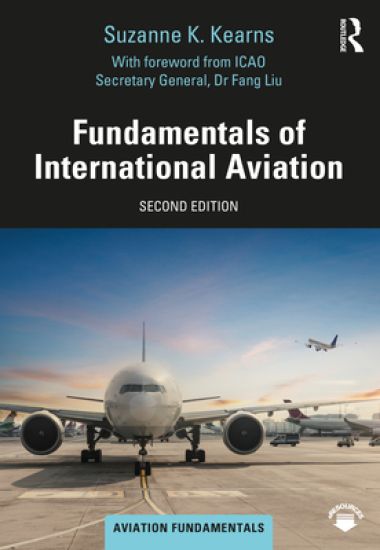
Fundamentals of International Aviation

Fundamentals of International Aviation

Suzanne K. Kearns

Routledge
2021
nidottu
International aviation is a massive and complex industry that is crucial to our global economy and way of life. Designed for the next generation of aviation professionals, Fundamentals of International Aviation, second edition, flips the traditional approach to aviation education. Instead of focusing on one career in one country, it introduces readers to the air transport sector on a global scale with a broad view of all the interconnected professional groups.This text provides a foundation of ‘how aviation works’ in preparation for any career in the field (including regulators, maintenance engineers, pilots, flight attendants, airline and airport managers, dispatchers, and air traffic controllers, among many others). Each chapter introduces a different cross-section of the industry, from air law to operations, security to environmental impacts. A variety of learning tools are built into each chapter, including 24 case studies that describe an aviation accident related to each topic. This second edition adds new learning features, geographic representation from Africa, a new chapter on economics, full-color illustrations, and updated and enhanced online resources.This accessible and engaging textbook provides a foundation of industry awareness that will support a range of aviation careers. It also offers current air transport professionals an enriched understanding of the practices and challenges that make up the rich fabric of international aviation.
Fundamentals of International Aviation

Fundamentals of International Aviation

Suzanne K. Kearns

Routledge
2021
sidottu
International aviation is a massive and complex industry that is crucial to our global economy and way of life. Designed for the next generation of aviation professionals, Fundamentals of International Aviation, second edition, flips the traditional approach to aviation education. Instead of focusing on one career in one country, it introduces readers to the air transport sector on a global scale with a broad view of all the interconnected professional groups.This text provides a foundation of ‘how aviation works’ in preparation for any career in the field (including regulators, maintenance engineers, pilots, flight attendants, airline and airport managers, dispatchers, and air traffic controllers, among many others). Each chapter introduces a different cross-section of the industry, from air law to operations, security to environmental impacts. A variety of learning tools are built into each chapter, including 24 case studies that describe an aviation accident related to each topic. This second edition adds new learning features, geographic representation from Africa, a new chapter on economics, full-color illustrations, and updated and enhanced online resources.This accessible and engaging textbook provides a foundation of industry awareness that will support a range of aviation careers. It also offers current air transport professionals an enriched understanding of the practices and challenges that make up the rich fabric of international aviation.
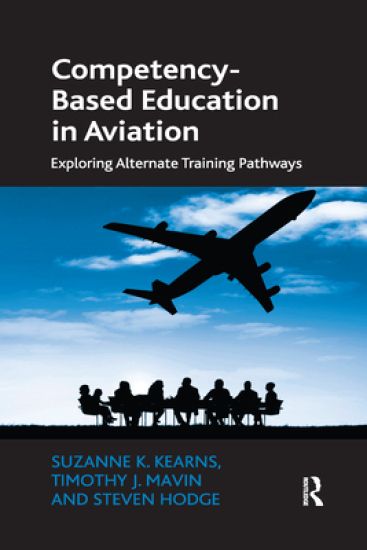
Competency-Based Education in Aviation

Competency-Based Education in Aviation

Suzanne K. Kearns; Timothy J. Mavin; Steven Hodge

Routledge
2020
nidottu
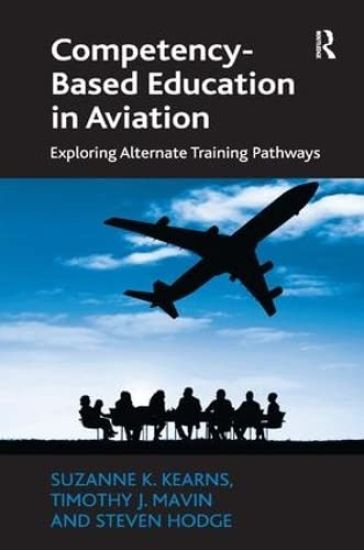
Whether a trainee is studying air traffic control, piloting, maintenance engineering, or cabin crew, they must complete a set number of training 'hours' before being licensed or certified. The aviation industry is moving away from an hours-based to a competency-based training system. Within this approach, training is complete when a learner can demonstrate competent performance. Training based on competency is an increasingly popular approach in aviation. It allows for an alternate means of compliance with international regulations - which can result in shorter and more efficient training programs. However there are also challenges with a competency-based approach. The definition of competency-based education can be confusing, training can be reductionist and artificially simplistic, professional interpretation of written competencies can vary between individuals, and this approach can have a high administrative and regulatory burden. Competency-Based Education in Aviation: Exploring Alternate Training Pathways explores this approach to training in great detail, considering the four aviation professional groups of air traffic control, pilots, maintenance engineers, and cabin crew. Aviation training experts were interviewed and have contributed professional insights along with personal stories and anecdotes associated with competency-based approaches in their fields. Research-based and practical strategies for the effective creation, delivery, and assessment of competency-based education are described in detail.
Competency-Based Education in Aviation

Competency-Based Education in Aviation

Suzanne K. Kearns; Timothy J. Mavin; Steven Hodge

Routledge
2015
sidottu
Whether a trainee is studying air traffic control, piloting, maintenance engineering, or cabin crew, they must complete a set number of training 'hours' before being licensed or certified. The aviation industry is moving away from an hours-based to a competency-based training system. Within this approach, training is complete when a learner can demonstrate competent performance. Training based on competency is an increasingly popular approach in aviation. It allows for an alternate means of compliance with international regulations - which can result in shorter and more efficient training programs. However there are also challenges with a competency-based approach. The definition of competency-based education can be confusing, training can be reductionist and artificially simplistic, professional interpretation of written competencies can vary between individuals, and this approach can have a high administrative and regulatory burden. Competency-Based Education in Aviation: Exploring Alternate Training Pathways explores this approach to training in great detail, considering the four aviation professional groups of air traffic control, pilots, maintenance engineers, and cabin crew. Aviation training experts were interviewed and have contributed professional insights along with personal stories and anecdotes associated with competency-based approaches in their fields. Research-based and practical strategies for the effective creation, delivery, and assessment of competency-based education are described in detail.