

Kirjailija
Suzanne Scott
Kirjat ja teokset yhdessä paikassa: 7 kirjaa, julkaisuja vuosilta 2016-2026, suosituimpien joukossa Trauma Informed Parenting In Action. Vertaile teosten hintoja ja tarkista saatavuus suomalaisista kirjakaupoista.
7 kirjaa
Kirjojen julkaisuhaarukka 2016-2026.
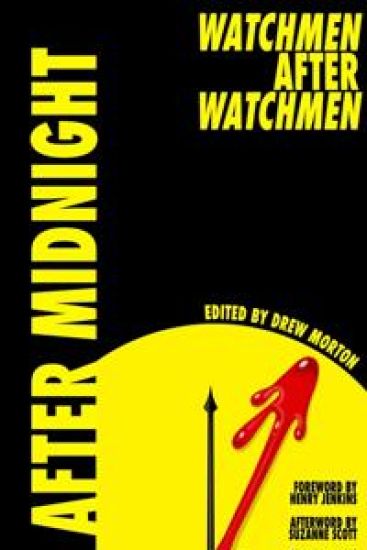
Contributions by Apryl Alexander, Alisia Grace Chase, Brian Faucette, Laura E. Felschow, Lindsay Hallam, Rusty Hatchell, Dru Jeffries, Henry Jenkins, Jeffrey SJ Kirchoff, Curtis Marez, James Denis McGlynn, Brandy Monk-Payton, Chamara Moore, Drew Morton, Mark C. E. Peterson, Jayson Quearry, Zachary J. A. Rondinelli, Suzanne Scott, David Stanley, Sarah Pawlak Stanley, Tracy Vozar, and Chris Yogerst Alan Moore’s and Dave Gibbons’s Watchmen fundamentally altered the perception of American comic books and remains one of the medium’s greatest hits. Launched in 1986—"the year that changed comics" for most scholars in comics studies—Watchmen quickly assisted in cementing the legacy that comics were a serious form of literature no longer defined by the Comics Code era of funny animal and innocuous superhero books that appealed mainly to children. After Midnight: "Watchmen" after "Watchmen" looks specifically at the three adaptations of Moore’s and Gibbons’s Watchmen—Zack Snyder’s Watchmen film (2009), Geoff Johns’s comic book sequel Doomsday Clock (2017), and Damon Lindelof’s Watchmen series on HBO (2019). Divided into three parts, the anthology considers how the sequels, especially the limited series, have prompted a reevaluation of the original text and successfully harnessed the politics of the contemporary moment into a potent relevancy. The first part considers the various texts through conceptions of adaptation, remediation, and transmedia storytelling. Part two considers the HBO series through its thematic focus on the relationship between American history and African American trauma by analyzing how the show critiques the alt-right, represents intergenerational trauma, illustrates alternative possibilities for Black representation, and complicates our understanding of how the mechanics of the show’s production can complicate its politics. Finally, the book’s last section considers the themes of nostalgia and trauma, both firmly rooted in the original Moore and Gibbons series, and how the sequel texts reflect and refract upon those often-intertwined phenomena.

Contributions by Apryl Alexander, Alisia Grace Chase, Brian Faucette, Laura E. Felschow, Lindsay Hallam, Rusty Hatchell, Dru Jeffries, Henry Jenkins, Jeffrey SJ Kirchoff, Curtis Marez, James Denis McGlynn, Brandy Monk-Payton, Chamara Moore, Drew Morton, Mark C. E. Peterson, Jayson Quearry, Zachary J. A. Rondinelli, Suzanne Scott, David Stanley, Sarah Pawlak Stanley, Tracy Vozar, and Chris Yogerst Alan Moore’s and Dave Gibbons’s Watchmen fundamentally altered the perception of American comic books and remains one of the medium’s greatest hits. Launched in 1986—"the year that changed comics" for most scholars in comics studies—Watchmen quickly assisted in cementing the legacy that comics were a serious form of literature no longer defined by the Comics Code era of funny animal and innocuous superhero books that appealed mainly to children. After Midnight: "Watchmen" after "Watchmen" looks specifically at the three adaptations of Moore’s and Gibbons’s Watchmen—Zack Snyder’s Watchmen film (2009), Geoff Johns’s comic book sequel Doomsday Clock (2017), and Damon Lindelof’s Watchmen series on HBO (2019). Divided into three parts, the anthology considers how the sequels, especially the limited series, have prompted a reevaluation of the original text and successfully harnessed the politics of the contemporary moment into a potent relevancy. The first part considers the various texts through conceptions of adaptation, remediation, and transmedia storytelling. Part two considers the HBO series through its thematic focus on the relationship between American history and African American trauma by analyzing how the show critiques the alt-right, represents intergenerational trauma, illustrates alternative possibilities for Black representation, and complicates our understanding of how the mechanics of the show’s production can complicate its politics. Finally, the book’s last section considers the themes of nostalgia and trauma, both firmly rooted in the original Moore and Gibbons series, and how the sequel texts reflect and refract upon those often-intertwined phenomena.
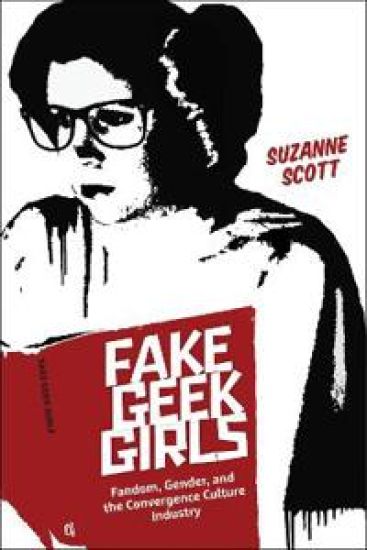
Reveals the systematic marginalization of women within pop culture fan communities When Ghostbusters returned to the screen in 2016, some male fans of the original film boycotted the all-female adaptation of the cult classic, turning to Twitter to express their disapproval and making it clear that they considered the film's "real" fans to be white, straight men. While extreme, these responses are far from unusual, with similar uproars around the female protagonists of the new Star Wars films to full-fledged geek culture wars and harassment campaigns, as exemplified by the #GamerGate controversy that began in 2014. Over the past decade, fan and geek culture has moved from the margins to the mainstream as fans have become tastemakers and promotional partners, with fan art transformed into official merchandise and fan fiction launching new franchises. But this shift has left some people behind. Suzanne Scott points to the ways in which the "men's rights" movement and antifeminist pushback against "social justice warriors" connect to new mainstream fandom, where female casting in geek-nostalgia reboots is vilified and historically feminized forms of fan engagement—like cosplay and fan fiction—are treated as less worthy than male-dominant expressions of fandom like collection, possession, and cataloguing. While this gender bias harkens back to the origins of fandom itself, Fake Geek Girls contends that the current view of women in fandom as either inauthentic masqueraders or unwelcome interlopers has been tacitly endorsed by Hollywood franchises and the viewer demographics they selectively champion. It offers a view into the inner workings of how digital fan culture converges with old media and its biases in new and novel ways.
Reveals the systematic marginalization of women within pop culture fan communities When Ghostbusters returned to the screen in 2016, some male fans of the original film boycotted the all-female adaptation of the cult classic, turning to Twitter to express their disapproval and making it clear that they considered the film's "real" fans to be white, straight men. While extreme, these responses are far from unusual, with similar uproars around the female protagonists of the new Star Wars films to full-fledged geek culture wars and harassment campaigns, as exemplified by the #GamerGate controversy that began in 2014. Over the past decade, fan and geek culture has moved from the margins to the mainstream as fans have become tastemakers and promotional partners, with fan art transformed into official merchandise and fan fiction launching new franchises. But this shift has left some people behind. Suzanne Scott points to the ways in which the "men's rights" movement and antifeminist pushback against "social justice warriors" connect to new mainstream fandom, where female casting in geek-nostalgia reboots is vilified and historically feminized forms of fan engagement—like cosplay and fan fiction—are treated as less worthy than male-dominant expressions of fandom like collection, possession, and cataloguing. While this gender bias harkens back to the origins of fandom itself, Fake Geek Girls contends that the current view of women in fandom as either inauthentic masqueraders or unwelcome interlopers has been tacitly endorsed by Hollywood franchises and the viewer demographics they selectively champion. It offers a view into the inner workings of how digital fan culture converges with old media and its biases in new and novel ways.

Sociology and Psychology for the Dental Team
Sasha Scambler; Koula Asimakopoulou; Suzanne Scott
Polity Press
2016
sidottu
The role that the social and behavioural sciences play in the daily practice of dentistry is now an essential part of all dentistry training, but it can often seem distant from the reality of daily clinical practice. Dentists often ask: what is sociology? Why do I need to know about psychology? Why do I need sociology and psychology to be an effective dentist? How can they help improve my clinical practice? This new textbook answers these important questions and shows how the social and behavioural sciences can inform the practice of dentistry and allied healthcare services in the twenty-first century. It provides a comprehensive, accessible introduction to sociology and psychology for students and members of the dental team with no prior knowledge of the subject, and although the book assumes little or no previous knowledge of psychology or sociology, it also provides enough depth to meet the needs of those with some background in these fields. Throughout, the links between sociology and psychology and everyday practice are emphasized and explained and theoretical concepts are put into the context of everyday clinical work. The authors have extensive experience in teaching and researching the social and behavioural sciences from undergraduate to post-doctoral levels. This book will be an indispensable teaching aid within dental health education, and other allied health and social care disciplines.

Sociology and Psychology for the Dental Team
Sasha Scambler; Koula Asimakopoulou; Suzanne Scott
Polity Press
2016
nidottu
The role that the social and behavioural sciences play in the daily practice of dentistry is now an essential part of all dentistry training, but it can often seem distant from the reality of daily clinical practice. Dentists often ask: what is sociology? Why do I need to know about psychology? Why do I need sociology and psychology to be an effective dentist? How can they help improve my clinical practice? This new textbook answers these important questions and shows how the social and behavioural sciences can inform the practice of dentistry and allied healthcare services in the twenty-first century. It provides a comprehensive, accessible introduction to sociology and psychology for students and members of the dental team with no prior knowledge of the subject, and although the book assumes little or no previous knowledge of psychology or sociology, it also provides enough depth to meet the needs of those with some background in these fields. Throughout, the links between sociology and psychology and everyday practice are emphasized and explained and theoretical concepts are put into the context of everyday clinical work. The authors have extensive experience in teaching and researching the social and behavioural sciences from undergraduate to post-doctoral levels. This book will be an indispensable teaching aid within dental health education, and other allied health and social care disciplines.