Kirjojen hintavertailu. Mukana 12 152 606 kirjaa ja 12 kauppaa.

Kirjailija

Sverre Bagge

Kirjat ja teokset yhdessä paikassa: 9 kirjaa, julkaisuja vuosilta 2002-2024, suosituimpien joukossa Kings, Politics, and the Right Order of the World in German Historiography c. 950-1150. Vertaile teosten hintoja ja tarkista saatavuus suomalaisista kirjakaupoista.

9 kirjaa

Kirjojen julkaisuhaarukka 2002-2024.

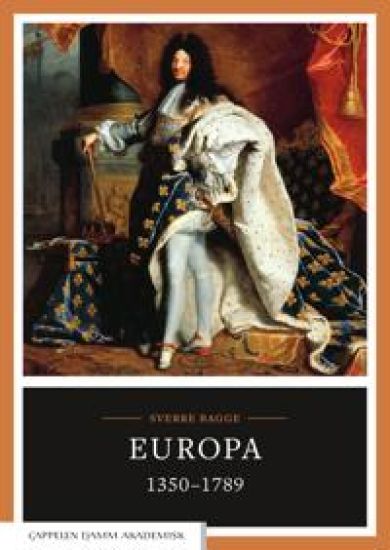
Europa 1350-1789

Europa 1350-1789

Sverre Bagge

Cappelen Damm akademisk
2024
nidottu
Europa 1350–1789 dekker vel 400 år av europeisk historie, fra svartedauden til den franske revolusjon. Boken er en fortsettelse av forfatterens standardverk om europeisk middelalder, Europa tar form, og er i første rekke beregnet på historiestudenter. Men den vil også ha stor interesse for andre historieinteresserte.Tiden 1350–1500 betraktes ofte som en nedgangstid. Dette skyldes særlig pesten som kom til Europa i 1348 og siden hadde utbrudd med 20–30 års mellomrom frem til begynnelsen av 1700-tallet. I denne boken nyanseres dette synet betraktelig. Forfatteren viser hvordan perioden ga grobunn for en rekke nye utviklingstrekk som kom til full utfoldelse omkring 1500: ny skipsteknologi, oppdagelsene av «den nye verden», ny våpenteknologi, boktrykkerkunsten og reformasjonen.Disse endringene fikk store konsekvenser for statsutvikling og politikk i århundrene som fulgte, der man blant annet opplevde vekst i både byråkrati og økonomi, og større evne til å føre krig. Forfatteren viser også hvordan statssystemene ble stadig sterkere og mer komplekse utover på 1600- og 1700-tallet.I sum gir boken et velskrevet og innsiktsfullt bilde av Europa i overgangen fra middelalder til opplysningstid og tilbyr historiestudenter og andre historieinteresserte nødvendige grunnkunnskaper om perioden.
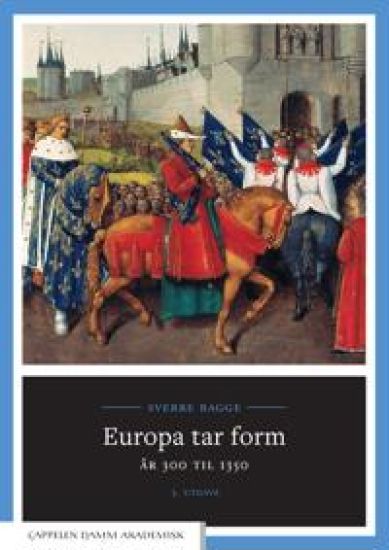
Europa tar form: år 300 til 1350

Europa tar form: år 300 til 1350

Sverre Bagge

Cappelen Damm akademisk
2020
nidottu
Europa tar form tar for seg middelalderens Europa, fra år 300 til 1350. Boken har i en årrekke vært selve standardverket innenfor europeisk middelalderhistorie på norske universiteter og høyskoler. Den kommer nå i en revidert utgave som inkluderer den aller nyeste forskningen på feltet.Fremstillingen starter på 300-tallet og viser hvordan det vestromerske imperium først ble avløst av den østlige og vestlige kristenheten, og deretter også den islamske kulturen fra 600-tallet av. En sentral utviklingslinje i boken er hvordan det kristne Vest-Europa utviklet seg fra å være et tilbakeliggende område, til å bli en stadig mer dominerende maktfaktor mot slutten av perioden. I løpet av høymiddelalderen framstod særlig kirken, staten og byene som de grunnleggende samfunnsinstitusjonene som bidro til å styrke den vestlige makten. Gjennom å risse opp de lange linjene i samfunnsutviklingen, viser forfatteren hvordan befolkningsvekst, økonomiske endringer, politiske konflikter, religiøse stridigheter og kulturelle motsetninger bidro til å forme det tidlige Europa.Boken er skrevet for studenter i historie, men passer også godt for alle historieinteresserte som ønsker mer kunnskap om europeisk middelalder.
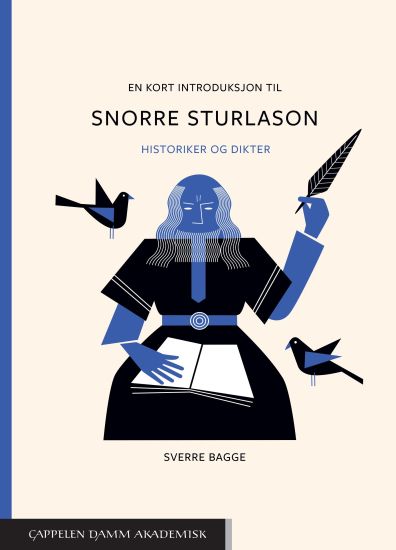
En kort introduksjon til Snorre Sturlason : historiker og dikter
Snorre Sturlason (1179-1241) var en islandsk høvding, forfatter og skald. Han er mest kjent som forfatter av Heimskringla (Snorres kongesagaer), et av Norges viktigste bokverk. Sverre Bagge gir i denne boken en levende innføring i Snorres forfatterskap og virkningshistorie. Forfatteren diskuterer Snorres stil og forholdet mellom den norrøne sagastilen og samtidig europeisk historieskriving. Han presenterer også Snorres liv og samtid, og drøfter hvordan ettertiden har brukt og fortolket hans livsverk, helt opp til vår tid. Endelig blir forholdet mellom historie og diktning diskutert. En kort introduksjon til Snorre Sturlason er en fascinerende beretning om en dikter, historiker og politiker som iakttok og dokumenterte det politiske og sosiale spillet i samtiden, både på Island og i Norge.
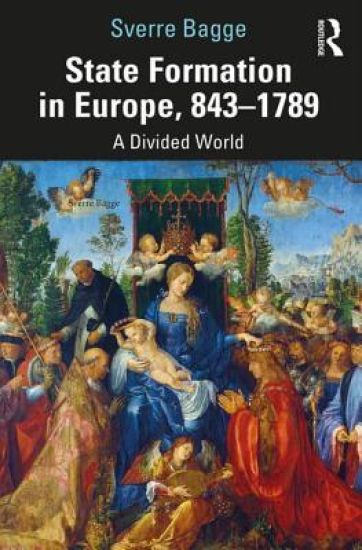
State Formation in Europe, 843–1789
State Formation in Europe, 843–1789 follows the formation and development of the European state from the division of the Carolingian Empire to the French Revolution. The book’s primary focus is on Europe’s patterns of internal and external development in comparison to political organization in other parts of the world. By analysing Europe as a single unit, rather than dividing it into nation states, it reveals the broader historical connections within the Continent. Bagge takes the reader through a discussion of how kingdoms evolved into states, introducing the influence of the Church and the town on these state structures. The relationship between state, Church and town is traced to explain how these different power struggles played out and why the territorial state became the dominate form of organization. Finally, the book clarifies why Europe developed in this way and the global consequences of this development. By observing Europe through the perspective of the rest of the world, readers gain insight into trends common to the whole Continent while crossing the traditional border between the Middle Ages and early modern period. This book is essential reading for students studying medieval and early modern political history, state formation and Europe in a global context.
State Formation in Europe, 843–1789
State Formation in Europe, 843–1789 follows the formation and development of the European state from the division of the Carolingian Empire to the French Revolution. The book’s primary focus is on Europe’s patterns of internal and external development in comparison to political organization in other parts of the world. By analysing Europe as a single unit, rather than dividing it into nation states, it reveals the broader historical connections within the Continent. Bagge takes the reader through a discussion of how kingdoms evolved into states, introducing the influence of the Church and the town on these state structures. The relationship between state, Church and town is traced to explain how these different power struggles played out and why the territorial state became the dominate form of organization. Finally, the book clarifies why Europe developed in this way and the global consequences of this development. By observing Europe through the perspective of the rest of the world, readers gain insight into trends common to the whole Continent while crossing the traditional border between the Middle Ages and early modern period. This book is essential reading for students studying medieval and early modern political history, state formation and Europe in a global context.
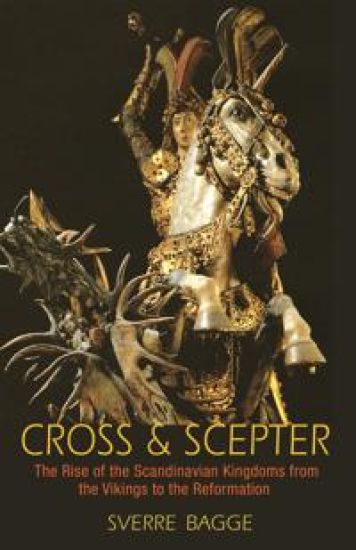
Cross and Scepter

Cross and Scepter

Sverre Bagge

Princeton University Press
2016
pokkari
Christianity and European-style monarchy--the cross and the scepter--were introduced to Scandinavia in the tenth century, a development that was to have profound implications for all of Europe. Cross and Scepter is a concise history of the Scandinavian kingdoms from the age of the Vikings to the Reformation, written by Scandinavia's leading medieval historian. Sverre Bagge shows how the rise of the three kingdoms not only changed the face of Scandinavia, but also helped make the territorial state the standard political unit in Western Europe. He describes Scandinavia's momentous conversion to Christianity and the creation of church and monarchy there, and traces how these events transformed Scandinavian law and justice, military and administrative organization, social structure, political culture, and the division of power among the king, aristocracy, and common people. Bagge sheds important new light on the reception of Christianity and European learning in Scandinavia, and on Scandinavian history writing, philosophy, political thought, and courtly culture. He looks at the reception of European impulses and their adaptation to Scandinavian conditions, and examines the relationship of the three kingdoms to each other and the rest of Europe, paying special attention to the inter-Scandinavian unions and their consequences for the concept of government and the division of power. Cross and Scepter provides an essential introduction to Scandinavian medieval history for scholars and general readers alike, offering vital new insights into state formation and cultural change in Europe.
Cross and Scepter

Cross and Scepter

Sverre Bagge

Princeton University Press
2014
sidottu
Christianity and European-style monarchy--the cross and the scepter--were introduced to Scandinavia in the tenth century, a development that was to have profound implications for all of Europe. Cross and Scepter is a concise history of the Scandinavian kingdoms from the age of the Vikings to the Reformation, written by Scandinavia's leading medieval historian. Sverre Bagge shows how the rise of the three kingdoms not only changed the face of Scandinavia, but also helped make the territorial state the standard political unit in Western Europe. He describes Scandinavia's momentous conversion to Christianity and the creation of church and monarchy there, and traces how these events transformed Scandinavian law and justice, military and administrative organization, social structure, political culture, and the division of power among the king, aristocracy, and common people. Bagge sheds important new light on the reception of Christianity and European learning in Scandinavia, and on Scandinavian history writing, philosophy, political thought, and courtly culture. He looks at the reception of European impulses and their adaptation to Scandinavian conditions, and examines the relationship of the three kingdoms to each other and the rest of Europe, paying special attention to the inter-Scandinavian unions and their consequences for the concept of government and the division of power. Cross and Scepter provides an essential introduction to Scandinavian medieval history for scholars and general readers alike, offering vital new insights into state formation and cultural change in Europe.
From Viking Stronghold to Christian Kingdom

From Viking Stronghold to Christian Kingdom

Sverre Bagge

Museum Tusculanum Press
2010
sidottu
In this seminal work, Sverre Bagge provides a detailed account of Norwegian state formation in the period from c. 900 to 1350, widening his perspective to include a discussion of the emergence of the medieval state and state formation in the Middle Ages in general. The primary objective is to examine Norway as a case that may serve to illuminate some general problems of European state formation in the period, problems related both to the formation of the European system of independent kingdoms within a common cultural framework and to the inner development of these kingdoms. The volume furthermore examines the changes that took place in the military, social-economical, ideological, legal and administrative fields between the first formation of the kingdom and the early fourteenth century which, according to common opinion, represents a peak in the development of a Norwegian state. The volume constitutes a vivid and compelling feat, offering a fresh and innovative approach to an important chapter in the history of Norway, while also casting new light on developments in the larger context of European history.
Kings, Politics, and the Right Order of the World in German Historiography c. 950-1150
This volume discusses German historiography from the c. 950 to 1150 through a close examination of six works. In contrast to most earlier scholarship, it focuses on the narrative as an expression of the authors' way of finding meaning in the sequence of events, and as evidence for their understanding of society, politics, and human behaviour. In particular, it is shown that changing attitudes to society are reflected in the different ways the narrative is organized and individuals and their actions are represented. While the earlier works depict a society based on face-to-face relationships, the idea of an organised community, governed by the king as God's representative, becomes increasingly prominent in the later ones. Finally, the results of the analysis are discussed against the background of more general trends in medieval political and intellectual history.