Kirjojen hintavertailu. Mukana 12 390 323 kirjaa ja 12 kauppaa.

Kirjailija

T. Daniel Thangadurai

Kirjat ja teokset yhdessä paikassa: 4 kirjaa, julkaisuja vuosilta 2020-2024, suosituimpien joukossa Graphene Quantum Dots. Vertaile teosten hintoja ja tarkista saatavuus suomalaisista kirjakaupoista.

4 kirjaa

Kirjojen julkaisuhaarukka 2020-2024.

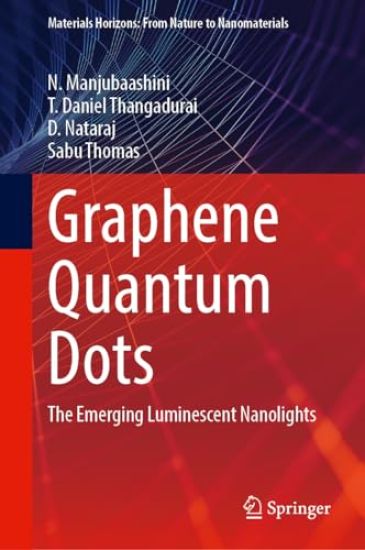
Graphene Quantum Dots

Graphene Quantum Dots

N. Manjubaashini; T. Daniel Thangadurai; D. Nataraj; Sabu Thomas

SPRINGER VERLAG, SINGAPORE
2024
sidottu
This book explores various unique characteristics of graphene quantum dots and their potential applications in a variety of fields. It provides an in-depth investigation of the present state of the art in graphene quantum dots, composites, hybrid structures, and other related topics. Various topics covered in this book are synthesis and characterization of graphene quantum dots, modelling and simulation, nanoscale applications nanosensors, bio-nanosensors, energy applications, industrial applications, healthcare applications, textile applications, and many more. Given the contents, this book is highly useful for material scientists and also the researchers and professionals in the areas of chemistry and physics.
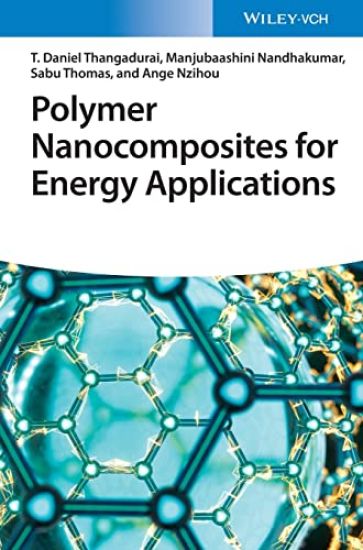
Polymer Nanocomposites for Energy Applications

Polymer Nanocomposites for Energy Applications

T. Daniel Thangadurai; Manjubaashini Nandhakumar; Sabu Thomas; Ange Nzihou

Wiley-VCH Verlag GmbH
2022
sidottu
Polymer Nanocomposites for Energy Applications Explore the science of polymer nanocomposites and their practical use in energy applications In Polymer Nanocomposites for Energy Applications, a team of distinguished researchers delivers a comprehensive review of the synthesis and characterization of polymer nanocomposites, as well as their applications in the field of energy. Succinct and insightful, the book explores the storage of electrical, magnetic, and thermal energy and hydrogen. It also discusses energy generation by polymer-based solar cells. Finally, the authors present a life cycle analysis of polymer nanocomposites for energy applications and provide four real-world case studies where these materials have been successfully used. Readers will also find: Thorough introductions to the origins and synthesis of polymer materials In-depth discussions of the characterization of polymeric materials, including UV-visible spectroscopy Comprehensive explorations of a wide variety of polymer material applications, including in biotechnology and for soil remediation Fulsome presentations of polymer nanocomposites and their use in energy storage systems Perfect for materials and engineering scientists and polymer chemists, Polymer Nanocomposites for Energy Applications will also earn a place in the libraries of professionals working in the chemical industry.
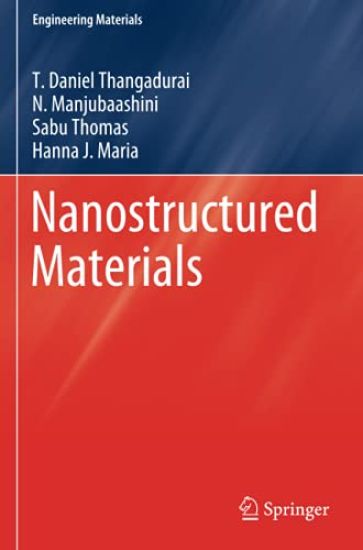
Nanostructured Materials

Nanostructured Materials

T. Daniel Thangadurai; N. Manjubaashini; Sabu Thomas; Hanna J. Maria

Springer Nature Switzerland AG
2021
nidottu
This book discusses the early stages of the development of nanostructures, including synthesis techniques, growth mechanisms, the physics and chemistry of nanostructured materials, various innovative characterization techniques, the need for functionalization and different functionalization methods as well as the various properties of nanostructured materials. It focuses on the applications of nanostructured materials, such as mechanical applications, nanoelectronics and microelectronic devices, nano-optics, nanophotonics and nano-optoelectronics, as well as piezoelectric, agriculture, biomedical and, environmental remediation applications, and anti-microbial and antibacterial properties. Further, it includes a chapter on nanomaterial research developments, highlighting work on the life-cycle analysis of nanostructured materials and toxicity aspects.
Nanostructured Materials

Nanostructured Materials

T. Daniel Thangadurai; N. Manjubaashini; Sabu Thomas; Hanna J. Maria

Springer Nature Switzerland AG
2020
sidottu
This book discusses the early stages of the development of nanostructures, including synthesis techniques, growth mechanisms, the physics and chemistry of nanostructured materials, various innovative characterization techniques, the need for functionalization and different functionalization methods as well as the various properties of nanostructured materials. It focuses on the applications of nanostructured materials, such as mechanical applications, nanoelectronics and microelectronic devices, nano-optics, nanophotonics and nano-optoelectronics, as well as piezoelectric, agriculture, biomedical and, environmental remediation applications, and anti-microbial and antibacterial properties. Further, it includes a chapter on nanomaterial research developments, highlighting work on the life-cycle analysis of nanostructured materials and toxicity aspects.