Kirjojen hintavertailu. Mukana 12 459 402 kirjaa ja 12 kauppaa.

Kirjailija

T.G. Carpenter

Kirjat ja teokset yhdessä paikassa: 3 kirjaa, julkaisuja vuosilta 1994-2020, suosituimpien joukossa Construction in the Landscape. Vertaile teosten hintoja ja tarkista saatavuus suomalaisista kirjakaupoista.

Mukana myös kirjoitusasut: T. G. Carpenter

3 kirjaa

Kirjojen julkaisuhaarukka 1994-2020.

Construction in the Landscape

Construction in the Landscape

T.G. Carpenter

Routledge
2020
nidottu
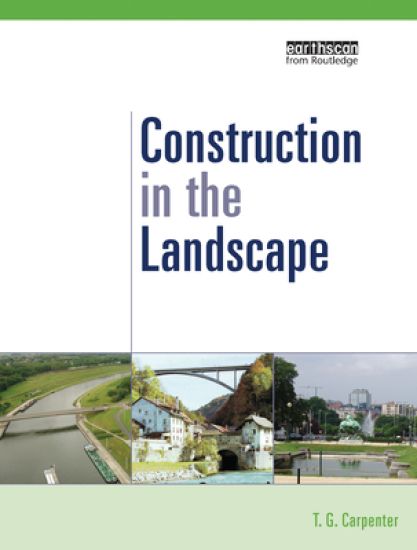
Construction in the Landscape describes the impact of construction on the land and landscape where it takes place. Geographical coverage is necessarily global to reflect the great variation both in people's economic and social needs and in the shortage or abundance of natural resources. Part one introduces both land resources, whether used for agriculture, human settlement or mineral extraction or conserved as scenery, wildlife habitat or for the undefined needs of future generations; and construction, its products, skills, processes and impacts on land resources. Part two describes specific forms of civil engineering – from landform adaptation, through dams and river control works, coastal construction and transport infrastructure to particular types of structure such as bridges, towers and power stations, or the layout of complete settlements. Part three deals with regional planning of construction and land use in different geographical circumstances – from fine scenery, through rural countryside to city and suburban development – and to the sort of land arrangements that may be sustainable for an increased but hopefully more civilized human population a century hence.
Construction in the Landscape

Construction in the Landscape

T.G. Carpenter

Earthscan Ltd
2011
sidottu
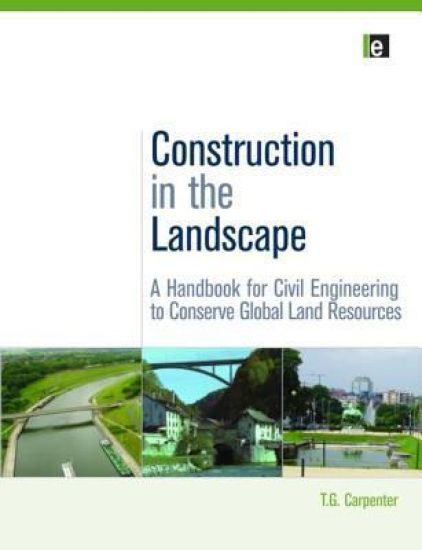
Construction in the Landscape describes the impact of construction on the land and landscape where it takes place. Geographical coverage is necessarily global to reflect the great variation both in people's economic and social needs and in the shortage or abundance of natural resources. Part one introduces both land resources, whether used for agriculture, human settlement or mineral extraction or conserved as scenery, wildlife habitat or for the undefined needs of future generations; and construction, its products, skills, processes and impacts on land resources. Part two describes specific forms of civil engineering – from landform adaptation, through dams and river control works, coastal construction and transport infrastructure to particular types of structure such as bridges, towers and power stations, or the layout of complete settlements. Part three deals with regional planning of construction and land use in different geographical circumstances – from fine scenery, through rural countryside to city and suburban development – and to the sort of land arrangements that may be sustainable for an increased but hopefully more civilized human population a century hence.
The Environmental Impact of Railways

The Environmental Impact of Railways

T. G. Carpenter

John Wiley Sons Inc
1994
sidottu
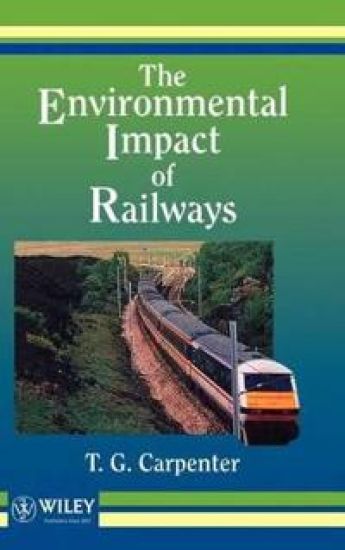
A renaissance in railways and the formal recognition of environmental priorities are both features of the last quarter of the twentieth century, but relatively little has been published about the individual and collective environmental impacts of railways. There is an urgent need to address the subject comprehensively. New railways are being planned in many countries and environmental assessment has become an essential element of planning. Most of the impacts of railways have existed for well over a hundred years and many of these continue to be relevant today. Some new issues, such as the operation of very fast trains or the routeing of tracks to carry them, require special attention. This book brings together the main planning and management issues concerning the way railways, established, newly-constructed, or upgraded, have an impact on the environment. It provides a step-by-step assessment of how the engineer, planner, environmental manager, transport specialist or railway operator should approach the resolution of railway development taking into account environmental priorities and the regulatory framework. Tom Carpenter brings a lifetime of first-hand management and consultancy experience to produce the first modern treatment of this important topic. Contents I. Railways and Planning Introduction Environmental planning Railway planning Passenger traffic Freight II. Impacts on People Social impacts and public perception Noise and vibration Pollution Visual impacts Construction III. Impacts on Resources Resource use and route selection Residential, commercial and productive land Nature conservation Heritage and amenity Railways in scenic landscape Environmental evaluation of land resources IV.Planning for the Twenty-first Century Environmental rail transport solutions