Kirjojen hintavertailu. Mukana 12 489 905 kirjaa ja 12 kauppaa.

Kirjailija

Tabish Khair

Kirjat ja teokset yhdessä paikassa: 10 kirjaa, julkaisuja vuosilta 2012-2024, suosituimpien joukossa Literature Against Fundamentalism. Vertaile teosten hintoja ja tarkista saatavuus suomalaisista kirjakaupoista.

10 kirjaa

Kirjojen julkaisuhaarukka 2012-2024.

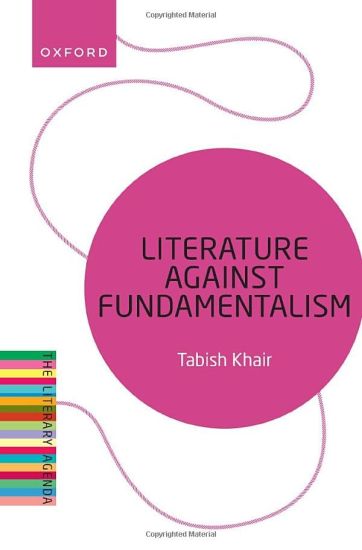
Literature Against Fundamentalism

Literature Against Fundamentalism

Tabish Khair

Oxford University Press
2024
nidottu
Acclaimed novelist and academic Tabish Khair argues that literature as a distinct mode of thinking can counteract fundamentalism. Literature is a mode of thinking, stories being one of the oldest thinking 'devices' known to humankind. The ways in which literature enables us to think are distinctive and necessary, because of the relationships between its material ('language') and its subject matter ('reality'). Although present in oral literature, these relationships are exposed in their full complexity with the rise of literature as a distinct form of writing. Literature Against Fundamentalism argues that literature enables us to engage with reality in language and language in reality, where both are mutually constitutive, constantly changing, and partly elusive. Tabish Khair defines this mode of engagement as essentially an agnostic one, resistant to simple dogma. Hence, literature can provide an antidote to fundamentalism. Khair argues that reading literature as literature--and not just as material for aesthetic, sociological, political, and other theoretical discourses--is essential for humanity. In the process, he offers a radical re-definition of literature, an illuminating engagement with religion and fundamentalism, a revaluation of the relationship between the sciences and humanities, and, finally, a call to literature as in 'a call to arms'.
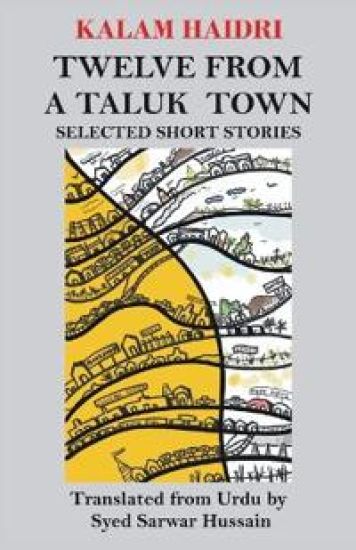
Twelve from a Taluk Town

Twelve from a Taluk Town

Tabish Khair; Kalam Haidri

Kitaab
2022
pokkari
Born in the ancient city of Munger, in the state of Bihar, Kalamul Haq, better known by his pen name, Kalam Haidri, was an Urdu short story writer, journalist, and literary critic, and is widely regarded as one of the important literary figures of twentieth century Urdu literature.One of the most out-spoken writers of his time, Haidri started his career as a journalist but soon accompanied his journalism withcreative writing. He was deeply influenced by socialist ideologies, and wrote extensively against the politics of sectarianism and religion.A full translation of his selected works into English has been long overdue. We hope that this anthology will fill that gap, affording further inspiration to young writers.
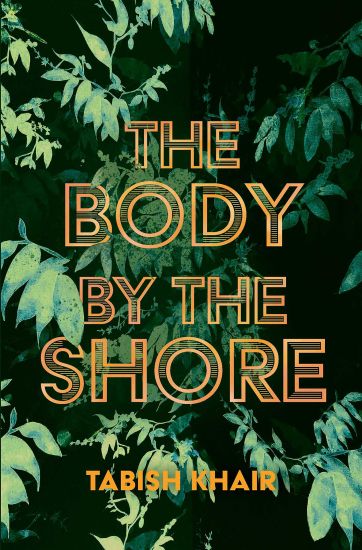
The Body By The Shore

The Body By The Shore

Tabish Khair

INTERLINK PUBLISHING GROUP, INC
2022
nidottu
Narrated from a post-pandemic world around 2030, but moving back in time through all of the 21st century, and even the 20th and the 19th, The Body by the Shore is a novel of suspense and speculation about the complexity of life and intricacy of the earth. When the narrative strands come together, a world of great terror and beauty is revealed to the reader. One that includes a killer receiving an assignment from the dead, a police officer who can't shake the image of a dead black man, a woman isolated on an oil rig with a man she doesn't fully understand and creature she can't comprehend.
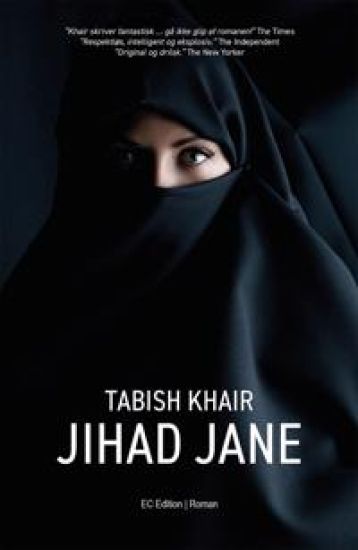
Jihad Jane

Jihad Jane

Tabish Khair

EC Edition
2018
nidottu
Ved første øjekast kunne Jamilla og Ameena ikke være mere forskellige. De er begge teenagepiger af sydasiatisk afstamning – født og opvokset i Yorkshire i Nordengland. Jamilla lever sammen med sin konservative muslimske familie og er stille, religiøs og dygtig i skolen. Den mere verdslige Ameena, der bor sammen med sin enlige mor, gemmer sin usikkerhed bag en flabet og fræk personlighed. De to piger finder sammen i et umage, skæbnesvangert venskab. Da Ameena bliver afvist af skolens populæreste, dreng udvikler hun en intens interesse for religion. Hun begynder at dyrke en militant version af Islam og kommunikerer via internettet med en kvinde, der fra Syrien rekrutterer til jihad – noget der også påvirker Jamilla. Efter faderens død og broderens giftermål forlader de to piger England og tilslutter sig Islamisk Stat i Syrien. Den intellektuelle og følelsesmæssige fattigdom, såvel som volden, de møder der, skaber en historie der både er gribende og hjerteskærende. “Historien rammer det inderste af din sjæl på samme måde som den bedste film, du nogensinde har set.” India Today “Khair skriver fantastisk … gå ikke glip af romanen!” The Times “Respektløs, intelligent og eksplosiv.” The Independent “Original og drilsk.” The New Yorker
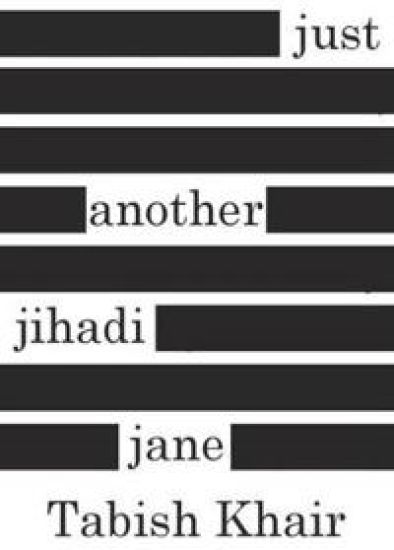
Just Another Jihadi Jane

Just Another Jihadi Jane

Tabish Khair

Interlink Books
2016
nidottu
A GRIPPING NOVEL THAT COMMENTS MOVINGLY ON OUR LIVES TODAY. IT BRILLIANTLY ENGAGES PREJUDICES AND PRECONCEPTIONS AND TURNS THEM UPSIDE DOWN. ?A novel about friendship, faith, and alienation, Just Another Jihadi Jane tells the tale of Islamist radicalization from the inside. Two children of Muslim immigrants in England's industrial north--thoughtful Jamilla and rebellious Ameena--become best friends, and find in religion and social media a community as welcoming and encouraging as their public education is estranging. After Jamilla's father dies and her brother marries, the two girls leave England and join the Islamist cause in Syria. The intellectual and emotional poverty as well as the violence they find there creates a story as gripping as it is heart-wrenching. As did All Quiet on the Western Front, Tabish Khair's novel reminds a new generation that heroism and sacrifice are not limited to one side in a conflict, and that the first victims of a murderous regime are those who live within it.
Just Another Jihadi Jane

Just Another Jihadi Jane

Tabish Khair

Periscope
2016
nidottu
At first glance, Jamilla and Ameena couldn’t be more different. Both are Yorkshire-born teenage girls of South Asian descent; but whereas Jamilla lives with her conservative Muslim family and is quiet, religious and academically bright, the more worldly Ameena masks her insecurity behind a brassy, bawdy persona and lives with her divorced mum. The two strike up an unlikely, fateful friendship. Ameena teases Jamilla about her hijab, nicknaming her `nunja’, but also accompanies her to a study group at the mosque as a lark. In the wake of a deeply bruising rejection by a popular boy at school, Ameena develops a serious interest in religion. She begins to espouse a militant version of Islam, and communicates over the Internet with a recruiter for jihad in Syria, influencing Jamilla in turn. Filled with a new sense of belonging as well as idealised visions of a new spiritual order, the girls flee England for Islamist Syria. Once there, Ameena marries a jihadi she met online. Jamilla, however, resists marriage and becomes a lieutenant to the wife of a powerful commander, whose `orphanage’ turns out jihadi brides and suicide bombers in equal measure. The girls slowly realise that their new reality is a narrow, brutal universe apart from the one they had imagined. Ameena copes by becoming ever more zealous, and increasingly dangerous to Jamilla. Cornered and desperate, Jamilla must figure out how to save herself from her former best friend…
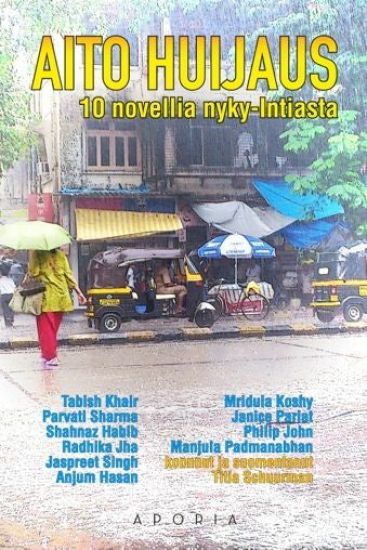
Aito huijaus

Aito huijaus

Tabish Khair; Parvati Sharma; Shahnaz Habib; Radhika Jha; Jaspreet Singh; Anjum Hasan; Mridula Koshy; Janice Pariat; Philip John; Manjula Padmanabhan

Aporia kustannus
2016
nidottu
Aina ei voi tietää, mikä on totta, mikä taas valhetta, huijausta tai kokonaan olematonta. Tämän kokoelman kymmenessä novellissa nykypäivän Intiaa, nopeasti kehittyvää mutta silti pitkien perinteiden leimaamaa yhteiskuntaa tarkastellaan milloin suurennuslasilla, milloin kaukoputkella - ja toisiaan kuin kaleidoskoopin läpi katsellen.Aito huijaus, kymmenen intialaisen nykynovellin kokoelma, esittelee kymmenen kirjailijaa: Tabish Khair, Parvati Sharma, Shahnaz Habib, Radhika Jha, Jaspreet Singh, Anjum Hasan, Mridula Koshy, Janice Pariat, Philip John ja Manjula Padmanabhan. He ovat kotoisin eri puolilta Intiaa ja edustavat eri kirjallisuudenlajeja arkisesta realismista fantasiaan. Yhteistä heille on se, että he kaikki kirjoittavat teoksensa englanniksi eikä kenenkään tekstejä ole aiemmin suomennettu. Antologian on koonnut ja suomentanut Titia Schuurman. Tarinoiden hahmot kotirouvasta sotavankiin ja sanomalehtimiehestä vampyyriin joutuvat kukin omalla tavallaan arvaamattomiin tilanteisiin, joissa matto tuntuu liukuvan niin henkilön kuin lukijankin jalkojen alta. Olipa kyseessä sitten arkipäiväinen yllätys tai olemassaolon perusteita ravisteleva tapahtuma tai havainto - yhtä kaikki se pakottaa kokijansa tarttumaan tilanteeseen omalla, omintakeisella ja usein yllättävällä tavallaan.
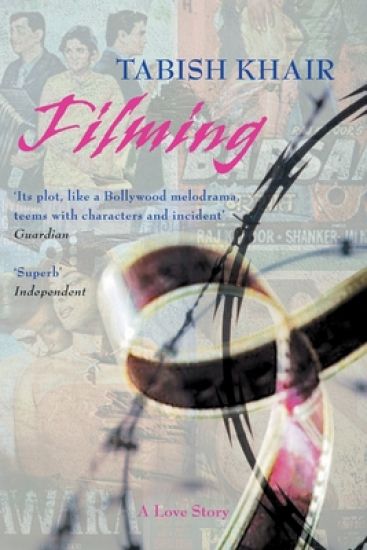
Filming

Filming

Tabish Khair

Picador
2012
pokkari
Set primarily in India and spanning the twentieth century, Filming tells a series of stories, including that of one-time prostitute Durga, who is persuaded to give away her young son, Ashok, and that of Saleem, the son of a prostitute and two-times star of the silver screen. As these stories intertwine and overlap, they combine to create a novel that is simultaneously about the small details and the bigger picture, weaving together major historical events – including Partition, the assassination of Gandhi, the rise of photography and the Bombay film industry, and the development of barbed wire – with the everyday moments that make up the fabric of our lives. ‘Its plot, like a Bollywood melodrama, teems with characters and incident’ Guardian ‘Elegantly structured and taut with understated passion, Filming is a brilliant recreation of the lost world of early cinema and the continuing tragedy of religious hatred . . . Its delights as well as its message should find admiring readers everywhere’ Independent ‘Absorbing . . . Filming is distinguished by its ambition, its structural inventiveness and its highly evocative prose’ TLS ‘Underpinning this intriguing novel is a concern for the truth . . . In keeping with Khair’s pertinent and thought-provoking musings on self-deception, its skill lies in making us question our assumptions about what we do and why we do it’ New Statesman