Kirjojen hintavertailu. Mukana 12 595 353 kirjaa ja 12 kauppaa.

Kirjailija

Tali Sharot

Kirjat ja teokset yhdessä paikassa: 11 kirjaa, julkaisuja vuosilta 2012-2025, suosituimpien joukossa Das optimistische Gehirn. Vertaile teosten hintoja ja tarkista saatavuus suomalaisista kirjakaupoista.

11 kirjaa

Kirjojen julkaisuhaarukka 2012-2025.

Look Again

Look Again

Tali Sharot; Cass R. Sunstein

Little, Brown Book Group
2025
pokkari
Two big name thinkers tackle a great question: why are we so often oblivious to things around us, from pollution and lying to bias and corruption? The useful human ability to adapt to all circumstances can lead to blindspots. Here's how to break the habit.
Look Again: The Power of Noticing What Was Always There

Look Again: The Power of Noticing What Was Always There

Tali Sharot; Cass R. Sunstein

Atria/One Signal Publishers
2025
nidottu
This "smart and fun read, and a valuable way to revitalize your life" (Walter Isaacson) deftly explains how disrupting our well-worn routines, both good and bad, can rejuvenate and reset our brains for the better. Have you ever noticed that what is exciting on Monday tends to become boring on Friday? Even passionate relationships, stimulating jobs, and breathtaking works of art lose their sparkle after a while. As easy as it is to stop noticing what is most wonderful in our lives, it's also possible to stop noticing what is terrible. People get used to dirty air. They become unconcerned by their own misconduct, blind to inequality, and are more liable to believe misinformation than ever before. Now, neuroscience professor Tali Sharot and Harvard law professor (and presidential advisor) Cass R. Sunstein investigate why we stop noticing both the great and not-so-great things around us and how to "dishabituate" at the office, in the bedroom, at the store, on social media, and in the voting booth. This groundbreaking and "sensational guide to a more psychological rich life" (Angela Duckworth, New York Times bestselling author), based on decades of research, illuminates how we can reignite the sparks of joy, innovate, and recognize where improvements urgently need to be made. The key to this disruption--to seeing, feeling, and noticing again--is change. By temporarily changing your environment, changing the rules, changing the people you interact with--or even just stepping back and imagining change--you regain sensitivity, allowing you to identify more clearly the bad and more deeply appreciate the good.
Look Again

Look Again

Tali Sharot; Cass R. Sunstein

Little, Brown
2024
nidottu
For fans of Thinking, Fast and Slow and The Power of Habit, a groundbreaking new study of how disrupting our well-worn routines, both good and bad, can rejuvenate our days and reset our brains to allow us to live happier and more fulfilling lives. Have you ever noticed that what is thrilling on Monday tends to become boring on Friday? Even exciting relationships, stimulating jobs, and breathtaking works of art lose their sparkle after a while. People stop noticing what is most wonderful in their own lives. They also stop noticing what is terrible. They get used to dirty air. They stay in abusive relationships. People grow to accept authoritarianism and take foolish risks. They become unconcerned by their own misconduct, blind to inequality, and are more liable to believe misinformation than ever before. But what if we could find a way to see everything anew? What if you could regain sensitivity, not only to the great things in your life, but also to the terrible things you stopped noticing and so don't try to change?
Look Again

Look Again

Tali Sharot; Cass R. Sunstein

Little, Brown Book Group
2024
sidottu
Two big name thinkers tackle a great question: why are we so often oblivious to things around us, from pollution and lying to bias and corruption? The useful human ability to adapt to all circumstances can lead to blindspots. Here's how to break the habit.
Look Again: The Power of Noticing What Was Always There

Look Again: The Power of Noticing What Was Always There

Tali Sharot; Cass R. Sunstein

Atria/One Signal Publishers
2024
sidottu
This "smart and fun read, and a valuable way to revitalize your life" (Walter Isaacson) deftly explains how disrupting our well-worn routines, both good and bad, can rejuvenate and reset our brains for the better. Have you ever noticed that what is exciting on Monday tends to become boring on Friday? Even passionate relationships, stimulating jobs, and breathtaking works of art lose their sparkle after a while. As easy as it is to stop noticing what is most wonderful in our lives, it's also possible to stop noticing what is terrible. People get used to dirty air. They become unconcerned by their own misconduct, blind to inequality, and are more liable to believe misinformation than ever before. Now, neuroscience professor Tali Sharot and Harvard law professor (and presidential advisor) Cass R. Sunstein investigate why we stop noticing both the great and not-so-great things around us and how to "dishabituate" at the office, in the bedroom, at the store, on social media, and in the voting booth. This groundbreaking and "sensational guide to a more psychological rich life" (Angela Duckworth, New York Times bestselling author), based on decades of research, illuminates how we can reignite the sparks of joy, innovate, and recognize where improvements urgently need to be made. The key to this disruption--to seeing, feeling, and noticing again--is change. By temporarily changing your environment, changing the rules, changing the people you interact with--or even just stepping back and imagining change--you regain sensitivity, allowing you to identify more clearly the bad and more deeply appreciate the good.
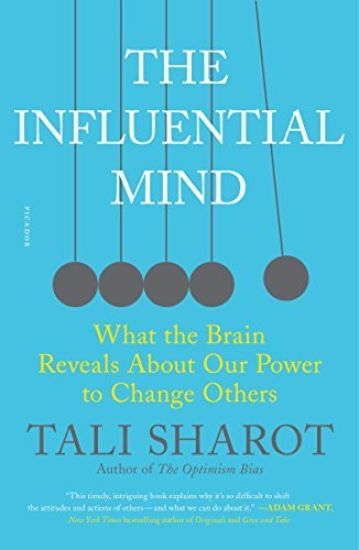
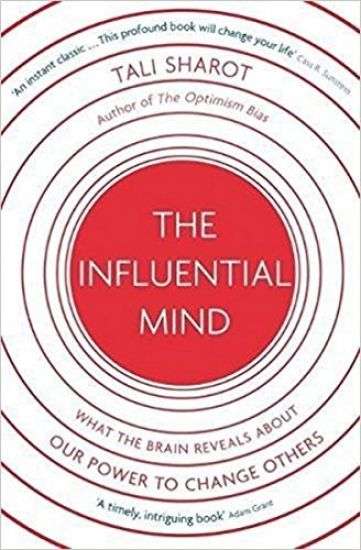
The Influential Mind: What the Brain Reveals about Our Power to Change Others
A cutting-edge, research-based inquiry into how we influence those around us, and how understanding the brain can help us change minds for the better. In The Influential Mind, neuroscientist Tali Sharot takes us on a thrilling exploration of the nature of influence. We all have a duty to affect others--from the classroom to the boardroom to social media. But how skilled are we at this role, and can we become better? It turns out that many of our instincts--from relying on facts and figures to shape opinions, to insisting others are wrong or attempting to exert control--are ineffective, because they are incompatible with how people's minds operate. Sharot shows us how to avoid these pitfalls, and how an attempt to change beliefs and actions is successful when it is well-matched with the core elements that govern the human brain. Sharot reveals the critical role of emotion in influence, the weakness of data and the power of curiosity. Relying on the latest research in neuroscience, behavioral economics, and psychology, the book provides fascinating insight into the complex power of influence, good and bad.
The Influential Mind: What the Brain Reveals about Our Power to Change Others
A cutting-edge, research-based inquiry into how we influence those around us and how understanding the brain can help us change minds for the better. In The Influential Mind, neuroscientist Tali Sharot takes us on a thrilling exploration of the nature of influence. We all have a duty to affect others--from the classroom to the boardroom to social media. But how skilled are we at this role, and can we become better? It turns out that many of our instincts--from relying on facts and figures to shape opinions, to insisting others are wrong or attempting to exert control--are ineffective, because they are incompatible with how people's minds operate. Sharot shows us how to avoid these pitfalls, and how an attempt to change beliefs and actions is successful when it is well-matched with the core elements that govern the human brain. Sharot reveals the critical role of emotion in influence, the weakness of data and the power of curiosity. Relying on the latest research in neuroscience, behavioral economics and psychology, the book provides fascinating insight into the complex power of influence, good and bad.
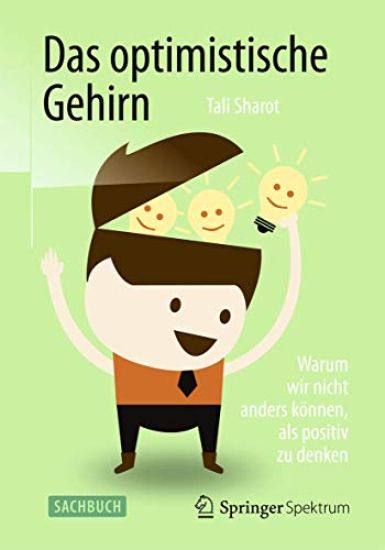
Das optimistische Gehirn

Das optimistische Gehirn

Tali Sharot

Springer Fachmedien Wiesbaden
2014
nidottu
Das Gehirn ist die Zuversicht in Person Wie erzeugt unser Gehirn Hoffnung? Wie bringt es uns dazu, positiv in die Zukunft zu blicken? Was geschieht, wenn ihm das nicht gelingt? Wie unterscheiden sich die Gehirne von Optimisten und Pessimisten? Warum ist für die einen das Glas halbvoll, für die anderen halbleer? Tali Sharots These: Optimismus ist so überlebenswichtig für uns, dass er in unserem kompliziertesten Organ, dem Gehirn, fest verankert ist. „Wir haben die rosarote Brille auf, als Acht- wie als Achtzigjährige … Dabei sind wir uns unserer Neigung zum Optimismus oft gar nicht bewusst. Im Grunde ist der unrealistische Optimismus gerade deshalb so machtvoll, weil er – wie viele andere Illusionen – gar nicht vollständig unserer bewussten Entscheidung zugänglich ist.“ Faszinierend … Selbst wenn Sie ein eingefleischter Zyniker sind, werden Sie überrascht sein zu erfahren, dass Ihr Gehirn eine rosarote Brille aufhat, ob Sie das nun mögen oder nicht.National Public Radio Sharot beschreibt ihre Forschung in packenden Geschichten und macht dabei die komplizierte Wissenschaft leicht zugänglich. Ein Buch für alle, die jene biologischen Prozesse verstehen wollen, die unsere Sicht auf die Welt bestimmen. Positive Psychology News Daily Ein intelligent geschriebener Bericht über die Neigung der meisten Menschen, das Leben optimistisch zu sehen. New York Journal of Books ____ Die Neurowissenschaftlerin Tali Sharot erkundet in diesem Buch unsere Neigung zum Optimismus, die auf neuronaler Ebene in unserem Gehirn festgeschrieben ist und entscheidend darüber mitbestimmt, wie wir unser Leben leben. Die meisten Menschen besitzen, wie die Psychologie schon lange weiß, eine unverbesserlich positive Weltsicht – auch wenn es ihnen selbst gar nicht bewusst ist. Vielleicht ist Optimismus sogar entscheidend für unsere Existenz. Tali Sharots Untersuchungen und Experimente auf dem Gebiet der Kognitionswissenschaft gewähren uns tiefe Einblicke in die biologischen Grundlagen des positiven Denkens. In ihrem leicht lesbaren Sachbuch zum Thema geht sie vielen spannenden Fragen auf den Grund: warum wir mit unseren Vermutungen darüber, was uns glücklich machen wird, so oft danebenliegen, welche Wirkung es hat, wenn wir Ereignisse vorwegnehmen oder fürchten, wie unser Gehirn Gefühle der Zuversicht und Hoffnung erzeugt und was passiert, wenn es sich irrt, wie sich die Gehirne von Optimisten und Pessimisten unterscheiden, wie Emotionen unser Erinnerungsvermögen beeinflussen oder wie unser unrealistischer Optimismus unsere finanziellen, beruflichen und emotionalen Entscheidungen prägt. Das optimistische Gehirn ist eine wissenschaftlich anspruchsvolle und gleichzeitig unterhaltsame Lektüre, die uns einen neuen Blick auf die Funktionsweise des Gehirns vermittelt.