Kirjojen hintavertailu. Mukana 12 390 323 kirjaa ja 12 kauppaa.

Kirjailija

Tamsin Grimmer

Kirjat ja teokset yhdessä paikassa: 14 kirjaa, julkaisuja vuosilta 2017-2024, suosituimpien joukossa Love and Nurture in the Early Years. Vertaile teosten hintoja ja tarkista saatavuus suomalaisista kirjakaupoista.

14 kirjaa

Kirjojen julkaisuhaarukka 2017-2024.

Loving Pedagogy Explained

Loving Pedagogy Explained

Tamsin Grimmer

TAYLOR FRANCIS LTD
2024
nidottu
What does it mean to adopt a loving pedagogy within early childhood? Have you ever wondered what terms like attunement really mean?Loving Pedagogy Explained highlights the importance of developing a loving pedagogy and explains key terms used within this approach. Unpicking terms like advocacy, attachment, attunement, belonging, compassion, emotion coaching, empathy and empowerment, this book uses practical examples and case studies to explain what it means in practice when we adopt this approach. It also considers how we might adopt a loving pedagogy in relation to our policies, describing this ethos in more detail.Divided into two parts, the first provides a brief overview of the key terms used when describing a loving pedagogy alongside examples of what they mean in practice. Part two looks more broadly at the ethos of early childhood settings and unpicks various aspects of a loving pedagogy, including: how to write a loving pedagogy policy, how a loving pedagogy links to supporting behaviour, how we can nurture our children through developing a loving pedagogy and staff training and development.Part of the Key Concepts in Early Childhood Series, this is essential reading for early years practitioners and students who want to know and understand the importance of adopting a loving pedagogy within early childhood.

Loving Pedagogy Explained

Loving Pedagogy Explained

Tamsin Grimmer

TAYLOR FRANCIS LTD
2024
sidottu
What does it mean to adopt a loving pedagogy within early childhood? Have you ever wondered what terms like attunement really mean?Loving Pedagogy Explained highlights the importance of developing a loving pedagogy and explains key terms used within this approach. Unpicking terms like advocacy, attachment, attunement, belonging, compassion, emotion coaching, empathy and empowerment, this book uses practical examples and case studies to explain what it means in practice when we adopt this approach. It also considers how we might adopt a loving pedagogy in relation to our policies, describing this ethos in more detail.Divided into two parts, the first provides a brief overview of the key terms used when describing a loving pedagogy alongside examples of what they mean in practice. Part two looks more broadly at the ethos of early childhood settings and unpicks various aspects of a loving pedagogy, including: how to write a loving pedagogy policy, how a loving pedagogy links to supporting behaviour, how we can nurture our children through developing a loving pedagogy and staff training and development.Part of the Key Concepts in Early Childhood Series, this is essential reading for early years practitioners and students who want to know and understand the importance of adopting a loving pedagogy within early childhood.
Love and Nurture in the Early Years

Love and Nurture in the Early Years

Aaron Bradbury; Tamsin Grimmer

SAGE PUBLICATIONS LTD
2024
sidottu
If ever there was a time for love and nurture it is now. Love and Nurture approaches are intertwined and impossible to focus on in isolation. This practical book for Early Years students and practitioners includes real-life case studies and practical examples alongside academic underpinning and essential theory. It supports students to understand and explore the need for and importance of Love and Nurture in early years practice. The book focuses on key child developmental factors including brain development, attachment awareness, love languages and nurturing touch, the science of nurture, the theory of love and nurture and building relational practice.
Love and Nurture in the Early Years

Love and Nurture in the Early Years

Aaron Bradbury; Tamsin Grimmer

SAGE PUBLICATIONS LTD
2024
nidottu
If ever there was a time for love and nurture it is now. Love and Nurture approaches are intertwined and impossible to focus on in isolation. This practical book for Early Years students and practitioners includes real-life case studies and practical examples alongside academic underpinning and essential theory. It supports students to understand and explore the need for and importance of Love and Nurture in early years practice. The book focuses on key child developmental factors including brain development, attachment awareness, love languages and nurturing touch, the science of nurture, the theory of love and nurture and building relational practice.
Nurturing Self-Regulation in Early Childhood

Nurturing Self-Regulation in Early Childhood

Tamsin Grimmer; Wendy Geens

TAYLOR FRANCIS LTD
2022
nidottu
Nurturing Self-Regulation in Early Childhood explores how young children develop self-regulation and offers practical guidance on helping them to manage their feelings and behaviour. It considers the skills, attitudes and dispositions children need to be able to self-regulate and how their wellbeing and self-esteem can affect their ability to do this.Grimmer and Geens show how schools and settings can adopt an ethos where self-regulation permeates their whole provision. Considering the broad and multifaceted nature of self-regulation and how this key area of development shapes children and their learning, the chapters cover:developing empathyemotion coachingthe practitioner as a co-regulatorexecutive function and the sense of self and wellbeinginternational approaches to promoting self-regulationthe role of the adult and environment in encouraging skills for self-regulationworking effectively with parents and carers to ensure a consistent approachWith a focus on developmentally appropriate expectations, this book is essential reading for all early childhood educators who want to develop their understanding of self-regulation and embrace an approach that underpins their practice and changes children’s lives.
Nurturing Self-Regulation in Early Childhood

Nurturing Self-Regulation in Early Childhood

Tamsin Grimmer; Wendy Geens

TAYLOR FRANCIS LTD
2022
sidottu
Nurturing Self-Regulation in Early Childhood explores how young children develop self-regulation and offers practical guidance on helping them to manage their feelings and behaviour. It considers the skills, attitudes and dispositions children need to be able to self-regulate and how their wellbeing and self-esteem can affect their ability to do this.Grimmer and Geens show how schools and settings can adopt an ethos where self-regulation permeates their whole provision. Considering the broad and multifaceted nature of self-regulation and how this key area of development shapes children and their learning, the chapters cover:developing empathyemotion coachingthe practitioner as a co-regulatorexecutive function and the sense of self and wellbeinginternational approaches to promoting self-regulationthe role of the adult and environment in encouraging skills for self-regulationworking effectively with parents and carers to ensure a consistent approachWith a focus on developmentally appropriate expectations, this book is essential reading for all early childhood educators who want to develop their understanding of self-regulation and embrace an approach that underpins their practice and changes children’s lives.
Supporting Behaviour and Emotions in the Early Years
Have you ever wondered why children behave the way they do or why they can become overwhelmed with emotions so quickly? This practical resource has been created to help educators effectively support their children’s behaviour and better understand their emotions. The book focuses on the idea that all behaviour is a form of communication and explores central areas such as self-regulation and attachment, offering strategies that can be used to support challenging behaviour. Each chapter includes examples of practice, reflective questions and an activity for the reader to help consolidate their learning and encourage them to become ‘behaviour detectives’. Key topics discussed include: • Attachment theory, adverse childhood experiences and the importance of feeling safe and secure in the home and setting.• Characteristics of children during conflict situations or moments of challenging behaviour.• Developmentally appropriate expectations for children, and why it is vital that expectations are realistic.• Emotion coaching and the significance of acknowledging and validating feelings.• Linking behaviour with schematic play. Written from first-hand experience and filled with practical advice as well as recommendations for further reading and resources, Supporting Behaviour and Emotions in the Early Years is an essential read for early years educators.
Supporting Behaviour and Emotions in the Early Years
Have you ever wondered why children behave the way they do or why they can become overwhelmed with emotions so quickly? This practical resource has been created to help educators effectively support their children’s behaviour and better understand their emotions. The book focuses on the idea that all behaviour is a form of communication and explores central areas such as self-regulation and attachment, offering strategies that can be used to support challenging behaviour. Each chapter includes examples of practice, reflective questions and an activity for the reader to help consolidate their learning and encourage them to become ‘behaviour detectives’. Key topics discussed include: • Attachment theory, adverse childhood experiences and the importance of feeling safe and secure in the home and setting.• Characteristics of children during conflict situations or moments of challenging behaviour.• Developmentally appropriate expectations for children, and why it is vital that expectations are realistic.• Emotion coaching and the significance of acknowledging and validating feelings.• Linking behaviour with schematic play. Written from first-hand experience and filled with practical advice as well as recommendations for further reading and resources, Supporting Behaviour and Emotions in the Early Years is an essential read for early years educators.
Developing a Loving Pedagogy in the Early Years
Care and caring are key to early childhood education and yet love can be viewed as a taboo word within early childhood settings. This book guides practitioners through the potentially problematic area of loving the children they care for. It shows where a loving pedagogy can fit within professional practice and how this can enrich experiences for children and educators. The book explores how educators can support their children by holding them in mind, valuing them and promoting their best interests. Focusing on how relationships, attachment and connections underpin our settings and practice, the chapters cover: the fundamentals of professional love appropriate touch in practice the different ways in which children feel loved the rights of the child empowering children through love working with parents and carers.Including case studies and questions for reflection, this is vital reading for practitioners wanting to develop a nurturing and loving pedagogy that places the child at the centre of their practice.
Developing a Loving Pedagogy in the Early Years
Care and caring are key to early childhood education and yet love can be viewed as a taboo word within early childhood settings. This book guides practitioners through the potentially problematic area of loving the children they care for. It shows where a loving pedagogy can fit within professional practice and how this can enrich experiences for children and educators. The book explores how educators can support their children by holding them in mind, valuing them and promoting their best interests. Focusing on how relationships, attachment and connections underpin our settings and practice, the chapters cover: the fundamentals of professional love appropriate touch in practice the different ways in which children feel loved the rights of the child empowering children through love working with parents and carers.Including case studies and questions for reflection, this is vital reading for practitioners wanting to develop a nurturing and loving pedagogy that places the child at the centre of their practice.
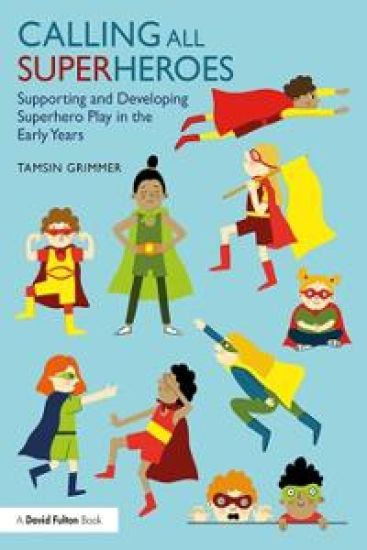
Calling All Superheroes: Supporting and Developing Superhero Play in the Early Years
Calling All Superheroes highlights the enormous potential of superhero play in supporting learning and development in early childhood. Using examples from practice, it provides guidance on how to effectively manage and implement superhero play and set appropriate boundaries in early years settings and schools.Illustrated with engaging photographs and case studies, the book gives ideas about how superhero play can be used to promote positive values and teach children essential life skills. Offering practical strategies and questions for reflection designed to facilitate further development, chapters address important topics and challenges such as: Child development, the characteristics of effective learning and the benefits of superhero play, including making sense of right and wrong and increasing moral awareness How to broach difficult themes like death, killing, weapons, aggressive play and gender-related issues Supporting children to recognise everyday heroes and how to find heroic abilities within themselves The role of the adults in managing superhero play, engaging parents and creating effective learning environments Written by a leading expert with 20 years’ experience in the early years sector, this book is an essential resource for early years teachers, practitioners and anyone with a key interest in young children’s education and learning.
Calling All Superheroes: Supporting and Developing Superhero Play in the Early Years
Calling All Superheroes highlights the enormous potential of superhero play in supporting learning and development in early childhood. Using examples from practice, it provides guidance on how to effectively manage and implement superhero play and set appropriate boundaries in early years settings and schools.Illustrated with engaging photographs and case studies, the book gives ideas about how superhero play can be used to promote positive values and teach children essential life skills. Offering practical strategies and questions for reflection designed to facilitate further development, chapters address important topics and challenges such as: Child development, the characteristics of effective learning and the benefits of superhero play, including making sense of right and wrong and increasing moral awareness How to broach difficult themes like death, killing, weapons, aggressive play and gender-related issues Supporting children to recognise everyday heroes and how to find heroic abilities within themselves The role of the adults in managing superhero play, engaging parents and creating effective learning environments Written by a leading expert with 20 years’ experience in the early years sector, this book is an essential resource for early years teachers, practitioners and anyone with a key interest in young children’s education and learning.
School Readiness and the Characteristics of Effective Learning

School Readiness and the Characteristics of Effective Learning

Tamsin Grimmer

Jessica Kingsley Publishers
2018
pokkari
This guide to understanding school readiness in young children is essential reading for early years practitioners. It explores the concept of school readiness by unpicking what the term means for children and how we can define it in the context of the characteristics of effective learning. This includes ideas for promoting playing and exploring, active learning and creating and thinking critically. The book also considers how we can ensure schools are ready to receive children and suggests ways in which preschools and nurseries can work collaboratively with schools and engage parents and carers to ensure a smooth transition.
Observing and Developing Schematic Behaviour in Young Children

Observing and Developing Schematic Behaviour in Young Children

Tamsin Grimmer

Jessica Kingsley Publishers
2017
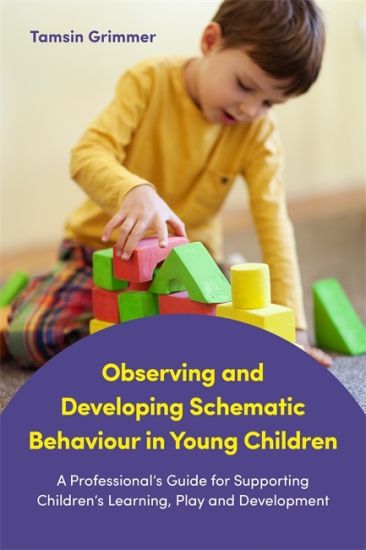
pokkari
Observing and understanding schematic behaviour confidently is vital for anyone working with or looking after young children. This guide explains what schemas are, stripping back the technical language often used to describe them, and how to interpret and extend schematic behaviour to benefit the child. It looks specifically at 12 different schemas, such as connection, rotation and transportation, and includes case studies, interpretation of the observations and practical ideas for how to use this information to aid children's learning, development and play.Making schemas and schematic behaviour more understandable, this book will give early years practitioners and parents the confidence to identify schemas and plan future learning opportunities to support children based on this knowledge.