Kirjojen hintavertailu. Mukana 12 595 353 kirjaa ja 12 kauppaa.
Kirjailija
Tapio Raunio
Kirjat ja teokset yhdessä paikassa: 9 kirjaa, julkaisuja vuosilta 2003-2025, suosituimpien joukossa The European Perspective. Vertaile teosten hintoja ja tarkista saatavuus suomalaisista kirjakaupoista.
First published in 1997, this volume provides a data-rich analysis of the party groups in the European Parliament. Their internal organisation, cohesion and coalition behaviour are examined. The main argument is that their internal organisation is a crucial factor in explaining the behaviour of EP party groups. Roll-call analysis is used to measure group cohesion and coalition behaviour. The concept of representation in the transnational EP is studied by a content analysis of members’ written questions. The concluding section sets the work into a broader context by discussing the future of Europarties.
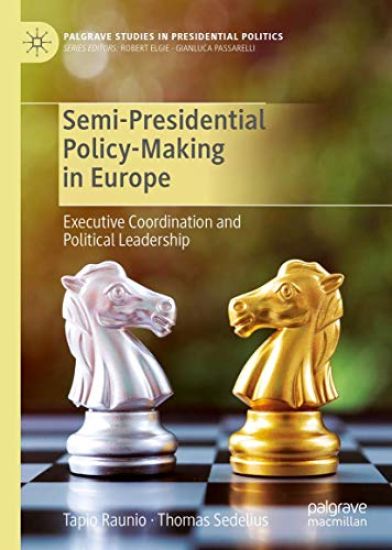
This book explores how power-sharing between the president and the prime minister works in semi-presidential regimes. In contrast to much of the existing comparative work on semi-presidentialism, the book emphasizes the role of institutional coordination at the most concrete level of executive policy-making, and asks how institutional coordination between the president and prime minister influences presidential activism and the balance of power within the executive. The authors develop a tentative framework embedded in institutionalism and based on four strands of research – semi-presidentialism, public administration, political leadership, and foreign policy analysis – which is subsequently applied to the cases of Lithuania, Romania and Finland. Given the political challenges facing many semi-presidential countries, the study ultimately seeks to identify institutional solutions that facilitate power-sharing and successful policy-making.
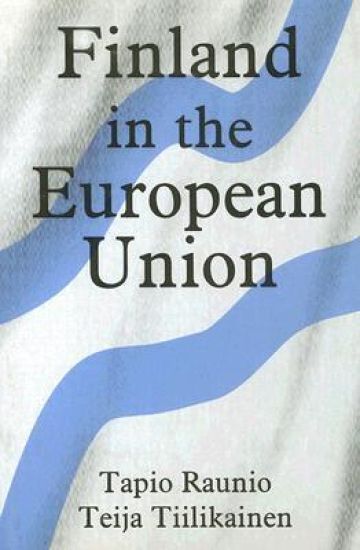
With a focus on governmental institutions, this book explores the ways in which EU membership has altered the balance of power among key political actors. The authors discuss cultural adaptation to integration, as well as examining the views of the elite and voters. The transformation in national identity, sovereignty and neutrality are also examined.
This book analyses the role of Europarties in the deepening of integration and the debates on the future of Europe. It is guided by three fundamental research questions: What strategies do Europarties utilize to advance their visions of Europe? What is the relative influence of the actors in the networks of the Europarties? How successful have the Europarties been in shaping the future of Europe? European integration cannot be understood without accounting for the impact of the Europarties. Theoretically, the book utilizes the concepts of advocacy and agenda-setting, identifying Europarties as transnational partisan actors operating at intergovernmental and supranational levels of EU decision-making. Europarties have consolidated their organizational structures, and more importantly, have over the decades built their own networks and coalitions that enable them to wield influence in ways rarely captured by previous studies. Empirically, the book investigates the networks and positions of the Europarties, constitutional reform processes, and the role of the Europarties and their EP political groups in the broader debates on the future of Europe.
First published in 1997, this volume provides a data-rich analysis of the party groups in the European Parliament. Their internal organisation, cohesion and coalition behaviour are examined. The main argument is that their internal organisation is a crucial factor in explaining the behaviour of EP party groups. Roll-call analysis is used to measure group cohesion and coalition behaviour. The concept of representation in the transnational EP is studied by a content analysis of members’ written questions. The concluding section sets the work into a broader context by discussing the future of Europarties.
This book explores how power-sharing between the president and the prime minister works in semi-presidential regimes. In contrast to much of the existing comparative work on semi-presidentialism, the book emphasizes the role of institutional coordination at the most concrete level of executive policy-making, and asks how institutional coordination between the president and prime minister influences presidential activism and the balance of power within the executive. The authors develop a tentative framework embedded in institutionalism and based on four strands of research – semi-presidentialism, public administration, political leadership, and foreign policy analysis – which is subsequently applied to the cases of Lithuania, Romania and Finland. Given the political challenges facing many semi-presidential countries, the study ultimately seeks to identify institutional solutions that facilitate power-sharing and successful policy-making.
With a focus on governmental institutions, this book explores the ways in which EU membership has altered the balance of power among key political actors. The authors discuss cultural adaptation to integration, as well as examining the views of the elite and voters. The transformation in national identity, sovereignty and neutrality are also examined.
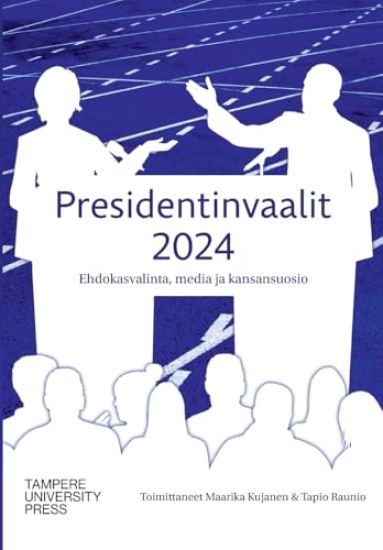
Tämä teos analysoi vaalien ehdokasvalintaa ja kampanjointia, median roolia vaaleissa sekä kansalaisten näkemyksiä presidentin valta-asemasta. Samalla kirja tarjoaa uusia avauksia Suomen presidentti-instituution arviointiin, myös kansainvälisestä vertailevasta näkökulmasta. Teoksen luvut nojaavat ensisijaisesti vaalien jälkeen kerättyyn kyselyaineistoon. Vaalikampanjoissa korostuivat Venäjän hyökkäyssota Ukrainassa ja tuore Nato-jäsenyys, mutta keskusteluissa liikuttiin myös sisäpoliittisissa teemoissa, jotka eivät kuulu presidentin toimivaltaan. Ehdokkaat varoivat tekemästä irtiottoja ja vaalit käytiinkin pitkälti turvallisuus edellä, sovittelevassa hengessä. Ehdokasvalinnassa korostuivat ehdokkaiden ulkopoliittinen kokemus, poliittinen tausta sekä heidän arvonsa. Jatkuva gallupien tulva hyödytti kärkiehdokkaita. Presidentin muodollinen valta on rajallista, mutta asema valtionpäänä, jännittynyt turvallisuusympäristö ja suuri kansansuosio mahdollistavat aktiivisenkin vaikutusvallan. Kansainvälisessä vertailussa suomalaiset presidentit ovatkin poikkeuksellisen suosittuja. Suomalaiset toivovat presidentti-instituutiolta vakautta ja johtajuutta niin muodollisten valtaoikeuksien kuin presidentin toimintatyylin osalta. Presidentin asemaa tulee jatkossakin tarkastella kriittisesti, samoin kannatusmittausten korostunutta roolia vaaleissa.