Kirjojen hintavertailu. Mukana 12 390 323 kirjaa ja 12 kauppaa.

Kirjailija

Ted Nannicelli

Kirjat ja teokset yhdessä paikassa: 5 kirjaa, julkaisuja vuosilta 2012-2020, suosituimpien joukossa Appreciating the Art of Television. Vertaile teosten hintoja ja tarkista saatavuus suomalaisista kirjakaupoista.

5 kirjaa

Kirjojen julkaisuhaarukka 2012-2020.

Artistic Creation and Ethical Criticism

Artistic Creation and Ethical Criticism

Ted Nannicelli

Oxford University Press Inc
2020
sidottu
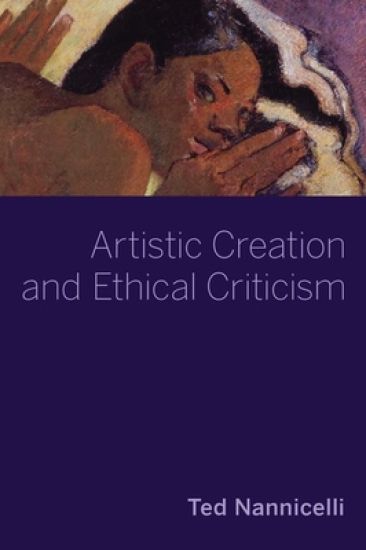
Artistic Creation and Ethical Criticism, a study in philosophical aesthetics, investigates an idea that underpins the ethical criticism of art but that is rarely acknowledged and poorly understood - namely, that the ethical criticism of art involves judgments not only of the attitudes a work endorses or solicits, but of what artists do to create the work. The book pioneers an innovative production-oriented approach to the study of the ethical criticism of art - one that will provide a detailed philosophical account of the intersection of ethics and artistic creation as well as conceptual tools that can guide future philosophizing and criticism. Ted Nannicelli offers three arguments concerning the ethical criticism of art. First, he argues that judgments of an artwork's ethical value are already often made in terms of how it was created, and examines why some art forms more readily lend themselves to this form of ethical appraisal than others. He then asserts that production-oriented evaluations of artworks are less contested than other sorts of ethical criticism and so lead to certain practical consequences-from censure, dismissal, and prosecution to shifts in policy and even legislation. Finally, Nannicelli defends the production-oriented approach, arguing that it is not only tacit in many of our art appreciative practices, but is in fact rationally warranted. There are many cases in which we should ethically critique artworks in terms of how they are created because this approach handles cases that other approaches cannot and results in plausible judgments about the works' relative ethical and artistic value. The concise, powerful arguments presented here will appeal to moral philosophers, philosophers of art and aesthetics, and critics interested in the intersection of artistic production and criticism and ethics.
Appreciating the Art of Television

Appreciating the Art of Television

Ted Nannicelli

Routledge
2019
nidottu
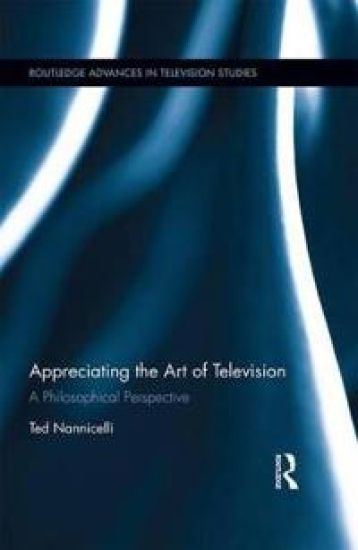
Contemporary television has been marked by such exceptional programming that it is now common to hear claims that TV has finally become an art. In Appreciating the Art of Television, Nannicelli contends that televisual art is not a recent development, but has in fact existed for a long time. Yet despite the flourishing of two relevant academic subfields—the philosophy of film and television aesthetics—there is little scholarship on television, in general, as an art form. This book aims to provide scholars active in television aesthetics with a critical overview of the relevant philosophical literature, while also giving philosophers of film a particular account of the art of television that will hopefully spur further interest and debate. It offers the first sustained theoretical examination of what is involved in appreciating television as an art and how this bears on the practical business of television scholars, critics, students, and fans—namely the comprehension, interpretation, and evaluation of specific televisual artworks.
Appreciating the Art of Television

Appreciating the Art of Television

Ted Nannicelli

Routledge
2016
sidottu
Contemporary television has been marked by such exceptional programming that it is now common to hear claims that TV has finally become an art. In Appreciating the Art of Television, Nannicelli contends that televisual art is not a recent development, but has in fact existed for a long time. Yet despite the flourishing of two relevant academic subfields—the philosophy of film and television aesthetics—there is little scholarship on television, in general, as an art form. This book aims to provide scholars active in television aesthetics with a critical overview of the relevant philosophical literature, while also giving philosophers of film a particular account of the art of television that will hopefully spur further interest and debate. It offers the first sustained theoretical examination of what is involved in appreciating television as an art and how this bears on the practical business of television scholars, critics, students, and fans—namely the comprehension, interpretation, and evaluation of specific televisual artworks.
A Philosophy of the Screenplay

A Philosophy of the Screenplay

Ted Nannicelli

Routledge
2016
nidottu
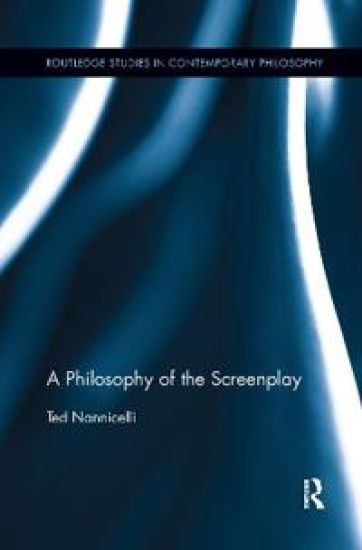
Recently, scholars in a variety of disciplines—including philosophy, film and media studies, and literary studies—have become interested in the aesthetics, definition, and ontology of the screenplay. To this end, this volume addresses the fundamental philosophical questions about the nature of the screenplay: What is a screenplay? Is the screenplay art—more specifically, literature? What kind of a thing is a screenplay? Nannicelli argues that the screenplay is a kind of artefact; as such, its boundaries are determined collectively by screenwriters, and its ontological nature is determined collectively by both writers and readers of screenplays. Any plausible philosophical account of the screenplay must be strictly constrained by our collective creative and appreciative practices, and must recognize that those practices indicate that at least some screenplays are artworks.
A Philosophy of the Screenplay

A Philosophy of the Screenplay

Ted Nannicelli

Routledge
2012
sidottu
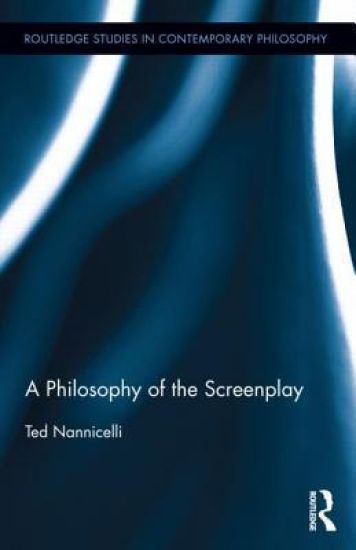
Recently, scholars in a variety of disciplines—including philosophy, film and media studies, and literary studies—have become interested in the aesthetics, definition, and ontology of the screenplay. To this end, this volume addresses the fundamental philosophical questions about the nature of the screenplay: What is a screenplay? Is the screenplay art—more specifically, literature? What kind of a thing is a screenplay? Nannicelli argues that the screenplay is a kind of artefact; as such, its boundaries are determined collectively by screenwriters, and its ontological nature is determined collectively by both writers and readers of screenplays. Any plausible philosophical account of the screenplay must be strictly constrained by our collective creative and appreciative practices, and must recognize that those practices indicate that at least some screenplays are artworks.