Kirjojen hintavertailu. Mukana 12 305 142 kirjaa ja 12 kauppaa.

Kirjailija

Temi Odumosu

Kirjat ja teokset yhdessä paikassa: 3 kirjaa, julkaisuja vuosilta 2017-2021, suosituimpien joukossa BAT: Bridging Art + Text. Vertaile teosten hintoja ja tarkista saatavuus suomalaisista kirjakaupoista.

3 kirjaa

Kirjojen julkaisuhaarukka 2017-2021.

BAT: Bridging Art + Text

BAT: Bridging Art + Text

Michelle Eistrup; Anders Juhl; Bárbaro Martìnez-Ruìz; C. Daniel Dawson; Carlos Moore; Christopher Cozier; Dudley Joseph Thompson; Ebony G. Patterson; Ery Cámara; James Muriuki; Joseph Adandé; Kenneth Dossar; Nicholas Laughlin; Robert Farris Thompson; Britt Kramvig; Catherine Lefebvre; Charl Landvreugd; Gillion Grantsaan; Jeannette Ehlers; Noufel Bouzeboudja; Patricia Kaersenhout; Sasha Huber; Søren Assenholt; Temi Odumosu; Yo-Yo Gonthier; Yvette Brackman m.fl.

Hurricane
2017
muu
BAT: Bridging Art + Text viser komplekse historiske og nutidige forbindelser med værker og tekster af over 50 internationale kunstnere, forskere, kuratorer og forfattere.Bind I præsenterer kunst og performance med spiritualitet. Bind II præsenterer kunstnerne, som modarbejder racisme og diskrimination, og fremmer forskellige stemmer og identiteter. Bind III fokuserer på kritik af historiske hændelser og deres påvirkning af vores samtid.Med: Anders Juhl, Britt Kramvig, Catherine Lefebvre, Charl Landvreugd, Gillion Grantsaan, Jeannette Ehlers, Noufel Bouzeboudja, Patricia Kaersenhout, Sasha Huber, Søren Assenholt, Temi Odumosu, Yo-Yo Gonthier, Yvette Brackman m.fl.
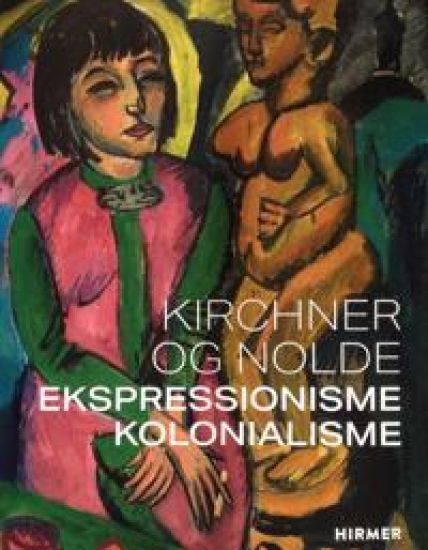
Kirchner og Nolde

Kirchner og Nolde

Dorthe Aagesen; Beatrice von Bormann; Silvia Dolz; Rebekka Habermas; Mette Houlberg Rung; Nancy Jouwe; Dicky Takndare; Natasha A. Kelly; Laetitia Lei; Patrice Nganang; Temi Odumosu; H. Glenn Penny; Amanda Pinatih; Aya Soika; Hilke Thode-Arora; Anna Vestergaard Jørgensen; Fanny Wonu Veys; Andrew Zimmerman

SMK Forlag
2021
nidottu
Ernst Ludwig Kirchner og Emil Nolde er hovedskikkelser i den tyske ekspressionistiske bevægelse. De vendte sig bort fra det europæiske samfund og de etablerede normer i tidens borgerlige kultur og søgte i stedet inspiration i mennesker, livsformer og genstande fra andre dele af verden, især Afrika og Oceanien. I denne bog undersøges Noldes og Kirchners kunst på baggrund af deres historiske og ideologiske kontekst. Her afdækkes forbindelser mellem værkerne og den racetænkning og undertrykkelse, som også er en del af europæisk historie. Dermed afsløres en række mindre kendte og mere voldelige sider af ekspressionismen. Denne publikation er udgivet i anledning af udstillingerne om Nolde og Kirchners virke i 1910'erne, organiseret af SMK - Statens Museum for Kunst, København og Stedelijk Museum Amsterdam i samarbejde med Brücke-Museum, Berlin
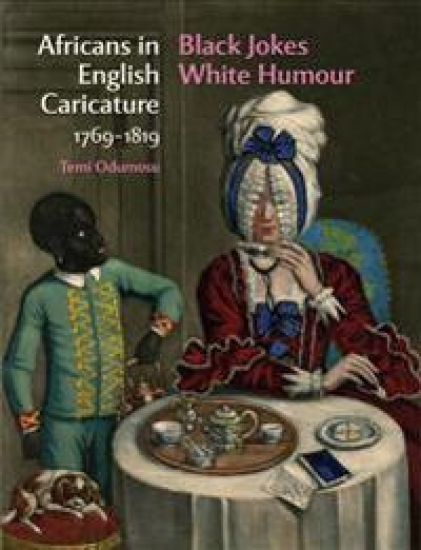
Africans in English Caricature 1769-1819

Africans in English Caricature 1769-1819

Temi Odumosu

Harvey Miller Publishers
2017
sidottu
Between 1769 and 1819 London experienced an unprecedented growth in the proliferation of texts and images in the popular sphere, engaging learned citizens in discussion and commentary on the most pressing social and political issues of the day. From the repeal of the Stamp Act to the French revolution, the local Westminster election or the abolition of the slave trade, these prints, political pamphlets, plays, novels and periodicals collaborated (sometimes intentionally) in critique, praise and assessment of the country's changing socio-economic climate. African people were a critical aspect of this world of images, and their presence conveyed much about the implications of travel, colonialism and slavery on the collective psyche. Whether encountered on the streets of the city, in opulent stately homes, or in tracts describing the horrors of the slave trade, the British paid attention to Africans (consciously or not), and developed a means of expressing the impact of these encounters through images. Scholarship has begun to interrogate the presence of Africans in British art of this period, but very little has been written about their place in visual and literary humour created in a metropolitan context. This book fills this scholarly lacuna, exploring how and why satirical artists both mocked and utilized these characters as subversive comic weaponry.