Kirjojen hintavertailu. Mukana 12 390 323 kirjaa ja 12 kauppaa.

Kirjailija

Terence McLaughlin

Kirjat ja teokset yhdessä paikassa: 5 kirjaa, julkaisuja vuosilta 1995-2022, suosituimpien joukossa Deconstructing Psychopathology. Vertaile teosten hintoja ja tarkista saatavuus suomalaisista kirjakaupoista.

5 kirjaa

Kirjojen julkaisuhaarukka 1995-2022.

Deconstructing Psychopathology

Deconstructing Psychopathology

Ian Patrick; Eugenie Georgaca; David Harper; Terence McLaughlin; Mark Stowell-Smith

SAGE Publications Ltd
1995
sidottu
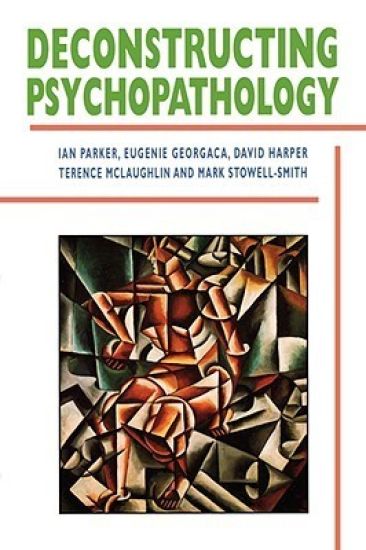
`Fast becoming a contemporary classic... this book tries both to be critical and engender critical thinking in a number of ways. It offers an overview of a number of theories that address human distress as well as particular forms of "pathology". This book effectively highlights the way that western society has taken "normal"; and "abnormal" emotional states to be factual entities rather than the constructed understandings of human phenomena that they are.... should be on the reading list of every course/module that attends to human distress' - Journal of the Society for Existential Analysis This practical and accessible critique of the institutions, practices and presuppositions that underlie the study of `psychopathology' will be invaluable for students and practitioners who are working to understand mental health and distress. The authors - who come from backgrounds in clinical psychology, psychiatric social work, psychoanalysis, psychology teaching and action research - challenge the traditions of the field. They analyze the notion of `psychopathology' as a conventional term in psychology and psychiatry through the language and institutions that hold it in place; and explore the implications of deconstructive ideas for the theories and practices that sustain clinical treatments; and offer an alternative way of seeing `psychopathology', with accounts of critical professional work and good practice. Deconstructing Psychopathology is invaluable reading for students, academics and practitioners across a range of disciplines who are working to understand mental health and distress, including clinical and counselling psychology, psychiatry, psychiatric social work, counselling and psychotherapy.
Deconstructing Psychopathology

Deconstructing Psychopathology

Ian Patrick; Eugenie Georgaca; David Harper; Terence McLaughlin; Mark Stowell-Smith

SAGE Publications Ltd
1995
nidottu
`Fast becoming a contemporary classic... this book tries both to be critical and engender critical thinking in a number of ways. It offers an overview of a number of theories that address human distress as well as particular forms of "pathology". This book effectively highlights the way that western society has taken "normal"; and "abnormal" emotional states to be factual entities rather than the constructed understandings of human phenomena that they are.... should be on the reading list of every course/module that attends to human distress' - Journal of the Society for Existential Analysis This practical and accessible critique of the institutions, practices and presuppositions that underlie the study of `psychopathology' will be invaluable for students and practitioners who are working to understand mental health and distress. The authors - who come from backgrounds in clinical psychology, psychiatric social work, psychoanalysis, psychology teaching and action research - challenge the traditions of the field. They analyze the notion of `psychopathology' as a conventional term in psychology and psychiatry through the language and institutions that hold it in place; and explore the implications of deconstructive ideas for the theories and practices that sustain clinical treatments; and offer an alternative way of seeing `psychopathology', with accounts of critical professional work and good practice. Deconstructing Psychopathology is invaluable reading for students, academics and practitioners across a range of disciplines who are working to understand mental health and distress, including clinical and counselling psychology, psychiatry, psychiatric social work, counselling and psychotherapy.
Home-Grown Harvest

Home-Grown Harvest

Eve McLaughlin; Terence McLaughlin

DAVID CHARLES
2022
nidottu
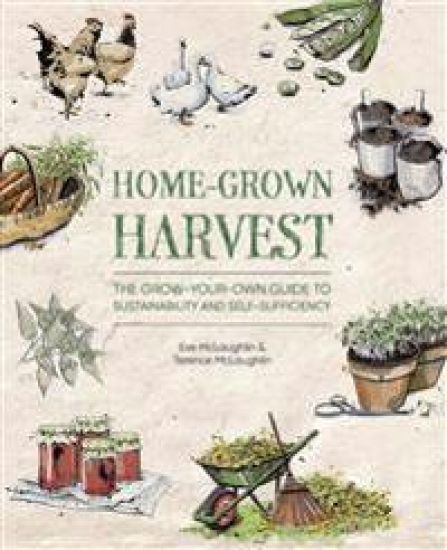
Grow your way to happiness with this practical handbook for a more sustainable life. Whether you have a large country garden or a small backyard in the city, this essential guide to the 'Good Life' will help you on your journey to becoming more self-sufficient - which is something we all need to be thinking about. Climate change, industrial farming with its reliance on chemicals, rising food prices, fears over food security or just a desire to spend more time outdoors - there are many reasons driving people towards homegrown food and self-sufficiency. Growing your own fruit and vegetables, preserving your produce and generating your own energy are all covered in this thrifty guide by the original 'Tom and Barbara', Eve and Terence McLaughlin, who wrote the first edition of this book in 1979. This information-packed book has expert advice on growing, harvesting, storing and preserving your produce. You can brew your own beer and learn how to bottle, cure, smoke and pickle your produce to make it last longer. The book features easy-to-follow instructions for DIY tools and equipment to save money, reduce energy consumption and cut back on waste. Learn how to plan your site, explore the best planting times and methods, discover how to grow a variety of vegetables, fruit and nuts, and how to deal with pests and diseases. As well as growing your own food, the book also covers the basics of keeping livestock - including chickens, ducks, goats and pigs - and how to harness alternative energy sources such as solar and wind power. Putting your own food on the table and playing your part in creating a more sustainable future is hugely rewarding and also has health benefits - the physical exercise of planting and harvesting, the mental wellness that comes with spending time in nature, and the reduction in chemicals in the food you eat - there is so much in this activity that fosters greater wellbeing. Whether you're planning a move to full-blown self-sufficiency or are just curious about what's involved and want to take your first steps to growing your own food, this essential guide has everything you need to know.
Dirt

Dirt

Terence McLaughlin

Echo Point Books Media
2020
sidottu
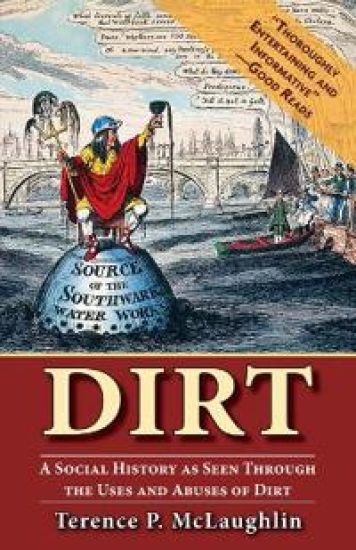
Delve Into the Fascinating World of DirtDirt is a matter of opinion, according to public health and hygiene authority Terence McLaughli. In this engaging, thoroughly-researched, and often humorous study of the "imperfections" of human existence and our relationship to them, McClaughlin dissects human attitudes about the slime, mud, stench and filth which has accompanied society through history.Our notion of cleanliness has a marked cultural aspect. For instance, McLaughlin cites Old Testament examples of cleanliness which, unbeknownst at the time, helped protect observant followers from the plague. The famous baths of ancient Rome were seen as progress for personal hygiene, and later scorned by Christians who rejected all things Roman. McLaughlin recites a long litany of examples of how we accept or reject substances, exploring why we dislike sensations such as stickiness and sliminess. Cultural attitudes about everything from factory smoke to personal hygiene are constantly shifting with the economic and political exigencies of the era.In this age of pandemic viruses, there has never been a more important time to observe how people think about the possible contaminants around us. Dirt is a key resource for anyone wishing to understand humanity's role in shaping our environment.
Dirt

Dirt

Terence McLaughlin

Echo Point Books Media
2020
pokkari
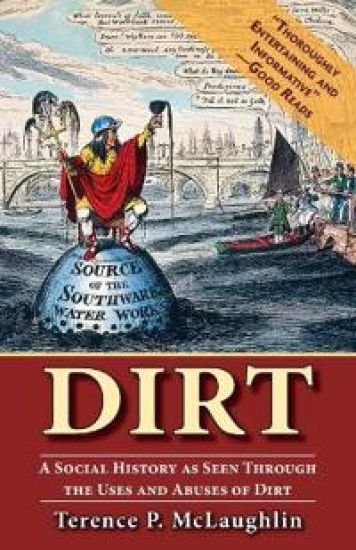
Delve Into the Fascinating World of DirtDirt is a matter of opinion, according to public health and hygiene authority Terence McLaughli. In this engaging, thoroughly-researched, and often humorous study of the "imperfections" of human existence and our relationship to them, McClaughlin dissects human attitudes about the slime, mud, stench and filth which has accompanied society through history.Our notion of cleanliness has a marked cultural aspect. For instance, McLaughlin cites Old Testament examples of cleanliness which, unbeknownst at the time, helped protect observant followers from the plague. The famous baths of ancient Rome were seen as progress for personal hygiene, and later scorned by Christians who rejected all things Roman. McLaughlin recites a long litany of examples of how we accept or reject substances, exploring why we dislike sensations such as stickiness and sliminess. Cultural attitudes about everything from factory smoke to personal hygiene are constantly shifting with the economic and political exigencies of the era.In this age of pandemic viruses, there has never been a more important time to observe how people think about the possible contaminants around us. Dirt is a key resource for anyone wishing to understand humanity's role in shaping our environment.