Kirjojen hintavertailu. Mukana 12 595 353 kirjaa ja 12 kauppaa.

Kirjailija

Teresa Eckmann

Kirjat ja teokset yhdessä paikassa: 2 kirjaa, julkaisuja vuosilta 2011-2024, suosituimpien joukossa Julio Galán. Vertaile teosten hintoja ja tarkista saatavuus suomalaisista kirjakaupoista.

2 kirjaa

Kirjojen julkaisuhaarukka 2011-2024.

Julio Galán

Julio Galán

Teresa Eckmann

UNIVERSITY OF NEW MEXICO PRESS
2024
pokkari
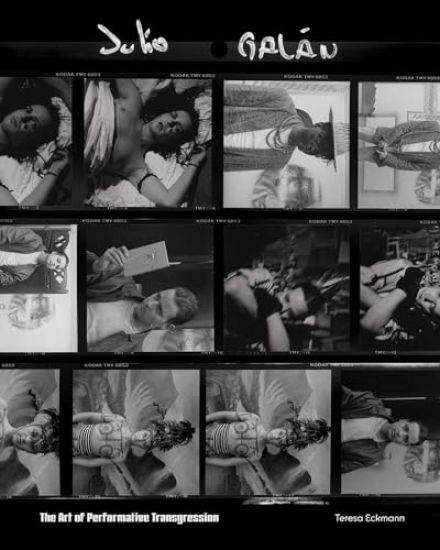
From his provincial origins in the small northern Mexico town of Múzquiz, Coahuila, to his meteoric rise in Manhattan's East Village art scene, to having achieved international standing at the time of his early death at forty-seven, Julio Galán was radically transgressive. The artist extended contemporary Mexican painting beyond the cultural criticism of Neo-Mexicanism (neomexicanismo), redefining Mexican identity as gender-expansive in his art. Galán combined gender-fluid imagery, his performative persona, queer self-representation, and cross-cultural visual and textual references to create large-scale, layered, dialogical visual puzzles. An artist ahead of his time, Galán's content and imagery is relevant to contemporary LGBTQ+ social movements.Replete with full-color reproductions of Galán's artwork and photographic material, Teresa Eckmann's book serves as the first English-language monograph on the artist's life and work. Anyone interested in art in Mexico and Latin America will find this book an indispensable addition to their library, and it will be a core book on the study of this artist for decades to come.
Neo-Mexicanism

Neo-Mexicanism

Teresa Eckmann

University of New Mexico Press
2011
sidottu
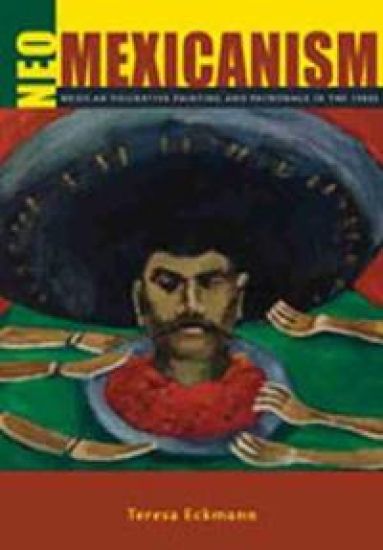
Art has the classic ability to reflect and comment on the larger cultural processes taking place around it. While neomexicanidad (neo-Mexicanism), an artistic tendency that emerged in Mexican art of the 1980s, has often been regardedâ?""and dismissed??""as strictly folkloric, others argue that there are many sources of inspiration for neo-Mexicanist art and that it expresses a range of attitudes toward national identity and institutions that include humor, nostalgia, irreverence, and subtle criticism. In this analysis, Teresa Eckmann proposes that 1980s neo-Mexicanist art is infused with an undercurrent of disenchantment that reflects personal responses to the economic and social stagnation, low foreign investment, natural disasters, political corruption, oppression, and general state of crisis that marked the decade. Neo-Mexicanist art has not typically been the subject of critical study. Eckmann attempts to fill this void in scholarship, addressing such important questions as how neo-Mexicanism has been defined, what its motivations and influences are, how it has been promoted and interpreted, and to what extent that patronage has influenced the development and construction of the movement.