Kirjojen hintavertailu. Mukana 12 390 323 kirjaa ja 12 kauppaa.
Kirjailija
Terry Flew
Kirjat ja teokset yhdessä paikassa: 14 kirjaa, julkaisuja vuosilta 2011-2021, suosituimpien joukossa Key Concepts in Creative Industries. Vertaile teosten hintoja ja tarkista saatavuus suomalaisista kirjakaupoista.
This guide to the emerging language of creative industries field is a valuable resource for researchers and students alike. Concise, extensively referenced, and accessible, this this is an exceptionally useful reference work. - Gauti Sigthorsson, Greenwich University "There could be no better guides to the conceptual map of the creative industries than John Hartley and his colleagues, pioneers in the field. This book is a clear, comprehensive and accessible tool-kit of ideas, concepts, questions and discussions which will be invaluable to students and practitioners alike. Key Concepts in Creative Industries is set to become the corner stone of an expanding and exciting field of study" - Chris Barker, University of Wollongong Creativity is an attribute of individual people, but also a feature of organizations like firms, cultural institutions and social networks. In the knowledge economy of today, creativity is of increasing value, for developing, emergent and advanced countries, and for competing cities. This book is the first to present an organized study of the key concepts that underlie and motivate the field of creative industries. Written by a world-leading team of experts, it presents readers with compact accounts of the history of terms, the debates and tensions associated with their usage, and examples of how they apply to the creative industries around the world. Crisp and relevant, this is an invaluable text for students of the creative industries across a range of disciplines, especially media, communication, economics, sociology, creative and performing arts and regional studies.
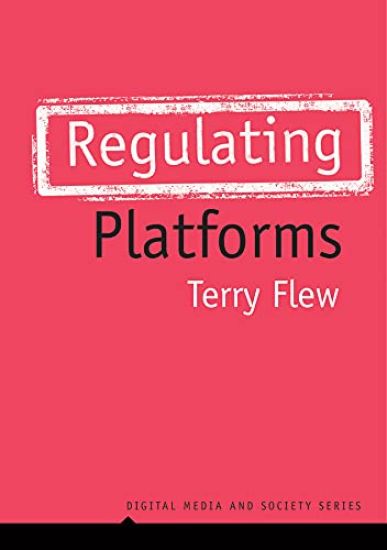
We once thought of cyberspace as a borderless world. As the internet has become increasingly platformized, with a small number of technology giants that dominate the global digital economy, concerns about information monopolies, hateful online content, and the impact on media content creators and creative industries have become more marked. Consequently governments, politicians, and civil society are questioning how digital platforms can or should be regulated. In this up-to-the-minute study, Terry Flew engages with important questions surrounding platform regulation. Starting from the premise that governance is an inherent feature of digital platforms, he argues that the challenge is to develop the best frameworks for balancing external regulatory oversight with the internal governance practices of platform companies. The intersection of media policy, information policy, and economic policy is an important element of policy frameworks, as national authorities increasingly seek to engage with the power of global digital platforms. Lively and accessible, Regulating Platforms is a go-to text for students and scholars of media and communication.
This key textbook provides a comprehensive and up-to-date account of developments in international communication worldwide. Taking a comparative approach to the major theories of global media, Terry Flew looks at the rise of global media production networks and the emergence of 'media cities', multiculturalism, and the question of a global media culture. This engaging book raises the question of whether we are now in a 'post-global' age, and discusses whether there is a stable global communications order, or instead a stage of increased competition among digital and traditional media, and between the US and emergent powers such as China.Drawing on a wide range of perspectives, and written by a renowned author, this is an essential introduction for undergraduate and postgraduate students of media studies, communication studies and cultural studies, and anyone interested in the study of media and globalization.
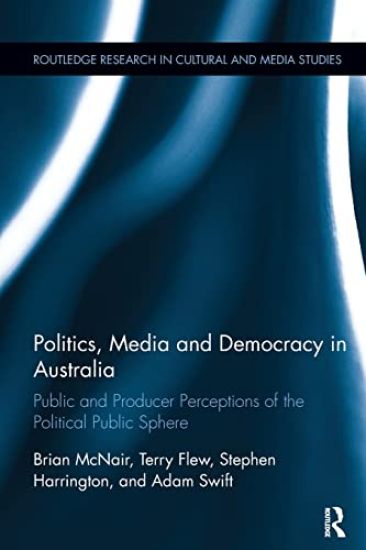
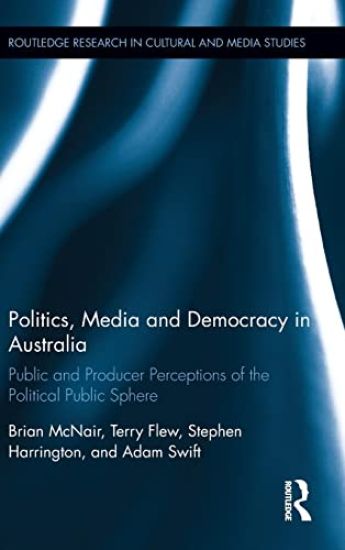
In Australia, as in many comparable democracies, the role of the media in the political process is high on the public agenda. There is a perception of widespread disillusionment with and disengagement from politics amongst voters, and criticism of the media for failing to fulfil their democratic responsibilities adequately. This book evaluates public perceptions of the performance of the political media in the context of the declared aims and objectives of media producers. From there the authors present findings for improving the capacity of political media to engage and inform their audiences in ways which enhance the quality and popular legitimacy of the democratic process. These conclusions are of import not only to Australians, but to observers of mediated politics in the UK, the US and other countries where similar debates around the ‘crisis of public communication’ are on-going.
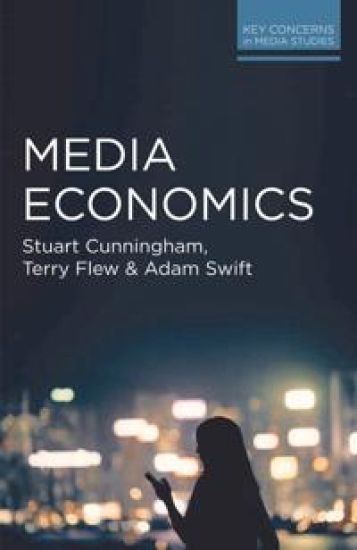
A concise introduction to the key ideas and issues in the study of media economics, drawing on a broad range of case studies - from Amazon and Twitter, to Apple and Netflix - to illustrate how economic paradigms are not just theories, but provide important practical insights into how the media operates today.
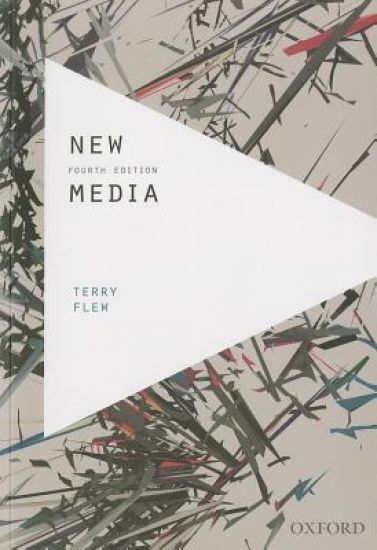
The fourth edition of Terry Flew's New Media combines a comprehensive overview of theories of new media with contemporary cases studies. Based on an historic understanding of new media developments, the book explores the role of new media in a globally-networked society. It examines the cultural, political and economic impact of new technologies on creativity and industry from a cross-disciplinary perspective.
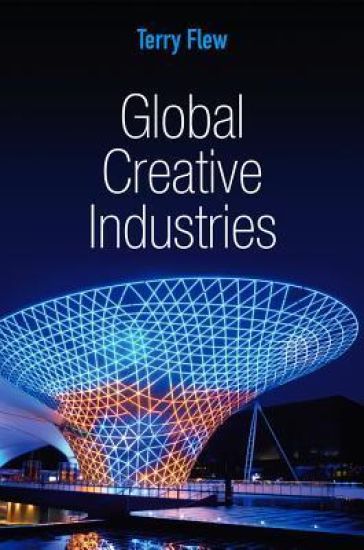
The creative industries are the subject of growing attention among policy-makers, academics, activists, artists and development specialists worldwide. This engaging book provides a global overview of developments in the creative industries, and analyses how these developments relate to wider debates about globalization, cities, culture and the global creative economy. Flew considers creative industries from six angles: industries; production; consumption; markets; places; and policies. Designed for the non-specialist, the text includes insightful and wide-ranging case studies on topics such as: fashion; design thinking; global culture; creative occupations; monopoly and competition; Shanghai and Seoul as creative cities; popular music and urban cultural policy; and the rise of “Nollywood”. Global Creative Industries will be of great interest to students and scholars of media and communications, cultural studies, economics, geography, sociology, design, public policy, and the arts. It will also be of value to those working in the creative industries, and involved in their development.
"Moving from age-old warnings about the influence of the cultural industry to a tentative embrace of a global creative society, Terry Flew's new book provides an excellent overview of this exciting field. Warmly recommended for students and policymakers alike." - Mark Deuze, Indiana University "A comprehensive text on the state of the art of the creative industries... a running commentary on the ebb and flow of both the academic debates (from cultural studies, cultural economics, organisational studies, economic geography and urban sociology) and the policy initiatives that seek to frame the field for outsiders. An ideal primer." - Andy C Pratt, King's College London The rise of creative industries requires new thinking in communication, media and cultural studies, media and cultural policy, and the arts and information sectors. The Creative Industries sets the agenda for these debates, providing a richer understanding of the dynamics of cultural markets, creative labour, finance and risk, and how culture is distributed, marketed and creatively re-used through new media technologies. This book: Develops a global perspective on the creative industries and creative economyDraws insights from media and cultural studies, innovation economics, cultural policy studies, and economic and cultural geographyExplores what it means for policy-makers when culture and creativity move from the margins to the centre of economic dynamicsMakes extensive use of case studies in ways that are relevant not only to researchers and policy-makers, but also to the generation of students who will increasingly be establishing a 'portfolio career' in the creative industries. International in coverage, The Creative Industries traces the historical and contemporary ideas that make the cultural economy more relevant that it has ever been. It is essential reading for students and academics in media, communication and cultural studies.