Kirjojen hintavertailu. Mukana 12 595 353 kirjaa ja 12 kauppaa.

Kirjailija

Terry Krupa

Kirjat ja teokset yhdessä paikassa: 4 kirjaa, julkaisuja vuosilta 2015-2024, suosituimpien joukossa Bruce & Borg’s Psychosocial Frames of Reference. Vertaile teosten hintoja ja tarkista saatavuus suomalaisista kirjakaupoista.

4 kirjaa

Kirjojen julkaisuhaarukka 2015-2024.

Bruce & Borg’s Psychosocial Frames of Reference

Bruce & Borg’s Psychosocial Frames of Reference

Terry Krupa; Bonnie Kirsh

TAYLOR FRANCIS LTD
2024
sidottu
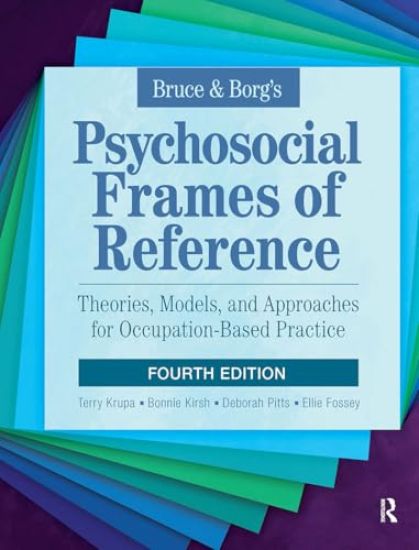
Psychosocial health is a fundamental element of all human health and well-being. Psychological, emotional, and social factors interact to influence peoples’ occupational lives, in turn influencing psychosocial health. Occupational therapists practicing in contemporary health and social sectors require the knowledge, attitudes and skills to identify and address these psychosocial factors.The classic and renowned, Bruce & Borg’s Psychosocial Frames of Reference: Theories, Models, and Approaches for Occupation-Based Practice, Fourth Edition by Drs. Terry Krupa, Bonnie Kirsh, and their contributors, examines psychosocial models of practice and their application across a wide range of practice areas in occupational therapy, instead of being singularly focused on practice areas of the needs of people living with identified mental illnesses. Efforts have been made to highlight the relevance of specific models to practice for people with mental illnesses, particularly where the issues experienced by this group have historically been poorly addressed. The authors have also organized models and practice approaches according to the level at which they intervene to create change – occupation, person, environment, and transdisciplinary levels.As their central domain of concern, the first group of occupational models or approaches have a focus on “what people do” in their daily lives. A second group of models reflect those that intervene at the level of the person. This group understands strengths and problems in occupation as evolving largely from features or qualities of the individual, and the therapeutic processes suggested are directed to changing or building upon these features. A third group of models and approaches focus on the psychosocial context and environment to elicit and enable a positive change in occupation. In some cases, these environmental models expand commonly-held, narrow definitions of “clinical” practice to encourage occupational therapists to engage in population-level practices. Finally, a small group of models of practice are labeled as transdisciplinary. Transdisciplinary models provide ways to develop conceptualizations of psychosocial practice issues, practice language, and approaches that are shared across disciplinary boundaries.New in the completely updated Fourth Edition:Contains models and practice approaches that are useful in enabling occupational therapists to address psychosocial concerns relevant to human occupationExplores the psychological, emotional, and social experiences of humans carried out in context and their linkages to occupational engagement and well-beingPuts forward practice models that focus on person-level aspects of occupation in psychosocial practiceExamines transdisciplinary models and their relationship to psychosocial occupational therapy concepts and practicesPresents well established models and frameworks that focus on population and contextual level factors relevant to psychosocial occupational therapy practiceDiscusses occupational therapy intervention approaches flowing from these models, relevant tools and practices, and, where available, the supporting evidence-base Included with the text are online supplemental materials for faculty use in the classroom.With its updated models and a wide range of practice areas, Bruce & Borg’s Psychosocial Frames of Reference: Theories, Models, and Approaches for Occupation-Based Practice, Fourth Edition is the perfect resource for the occupational therapist student, faculty, and clinician or any practitioner in psychosocial and mental health.

Promoting Activity and Participation in Individuals with Serious Mental Illness

Promoting Activity and Participation in Individuals with Serious Mental Illness

Terry Krupa; Megan Edgelow; Shu-Ping Chen; Carol Mieras

Routledge
2021
nidottu
This book presents "Action Over Inertia," a recovery-orientated, strengths-based approach to address the profound disruptions in daily activities and community participation often experienced by those living with serious mental illnesses. With a focus on supported "doing", the Action Over Inertia approach engages individuals in small activity and participation efforts as an opening to making longer term and sustained changes that offer meaning and well-being. The book helps service providers develop their own knowledge of activities and the health and well-being benefits an individual might receive from activities. It also asks them to consider the biases, assumptions, and constraints that might impact their ability to implement interventions related to activity and participation. A range of worksheets, resources, vignettes, and other tools are provided to support this practice.The manual was developed from the knowledge and practice of occupational science and therapy, but it will be of interest to any mental health professional, peer-provider, administrator, or policy maker interested in promoting recovery for people with serious mental illness
Promoting Activity and Participation in Individuals with Serious Mental Illness

Promoting Activity and Participation in Individuals with Serious Mental Illness

Terry Krupa; Megan Edgelow; Shu-Ping Chen; Carol Mieras

Routledge
2021
sidottu
This book presents "Action Over Inertia," a recovery-orientated, strengths-based approach to address the profound disruptions in daily activities and community participation often experienced by those living with serious mental illnesses. With a focus on supported "doing", the Action Over Inertia approach engages individuals in small activity and participation efforts as an opening to making longer term and sustained changes that offer meaning and well-being. The book helps service providers develop their own knowledge of activities and the health and well-being benefits an individual might receive from activities. It also asks them to consider the biases, assumptions, and constraints that might impact their ability to implement interventions related to activity and participation. A range of worksheets, resources, vignettes, and other tools are provided to support this practice.The manual was developed from the knowledge and practice of occupational science and therapy, but it will be of interest to any mental health professional, peer-provider, administrator, or policy maker interested in promoting recovery for people with serious mental illness
Bruce & Borg’s Psychosocial Frames of Reference

Bruce & Borg’s Psychosocial Frames of Reference

Terry Krupa; Bonnie Kirsh

SLACK Incorporated
2015
nidottu
Psychosocial health is a fundamental element of all human health and well-being. Psychological, emotional, and social factors interact to influence peoples’ occupational lives, in turn influencing psychosocial health. Occupational therapists practicing in contemporary health and social sectors require the knowledge, attitudes and skills to identify and address these psychosocial factors.The classic and renowned, Bruce & Borg’s Psychosocial Frames of Reference: Theories, Models, and Approaches for Occupation-Based Practice, Fourth Edition by Drs. Terry Krupa, Bonnie Kirsh, and their contributors, examines psychosocial models of practice and their application across a wide range of practice areas in occupational therapy, instead of being singularly focused on practice areas of the needs of people living with identified mental illnesses. Efforts have been made to highlight the relevance of specific models to practice for people with mental illnesses, particularly where the issues experienced by this group have historically been poorly addressed. The authors have also organized models and practice approaches according to the level at which they intervene to create change – occupation, person, environment, and transdisciplinary levels.As their central domain of concern, the first group of occupational models or approaches have a focus on “what people do” in their daily lives. A second group of models reflect those that intervene at the level of the person. This group understands strengths and problems in occupation as evolving largely from features or qualities of the individual, and the therapeutic processes suggested are directed to changing or building upon these features. A third group of models and approaches focus on the psychosocial context and environment to elicit and enable a positive change in occupation. In some cases, these environmental models expand commonly-held, narrow definitions of “clinical” practice to encourage occupational therapists to engage in population-level practices. Finally, a small group of models of practice are labeled as transdisciplinary. Transdisciplinary models provide ways to develop conceptualizations of psychosocial practice issues, practice language, and approaches that are shared across disciplinary boundaries.New in the completely updated Fourth Edition:Contains models and practice approaches that are useful in enabling occupational therapists to address psychosocial concerns relevant to human occupationExplores the psychological, emotional, and social experiences of humans carried out in context and their linkages to occupational engagement and well-beingPuts forward practice models that focus on person-level aspects of occupation in psychosocial practiceExamines transdisciplinary models and their relationship to psychosocial occupational therapy concepts and practicesPresents well established models and frameworks that focus on population and contextual level factors relevant to psychosocial occupational therapy practiceDiscusses occupational therapy intervention approaches flowing from these models, relevant tools and practices, and, where available, the supporting evidence-base Included with the text are online supplemental materials for faculty use in the classroom.With its updated models and a wide range of practice areas, Bruce & Borg’s Psychosocial Frames of Reference: Theories, Models, and Approaches for Occupation-Based Practice, Fourth Edition is the perfect resource for the occupational therapist student, faculty, and clinician or any practitioner in psychosocial and mental health.