

Kirjailija
Therese Davis
Kirjat ja teokset yhdessä paikassa: 4 kirjaa, julkaisuja vuosilta 2003-2020, suosituimpien joukossa Australian Cinema After Mabo. Vertaile teosten hintoja ja tarkista saatavuus suomalaisista kirjakaupoista.
4 kirjaa
Kirjojen julkaisuhaarukka 2003-2020.
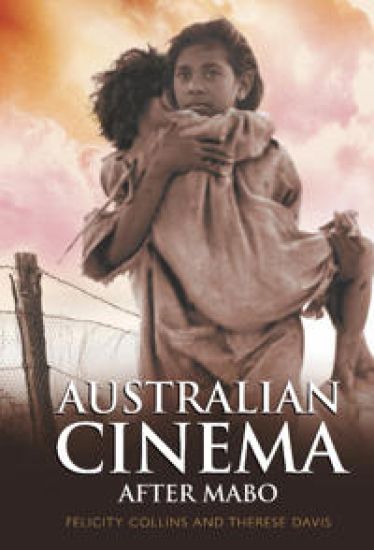
Australian Cinema After Mabo
Felicity Collins; Therese Davis
Cambridge University Press
2004
sidottu
Australian Cinema after Mabo is a comprehensive 2005 study of Australian national cinema in the 1990s. Using the 1992 Mabo decision as a starting point, it looks at how the Mabo decision, where the founding doctrine of terra nullius was overruled, has destabilised the way Australians relate to the land. It asks how we think about Australian cinema in the post Mabo era, and what part it plays in the national process of reviewing our colonial past and the ways in which settlers and indigenous cultures can co-exist. Including The Tracker, Kiss or Kill, The Castle, Love Serenade and Yolngu Boy among numerous others, this book highlights turning points in the shaping of the Australian cinema since Mabo. It is essential reading for anyone studying Australian cinema and for those interested in the ways in which land politics has impacted upon the way we imagine ourselves through cinema.
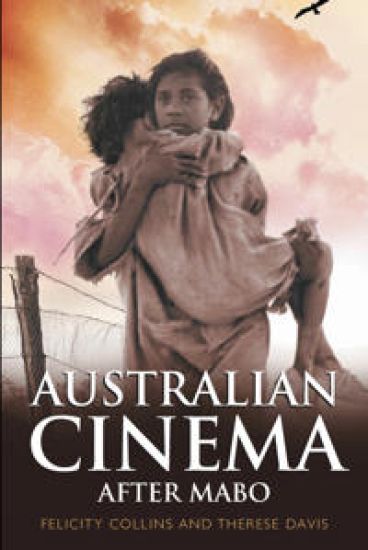
Australian Cinema After Mabo
Felicity Collins; Therese Davis
Cambridge University Press
2004
pokkari
Australian Cinema after Mabo is a comprehensive 2005 study of Australian national cinema in the 1990s. Using the 1992 Mabo decision as a starting point, it looks at how the Mabo decision, where the founding doctrine of terra nullius was overruled, has destabilised the way Australians relate to the land. It asks how we think about Australian cinema in the post Mabo era, and what part it plays in the national process of reviewing our colonial past and the ways in which settlers and indigenous cultures can co-exist. Including The Tracker, Kiss or Kill, The Castle, Love Serenade and Yolngu Boy among numerous others, this book highlights turning points in the shaping of the Australian cinema since Mabo. It is essential reading for anyone studying Australian cinema and for those interested in the ways in which land politics has impacted upon the way we imagine ourselves through cinema.

This work aims to rethink the facial close-up in terms other than those associated with the humanist view of the face as "mirror of the soul". It proposes a dialectical reversal or about-face. It provides detailed studies of media spectacles of faces becoming unrecognizable.