Kirjojen hintavertailu. Mukana 12 390 323 kirjaa ja 12 kauppaa.

Kirjailija

Therese Feiler

Kirjat ja teokset yhdessä paikassa: 2 kirjaa, julkaisuja vuosilta 2019-2021, suosituimpien joukossa Logics of War. Vertaile teosten hintoja ja tarkista saatavuus suomalaisista kirjakaupoista.

2 kirjaa

Kirjojen julkaisuhaarukka 2019-2021.

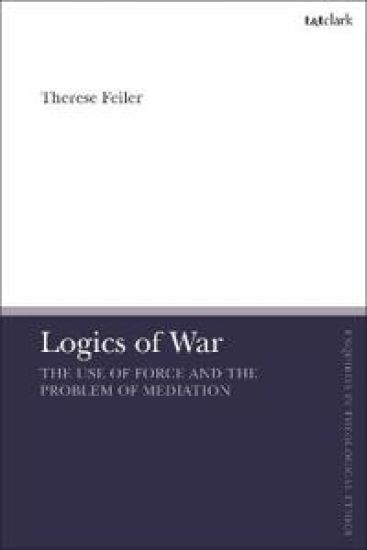
Logics of War

Logics of War

Therese Feiler

T. T.Clark Ltd
2021
nidottu
The modern ethics of war is a field of disparate, competing voices based on often unexplored theological and metaphysical assumptions. Therese Feiler approaches them from the borderline area between systematics, philosophical theology and religious studies. With reference to G. W. F. Hegel's and like-minded thinkers' 'theo–logic' that negotiates Christ’s mediation and immanent dialectics, Feiler identifies the logic and problem of mediation as the core concern of political ethics. Feiler unites five representative authors from now disparate strands of contemporary just war ethics, testing whether they offer a meaningful possibility of mediation and subsequent reconciliation: a sovereign realist and a cosmopolitan idealist; a rationalist individualist, an idealist Christian ethicist, and finally, an evangelical theologian. Opening the just war debate for comparative critical engagement, Feiler creates a fascinating study that locates a “dynamic point” at which faithful, free political action can be wrestled from irony, tragedy, and melancholic inertia in the face of totalitarian suffocation.

Logics of War

Logics of War

Therese Feiler

T. T.Clark Ltd
2019
sidottu
The modern ethics of war is a field of disparate, competing voices based on often unexplored theological and metaphysical assumptions. Therese Feiler approaches them from the borderline area between systematics, philosophical theology and religious studies. With reference to G. W. F. Hegel's and like-minded thinkers' 'theo–logic' that negotiates Christ’s mediation and immanent dialectics, Feiler identifies the logic and problem of mediation as the core concern of political ethics. Feiler unites five representative authors from now disparate strands of contemporary just war ethics, testing whether they offer a meaningful possibility of mediation and subsequent reconciliation: a sovereign realist and a cosmopolitan idealist; a rationalist individualist, an idealist Christian ethicist, and finally, an evangelical theologian. Opening the just war debate for comparative critical engagement, Feiler creates a fascinating study that locates a “dynamic point” at which faithful, free political action can be wrestled from irony, tragedy, and melancholic inertia in the face of totalitarian suffocation.