Kirjojen hintavertailu. Mukana 12 277 478 kirjaa ja 12 kauppaa.

Kirjailija

Thomas Burns

Kirjat ja teokset yhdessä paikassa: 11 kirjaa, julkaisuja vuosilta 2002-2024, suosituimpien joukossa Risk Management of Less Lethal Options. Vertaile teosten hintoja ja tarkista saatavuus suomalaisista kirjakaupoista.

11 kirjaa

Kirjojen julkaisuhaarukka 2002-2024.

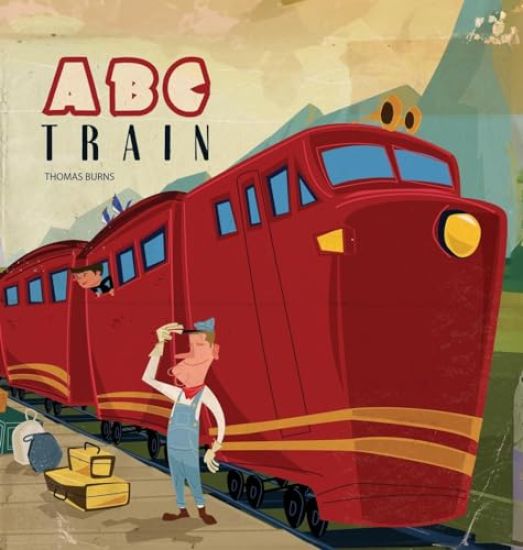
ABC Train

ABC Train

Thomas Burns

Xist Publishing
2024
sidottu
ABC Train by Thomas Burns is a delightful journey for young readers. This charming book introduces the alphabet in a fun and engaging way, using a train theme that will captivate children. Each page features a different letter of the alphabet, presented through colorful illustrations and simple, easy-to-understand language that's perfect for train-loving little ones. It's an excellent way to help little ones learn their ABCs while enjoying the adventure of a train ride. This book is a wonderful tool for early literacy and a joyous read for young children.
Risk Management of Less Lethal Options

Risk Management of Less Lethal Options

R.T. Wyant; Thomas Burns

CRC Press
2021
nidottu
Force used to quell out-of-control demonstrations or detain unruly individuals can result in litigation and bad press for law enforcement agencies. Injury or loss of life can best be avoided if agencies have accurate knowledge and proper training in less lethal options. Risk Management of Less Lethal Options: Evaluation, Deployment, Aftermath, and Forensics discusses how lessons learned from major disturbances have helped law enforcement professionals develop concepts and techniques that police departments can apply to increase successful outcomes, manage risk, and limit liability.The methods presented in this book were developed over a decade of testing, training, evaluating, deploying, analyzing, and testifying related to the use of these tools. Topics include: The evolution of the less lethal paradigm through the analysis of the outcomes of major incidentsCategories of less lethal options—including impact, chemical, electrical, and distractionRiot-control agents (RCAs), which produce rapid sensory irritation or disabling physical effects that disappear within a short timeLess lethal impact munitions (LLIMs) that deliver blunt trauma, including the study of their capabilities and limitationsImportant factors for developing a successful less lethal training programChallenges caused by arrest-related death, in-custody death, and Excited Delirium Syndrome (ExDs)The use and forensic analysis of conducted electrical weapons (CEWs)/TasersEffective post-event report writing, evidence collection, and court preparationRisk management of less lethal options requires a complex, multi-tiered approach. This volume provides law enforcement professionals with guidelines to manage risk from the street to the courtroom when utilizing less lethal options to subdue offenders.Praise for the Book:This is an incredible resource that is easy to read and extremely informative.—Dan Savage, Captain, Grand Rapids Michigan Police DepartmentOverall, this is essential reading for all involved in law enforcement who use, authorize, or oversee less lethal policy, training and deployments.—Chief Constable (Retired) Ian Arundale, Association of Chief Police Officers, lead on policy and training relating to UK firearms, ‘Less Lethal’ and Conflict Management (2001-2013)What the authors have done in this comprehensive publication is present the operational and technical issues associated with selecting, deploying, and managing the consequence of less lethal options in a very readable way. ... It should be on the reading list of all who have an interest in gaining insight into law enforcement and less lethal options.—Colin Burrows, QPM, UK-based International Adviser on Critical InterventionPolice officers, supervisors, incident commanders, managers, administrators and senior executives had all better have a solid grasp of the issues presented in this book.—Joel Johnston, Sergeant, Vancouver Police Department, Canada (Retired 2013); Principal, Defensive Tactics Institute (www.dtidefensivetactics.com)
An Humble Attempt to Make men Grateful to God for Mercies Received, two Sermons, Preached in the Church of Renfrew, ... November 29th, 1798. ... By the Rev. Thomas Burns
The 18th century was a wealth of knowledge, exploration and rapidly growing technology and expanding record-keeping made possible by advances in the printing press. In its determination to preserve the century of revolution, Gale initiated a revolution of its own: digitization of epic proportions to preserve these invaluable works in the largest archive of its kind. Now for the first time these high-quality digital copies of original 18th century manuscripts are available in print, making them highly accessible to libraries, undergraduate students, and independent scholars.The Age of Enlightenment profoundly enriched religious and philosophical understanding and continues to influence present-day thinking. Works collected here include masterpieces by David Hume, Immanuel Kant, and Jean-Jacques Rousseau, as well as religious sermons and moral debates on the issues of the day, such as the slave trade. The Age of Reason saw conflict between Protestantism and Catholicism transformed into one between faith and logic -- a debate that continues in the twenty-first century.++++The below data was compiled from various identification fields in the bibliographic record of this title. This data is provided as an additional tool in helping to insure edition identification: ++++British LibraryT104399Glasgow: printed by Chapman and Lang, for Brash & Reid, 1799. 64p.; 8
Risk Management of Less Lethal Options

Risk Management of Less Lethal Options

R.T. Wyant; Thomas Burns

CRC Press Inc
2014
sidottu
Force used to quell out-of-control demonstrations or detain unruly individuals can result in litigation and bad press for law enforcement agencies. Injury or loss of life can best be avoided if agencies have accurate knowledge and proper training in less lethal options. Risk Management of Less Lethal Options: Evaluation, Deployment, Aftermath, and Forensics discusses how lessons learned from major disturbances have helped law enforcement professionals develop concepts and techniques that police departments can apply to increase successful outcomes, manage risk, and limit liability.The methods presented in this book were developed over a decade of testing, training, evaluating, deploying, analyzing, and testifying related to the use of these tools. Topics include: The evolution of the less lethal paradigm through the analysis of the outcomes of major incidentsCategories of less lethal options—including impact, chemical, electrical, and distractionRiot-control agents (RCAs), which produce rapid sensory irritation or disabling physical effects that disappear within a short timeLess lethal impact munitions (LLIMs) that deliver blunt trauma, including the study of their capabilities and limitationsImportant factors for developing a successful less lethal training programChallenges caused by arrest-related death, in-custody death, and Excited Delirium Syndrome (ExDs)The use and forensic analysis of conducted electrical weapons (CEWs)/TasersEffective post-event report writing, evidence collection, and court preparationRisk management of less lethal options requires a complex, multi-tiered approach. This volume provides law enforcement professionals with guidelines to manage risk from the street to the courtroom when utilizing less lethal options to subdue offenders.Praise for the Book:This is an incredible resource that is easy to read and extremely informative.—Dan Savage, Captain, Grand Rapids Michigan Police DepartmentOverall, this is essential reading for all involved in law enforcement who use, authorize, or oversee less lethal policy, training and deployments.—Chief Constable (Retired) Ian Arundale, Association of Chief Police Officers, lead on policy and training relating to UK firearms, ‘Less Lethal’ and Conflict Management (2001-2013)What the authors have done in this comprehensive publication is present the operational and technical issues associated with selecting, deploying, and managing the consequence of less lethal options in a very readable way. ... It should be on the reading list of all who have an interest in gaining insight into law enforcement and less lethal options.—Colin Burrows, QPM, UK-based International Adviser on Critical InterventionPolice officers, supervisors, incident commanders, managers, administrators and senior executives had all better have a solid grasp of the issues presented in this book.—Joel Johnston, Sergeant, Vancouver Police Department, Canada (Retired 2013); Principal, Defensive Tactics Institute (www.dtidefensivetactics.com)
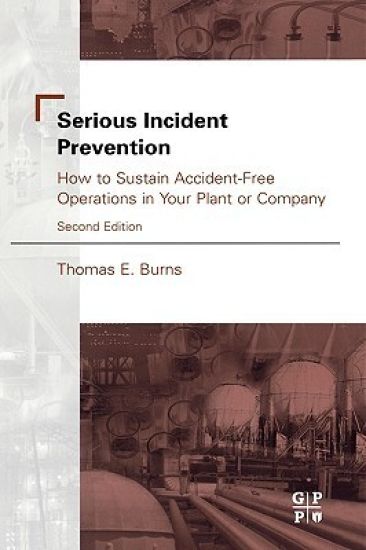
Serious Incident Prevention

Serious Incident Prevention

Thomas Burns

Gulf Publishing
2002
sidottu
This is your guide to creating a proactive, effective prevention process. This book presents a model showing you how to systematically identify and execute the steps needed to make your operations incident-free. Its team-based approach draws every level of the organization into the effort. Serious incidents affect a company's most important and most visible measures of performance, including profitability and company image. Use the author's ground-breaking method for preventing serious incidents, from a team perspective. Whether applied in real-life situations or in the classroom, this method will help you create a safer, more profitable plant. Up to date information and expanded topic coverage is provided in this new edition. There are two new chapters. One covers leveraging the power of behavior-based techniques and the other covers the benefits of developing teamwork skills. New material features case studies of corporations that have achieved a high degree of success from the implementation of Burns' techniques. Additionally, the author has included safety performance scorecards, a practical and effective tool for preventing serious incidents.