Kirjojen hintavertailu. Mukana 12 152 606 kirjaa ja 12 kauppaa.

Kirjailija

Thomas Doherty

Kirjat ja teokset yhdessä paikassa: 24 kirjaa, julkaisuja vuosilta 1999-2026, suosituimpien joukossa Surviving Climate Anxiety. Vertaile teosten hintoja ja tarkista saatavuus suomalaisista kirjakaupoista.

24 kirjaa

Kirjojen julkaisuhaarukka 1999-2026.

Teenagers And Teenpics

Teenagers And Teenpics

Thomas Doherty

Temple University Press,U.S.
2002
pokkari
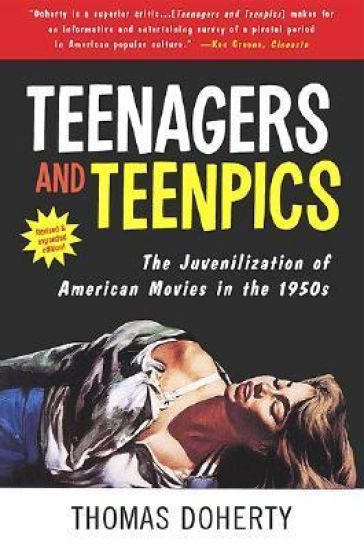
Teenagers and Teenpics tells the story of two signature developments in the 1950s: the decline of the classical Hollywood cinema and the emergence of that strange new creature, the American teenager. Hollywood's discovery of the teenage moviegoer initiated a progressive "juvenilization" of film content that is today the operative reality of the American motion picture industry. The juvenilization of the American movies is best revealed in the development of the 1950s "teenpic," a picture targeted at teenagers even to the exclusion of their elders. In a wry and readable style, Doherty defines and interprets the various teenpic film types: rock 'n' roll pictures, j.d. films, horror and sci-fi weirdies, and clean teenpics. Individual films are examined both in light of their impact on the motion picture industry and in terms of their important role in validating the emerging teenage subculture. Also included in this edition is an expanded treatment of teenpics since the 1950s, especially the teenpics produced during the age of AIDS. Author note: Thomas Doherty is Associate Professor of American Studies and Chair of the Film Studies Program at Brandeis University. He is the author of two previous books, including Pre-Code Hollywood: Sex, Immorality, and Insurrection in American Cinema, 1930-1934, which was a New York Times Notable Book for 1999.
Teenagers And Teenpics

Teenagers And Teenpics

Thomas Doherty

Temple University Press,U.S.
2001
sidottu
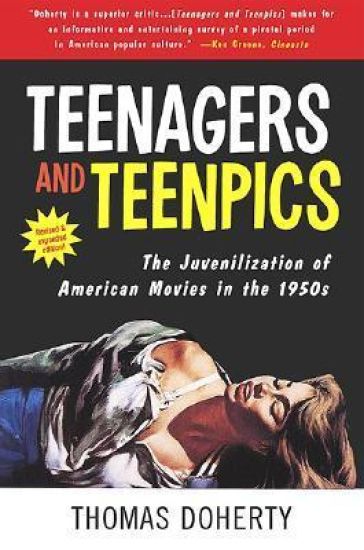
"Teenagers and Teenpics" tells the story of two signature developments in the 1950s: the decline of the classical Hollywood cinema and the emergence of that strange new creature, the American teenager. Hollywood's discovery of the teenage moviegoer initiated a progressive 'juvenilization' of film content that is today the operative reality of the American motion picture industry. The juvenilization of the American movies is best revealed in the development of the 1950s 'teenpic', a picture targeted at teenagers even to the exclusion of their elders. In a wry and readable style, Doherty defines and interprets the various teenpic film types: rock 'n' roll pictures, j.d. films, horror and sci-fi weirdies, and clean teenpics. Individual films are examined both in light of their impact on the motion picture industry and in terms of their important role in validating the emerging teenage subculture. Also included in this edition is an expanded treatment of teenpics since the 1950s, especially the teenpics produced during the age of AIDS. Author note: Thomas Doherty is Associate Professor of American Studies and Chair of the Film Studies Program at Brandeis University. He is the author of two previous books, including "Pre-Code Hollywood: Sex, Immorality, and Insurrection in American Cinema, 1930-1934", which was a "New York Times" 'Notable Book' for 1999.
Projections of War

Projections of War

Thomas Doherty

Columbia University Press
1999
pokkari
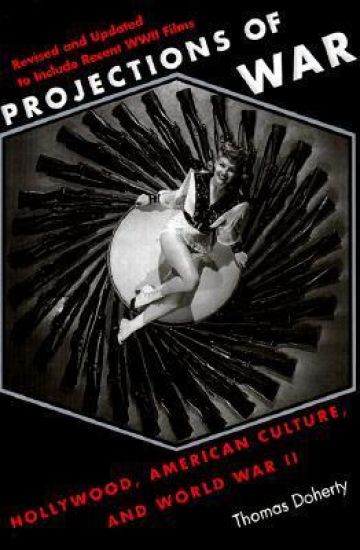
Thomas Doherty reveals how and why Hollywood marshaled its artistic resources on behalf of the war effort and interprets the cultural meanings and enduring legacies of the motion picture record of the war years. He explains the social, political, and economic forces that created such genre classics as Mrs. Miniver, as well as comedies, musicals, newsreels, documentaries, cartoons, and army training films. He examines the Hollywood Production Code, government propaganda films, the portrayal of women and minorities in films of the period, and Hollywood's role in World War I and Vietnam. This revised edition includes new sections exploring the recent resurgence of interest in World War II films, including Saving Private Ryan and The Thin Red Line. Thomas Doherty reveals how and why Hollywood marshaled its artistic resources on behalf of the war effort and interprets the cultural meanings and enduring legacies of the motion picture record of the war years. He explains the social, political, and economic forces that created such genre classics as Mrs. Miniver, as well as comedies, musicals, newsreels, documentaries, cartoons, and army training films. He examines the Hollywood Production Code, government propaganda films, the portrayal of women and minorities in films of the period, and Hollywood's role in World War I and Vietnam. This revised edition includes new sections exploring the recent resurgence of interest in World War II films, including Saving Private Ryan and The Thin Red Line.
Pre-Code Hollywood

Pre-Code Hollywood

Thomas Doherty

Columbia University Press
1999
pokkari
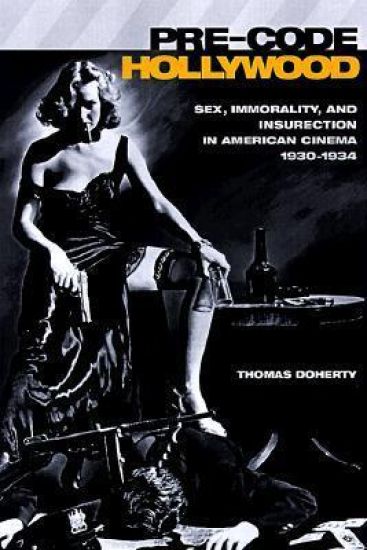
Pre-Code Hollywood explores the fascinating period in American motion picture history from 1930 to 1934 when the commandments of the Production Code Administration were violated with impunity in a series of wildly unconventional films-a time when censorship was lax and Hollywood made the most of it. Though more unbridled, salacious, subversive, and just plain bizarre than what came afterwards, the films of the period do indeed have the look of Hollywood cinema-but the moral terrain is so off-kilter that they seem imported from a parallel universe. In a sense, Doherty avers, the films of pre-Code Hollywood are from another universe. They lay bare what Hollywood under the Production Code attempted to cover up and push offscreen: sexual liaisons unsanctified by the laws of God or man, marriage ridiculed and redefined, ethnic lines crossed and racial barriers ignored, economic injustice exposed and political corruption assumed, vice unpunished and virtue unrewarded-in sum, pretty much the raw stuff of American culture, unvarnished and unveiled. No other book has yet sought to interpret the films and film-related meanings of the pre-Code era-what defined the period, why it ended, and what its relationship was to the country as a whole during the darkest years of the Great Depression...and afterward.