Kirjojen hintavertailu. Mukana 12 657 676 kirjaa ja 12 kauppaa.

Kirjailija

Thomas Jayne

Kirjat ja teokset yhdessä paikassa: 2 kirjaa, julkaisuja vuosilta 2017-2018, suosituimpien joukossa Classical Principles for Modern Design. Vertaile teosten hintoja ja tarkista saatavuus suomalaisista kirjakaupoista.

2 kirjaa

Kirjojen julkaisuhaarukka 2017-2018.

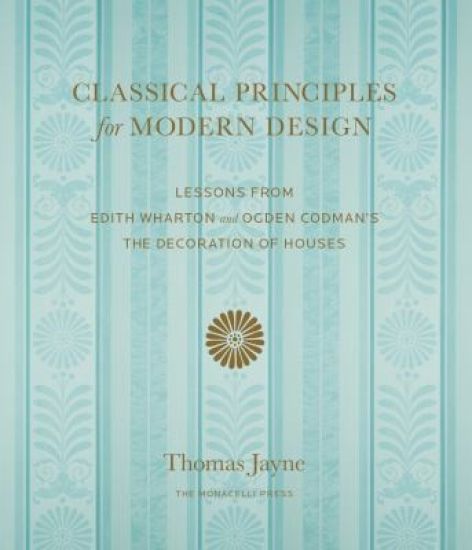
Classical Principles for Modern Design

Classical Principles for Modern Design

Thomas Jayne

Monacelli Press
2018
sidottu
Interior designer and decorative arts historian Thomas Jayne takes on the redoubtable Edith Wharton and her co-author Ogden Codman, whose 1897 book The Decoration of Houses is acknowledged as the Bible of American interior design. Wharton and Codman advocated for classical simplicity and balance, replacing the excesses of the Gilded Age. In Jayne’s view, “The Decoration of Houses is the level-headed, indispensable book on the subject. It is not an overstatement to say that it is the most important decorating book ever written.” How much of Wharton and Codman’s advice and how many of their principles are still applicable today? In Classical Principles for Modern Design, Jayne argues that Wharton and Codman’s fundamental ideas about the proportion and planning of space create the most harmonious and livable interiors, whether traditional or contemporary. His authoritative and engaging text traces contemporary ideas about design elements and furnishing rooms back to Wharton and Codman and shows where his design approach coincides and where it diverges from their views. The book follows the chapter organization of The Decoration of Houses - chapters on walls, doors, windows and curtains, ceilings and floors, etc. - and adds important new perspectives on the design of kitchens and the use of color, both major subjects that Wharton and Codman did not address. Drawing on his own work at Jayne Design Studio, Jayne has selected elegant, traditional interiors that demonstrate these principles. Projects range from a restoration of historic eighteenth-century public rooms in Crichel House in Dorset, England, to a mountain retreat in the wilds of Montana to an array of luxurious New York City apartments and country houses in the Hudson Valley. Captured in lush photographs by Don Freeman and others, all speak to Thomas Jayne’s commitment to the primacy of function, quality, and simplicity, derived from the ancient tradition of classical design. As he says, “Tradition is not about what was. Tradition is now.”
The Well-Dressed Window

The Well-Dressed Window

Sandy Brown; Thomas Jayne

Monacelli Press
2017
sidottu
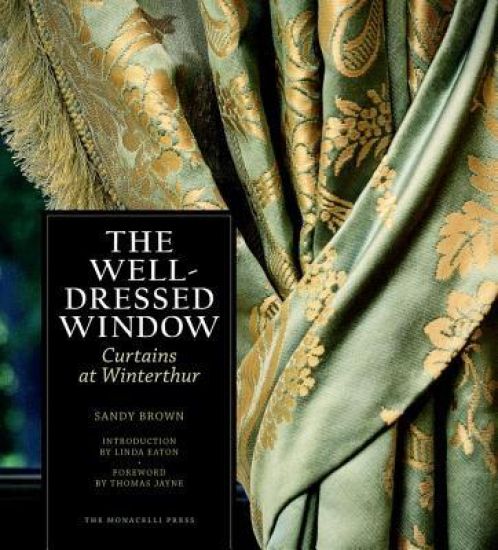
Featuring forty rooms at Winterthur, The Well-Dressed Window is an important resource in documenting the design and detailing of window treatments. The Well-Dressed Window: Curtains at Winterthur is a unique compendium of design and textile history and an invaluable resource for designers and homeowners alike. Today Henry Francis du Pont, the force behind the transformation of Winterthur from a family house to the premier museum of American decorative arts, is recognized, along with Henry Davis Sleeper and Elsie de Wolfe, as one of the early leaders of interior design in this country. Working with architects, curators, and antiques dealers, du Pont created some 175 room settings within the house. He assembled his rooms using architectural elements from historic houses along the East Coast and filled them with an extraordinary collection of American furniture and decorative arts. Du Pont’s unique talent was his ability to arrange historically related objects in a beautiful way, in settings that enhanced their shape and form through the choice of color, textiles, and style. Du Pont paid particular attention to the design of the curtains, and The Well-Dressed Window surveys his achievement, explaining how the fabrics were selected as well as their relationship to the architecture and other decorative elements in the rooms. Forty rooms are presented, each specially photographed to show the overall space in addition to details of fabric and trim. A series of stereoviews taken in the 1930s as well as other period photographs reveal the evolution of the window treatments and upholstery over nearly sixty years. Of particular interest is du Pont’s seasonal changing of the curtains, which were rotated throughout the year as the lighting and colors in the surrounding garden shifted.