Kirjojen hintavertailu. Mukana 12 390 323 kirjaa ja 12 kauppaa.

Kirjailija

Thomas M. Izbicki

Kirjat ja teokset yhdessä paikassa: 9 kirjaa, julkaisuja vuosilta 2000-2023, suosituimpien joukossa Juan de Torquemada. Vertaile teosten hintoja ja tarkista saatavuus suomalaisista kirjakaupoista.

9 kirjaa

Kirjojen julkaisuhaarukka 2000-2023.

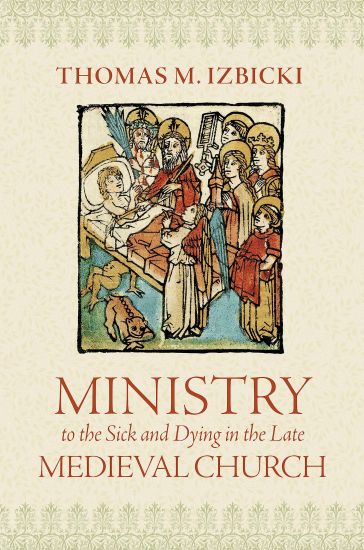
Ministry to the Sick and Dying in the Late Medieval Church

Ministry to the Sick and Dying in the Late Medieval Church

Thomas M. Izbicki

THE CATHOLIC UNIVERSITY OF AMERICA PRESS
2023
sidottu
The focus of this volume is on ministry to the sick and dying in the later Middle Ages, especially providing them with the sacraments. Medieval writers linked illness to sin and its forgiveness. The priest, as physician of souls, was expected to heal the soul, preparing it for the hereafter. His ministry might also effect healing of bodies, when that healing did not endanger the soul. This book treats how a priest prepared to visit sick persons and went to them in procession with the Eucharist and oil of the sick. The priest was to comfort the patient and, if death was imminent, prepare the soul for the hereafter. Canon law, theology, and ritual sources are employed. Three sacraments, penance, viaticum, (final communion) and extreme unction (anointing of the sick) are treated in detail. Sickbed confession was designed to forgive the ailing person's mortal sins. A priest could absolve a dying person of all sins, even those reserved to a bishop or the pope. Viaticum was to strengthen a suffering Christian for life's last conflict, that between angels and demons for the soul of the dying person. The deathbed thus was a spiritual battlefield. Extreme unction was reserved for those in danger of death, relieving the soul of venial sins or ""the remains of sin,"" even after confession and absolution. The commendatio animae (commendation of the soul) used with the dying was to usher the soul into the afterlife. Many works have been written about attitudes toward death, dying, and the afterlife in the Middle Ages. Likewise, there is a good deal of literature about individual sacraments. This study aims at bridging between these literatures, with a focus on the priest and parishioner in both theory and practice at the sickbed.
Juan de Torquemada

Juan de Torquemada

Thomas M. Izbicki; Jorge Ledo

BRILL
2023
sidottu
This is the first English translation of one of the most important treatises written during the late-Middle Ages in defense of converts from Judaism, favoring religious tolerance in the face of religious and racially motivated prejudice and violence. The book also includes a fresh Latin edition, drawing on all known manuscripts. The text was written in response to the actions of the "Old Christians" of Toledo against the "New Christians," also called conversos, in 1449. A letter of Pope Nicholas V favouring the converts is included.
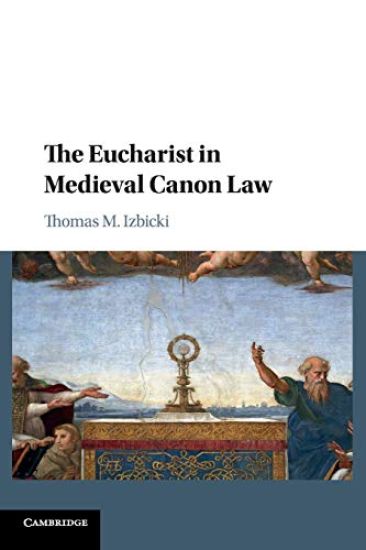
The Eucharist in Medieval Canon Law

The Eucharist in Medieval Canon Law

Thomas M. Izbicki

Cambridge University Press
2020
pokkari
Thomas Izbicki presents a new examination of the relationship between the adoration of the sacrament and canon law from the twelfth to fifteenth centuries. The medieval Church believed Christ's glorified body was present in the Eucharist, the most central of the seven sacraments, and the Real Presence became explained as transubstantiation by university-trained theologians. Expressions of this belief included the drama of the elevated host and chalice, as well as processions with a host in an elaborate monstrance on the Feast of Corpus Christi. These affirmations of doctrine were governed by canon law, promulgated by popes and councils; and liturgical regulations were enforced by popes, bishops, archdeacons and inquisitors. Drawing on canon law collections and commentaries, synodal enactments, legal manuals and books about ecclesiastical offices, Izbicki presents the first systematic analysis of the Church's teaching about the regulation of the practice of the Eucharist.
Reform, Ecclesiology, and the Christian Life in the Late Middle Ages
Philosophy was not an idle venture in the Renaissance. There were no clear-cut boundaries between theory and the practice. Theologians, jurists and humanists gave opinions on practical matters from within some larger intellectual context, and many held high office. Among the writers represented here are Pope Pius II (1458-1464), Nicholas of Cusa (d. 1464) and Juan de Torquemada OP (d. 1468). All of them, and the other writers dealt with, addressed the issues of their day creatively but from within different traditions, scholastic or humanistic. The present studies deal with issues of Reform, Ecclesiology [theories about the church and its mission] and the living of the Christian life. Among the specific issues covered are the canonization of Birgitta of Sweden, the status of converts from Judaism in Spain, acceptable forms of dress for clergy and laity, and the obedience due the pope. Also studied in this collection are the writings of Spanish theologians about the indigenous populations of the New World and the use of the name of Nicholas of Cusa by Elizabethan and Jacobean writers, both Catholic and Protestant, in polemics concerning right religious teaching and submission to the English crown, a paper hitherto unpublished.
Concord and Reform

Concord and Reform

Morimichi Watanabe; Thomas M. Izbicki

Routledge
2018
nidottu
Nicholas of Cusa is known as one of the most original philosophers of the 15th century, but by training he was a canon lawyer who received his degree from the University of Padua in 1423. The essays in this book analyse his legal and political ideas against the background of medieval religious, legal and political thought and its development in the Renaissance. The first two pieces deal with the legal ideas and humanism that affected Cusanus and with some of the problems faced by 15th-century lawyers, including his friends. The central section of the book also discusses how he reacted to the religious, legal and political issues of his day; Cusanus as reformer of the Church is a theme that runs through many of the essays. The final studies look at some of Cusanus' contemporaries, with special emphasis on Gregor Heimburg, the sharpest critic of Cusanus.
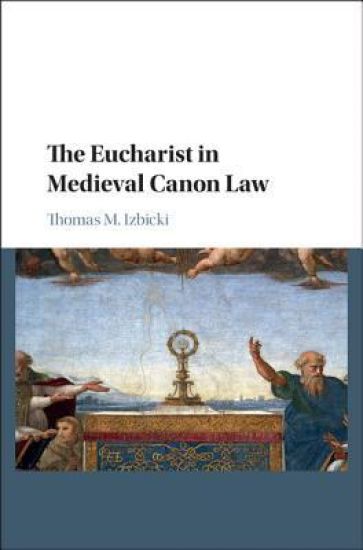
The Eucharist in Medieval Canon Law

The Eucharist in Medieval Canon Law

Thomas M. Izbicki

Cambridge University Press
2015
sidottu
Thomas Izbicki presents a new examination of the relationship between the adoration of the sacrament and canon law from the twelfth to fifteenth centuries. The medieval Church believed Christ's glorified body was present in the Eucharist, the most central of the seven sacraments, and the Real Presence became explained as transubstantiation by university-trained theologians. Expressions of this belief included the drama of the elevated host and chalice, as well as processions with a host in an elaborate monstrance on the Feast of Corpus Christi. These affirmations of doctrine were governed by canon law, promulgated by popes and councils; and liturgical regulations were enforced by popes, bishops, archdeacons and inquisitors. Drawing on canon law collections and commentaries, synodal enactments, legal manuals and books about ecclesiastical offices, Izbicki presents the first systematic analysis of the Church's teaching about the regulation of the practice of the Eucharist.
Reform, Ecclesiology, and the Christian Life in the Late Middle Ages
Philosophy was not an idle venture in the Renaissance. There were no clear-cut boundaries between theory and the practice. Theologians, jurists and humanists gave opinions on practical matters from within some larger intellectual context, and many held high office. Among the writers represented here are Pope Pius II (1458-1464), Nicholas of Cusa (d. 1464) and Juan de Torquemada OP (d. 1468). All of them, and the other writers dealt with, addressed the issues of their day creatively but from within different traditions, scholastic or humanistic. The present studies deal with issues of Reform, Ecclesiology [theories about the church and its mission] and the living of the Christian life. Among the specific issues covered are the canonization of Birgitta of Sweden, the status of converts from Judaism in Spain, acceptable forms of dress for clergy and laity, and the obedience due the pope. Also studied in this collection are the writings of Spanish theologians about the indigenous populations of the New World and the use of the name of Nicholas of Cusa by Elizabethan and Jacobean writers, both Catholic and Protestant, in polemics concerning right religious teaching and submission to the English crown, a paper hitherto unpublished.
Concord and Reform

Concord and Reform

Morimichi Watanabe; Thomas M. Izbicki

Variorum
2001
sidottu
Nicholas of Cusa is known as one of the most original philosophers of the 15th century, but by training he was a canon lawyer who received his degree from the University of Padua in 1423. The essays in this book analyse his legal and political ideas against the background of medieval religious, legal and political thought and its development in the Renaissance. The first two pieces deal with the legal ideas and humanism that affected Cusanus and with some of the problems faced by 15th-century lawyers, including his friends. The central section of the book also discusses how he reacted to the religious, legal and political issues of his day; Cusanus as reformer of the Church is a theme that runs through many of the essays. The final studies look at some of Cusanus' contemporaries, with special emphasis on Gregor Heimburg, the sharpest critic of Cusanus.
Nicholas of Cusa and the Renaissance

Nicholas of Cusa and the Renaissance

F. Edward Cranz; Thomas M. Izbicki

Variorum
2000
sidottu
This volume brings together Professor Cranz’s published studies on Nicholas of Cusa with a set of seven papers left unpublished at the time of his death. Their subjects are the speculative thought of Cusanus and his relationship with the broader themes of the Renaissance. Particular attention is given to patterns of development in Cusanus’ thought as he wrestled with problems of divine transcendence and the limits of human capacities. Overall, these studies also reveal Professor Cranz’s interest in the larger changes in Western modes of thought during the Middle Ages and the Renaissance, which define our ways of thinking as different from those of Antiquity.