Kirjojen hintavertailu. Mukana 12 595 353 kirjaa ja 12 kauppaa.
Kirjailija
Thomas Ruys Smith
Kirjat ja teokset yhdessä paikassa: 5 kirjaa, julkaisuja vuosilta 2007-2026, suosituimpien joukossa American Studies in the Age of New Area Studies. Vertaile teosten hintoja ja tarkista saatavuus suomalaisista kirjakaupoista.
This book explores what it means to study America in the 21st century and what the emergence of the field of New Area Studies means for the development of American Studies. Analysing the meaning of interdisciplinarity, aesthetics, temporality and periodization, this book reveals both fields of study through the lens of interdisciplinary cases studies, innovative methodologies and a global perspective. Exploring the imagined geographies of America across space and time, the book rethinks the meaning and production of place, and questions what —and where—it means to study America now. Addressing the key issues of nation, place and people in this new disciplinary moment, this book will be a valuable resource to students and scholars of American Studies and Area Studies.
As a young horse, Black Beauty is well-loved and happy. But when his owner is forced to sell him, his life changes drastically. He has many new owners--some of them cruel and some of them kind. All he needs is someone to love him again... Whether pulling an elegant carriage or a ramshackle cab, Black Beauty tries to live as best he can. This is his amazing story, told as only he could tell it.This edition of this beloved novel features an original foreword by favourite children's author Jacqueline Wilson and an afterword by Professor Thomas Ruys Smith (University of East Anglia) which reintroduces readers to this much-loved book, examining the roots of its extraordinary longevity, the timelessness of Sewell’s powerful literary vision, and the ongoing necessity of her message of kindness and care to animals – and humans.Every copy of this edition sold will contribute directly to Redwings’ mission to value every horse and try to see the world from an equine point of view.
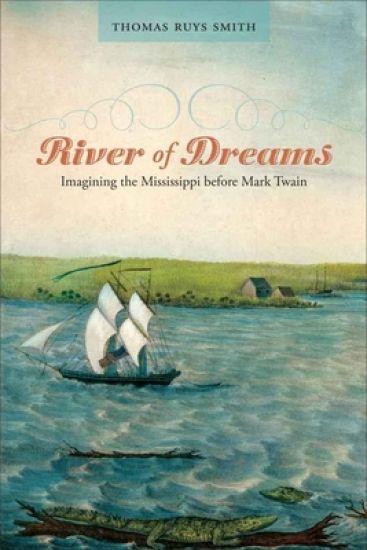
Even in the decades before Mark Twain enthralled the world with his evocative representations of the Mississippi, the river played an essential role in American culture and consciousness. Throughout the antebellum era, the Mississippi acted as a powerful symbol of America's conception of itself -- and the world's conception of America. As Twain understood, "The Mississippi is well worth reading about." Thomas Ruys Smith's River of Dreams is an examination of the Mississippi's role in the antebellum imagination, exploring its cultural position in literature, art, thought, and national life.Presidents, politicians, authors, poets, painters, and international celebrities of every variety experienced the Mississippi in its Golden Age. They left an extraordinary collection of representations of the river in their wake, images that evolved as America itself changed. From Thomas Jefferson's vision for the Mississippi to Andrew Jackson and the rowdy river culture of the early nineteenth century, Smith charts the Mississippi's shifting importance in the making of the nation. He examines the accounts of European travelers, including Frances Trollope, Charles Dickens, and William Makepeace Thackeray, whose views of the river were heavily influenced by the world of the steamboat and plantation slavery.Smith discusses the growing importance of visual representations of the Mississippi as the antebellum period progressed, exploring the ways in which views of the river, particularly giant moving panoramas that toured the world, echoed notions of manifest destiny and the westward movement. He evokes the river in the late antebellum years as a place of crime and mystery, especially in popular writing, and most notably in Herman Melville's The Confidence-Man. An epilogue discusses the Mississippi during the Civil War, when possession of the river became vital, symbolically as well as militarily. The epilogue also provides an introduction to Mark Twain, a product of the antebellum river world who was to resurrect its imaginative potential for a post-war nation and produce an iconic Mississippi that still flows through a wide and fertile floodplain in American literature.From empire building in the Louisiana Purchase to the trauma of the Civil War, the Mississippi's dominant symbolic meanings tracked the essential forces operating within the nation. As Smith shows in this groundbreaking work, the story of the imagined Mississippi River is the story of antebellum America itself.
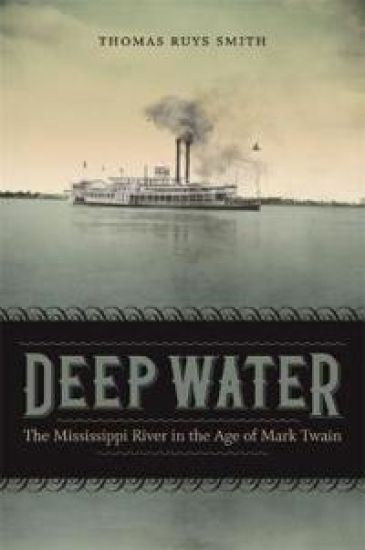
Mark Twain's visions of the Mississippi River offer some of the most indelible images in American literature: Huck and Jim floating downstream on their raft, Tom Sawyer and friends becoming pirates on Jackson's Island, the young Sam Clemens himself at the wheel of a steamboat. Through Twain's iconic river books, the Mississippi has become an imagined river as much as a real one. Yet despite the central place that Twain's river occupies in the national imaginary, until now no work has explored the shifting meaning of this crucial connection in a single volume.Thomas Ruys Smith's Deep Water: The Mississippi River in the Age of Mark Twain is the first book to provide a comprehensive narrative account of Twain's intimate and long-lasting creative engagement with the Mississippi. This expansive study traces two separate but richly intertwined stories of the river as America moved from the aftermath of the Civil War toward modernity. It follows Twain's remarkable connection to the Mississippi, from his early years on the river as a steamboat pilot, through his most significant literary statements, to his final reflections on the crooked stream that wound its way through his life and imagination. Alongside Twain's evolving relationship to the river, Deep Water details the thriving cultural life of the Mississippi in this period, from roustabouts to canoeists, from books for boys to blues songs, and highlights a diverse collection of voices each telling their own story of the river. Smith weaves together these perspectives, putting Twain and his creations in conversation with a dynamic cast of river characters who helped transform the Mississippi into a vibrant American icon.By balancing evocative cultural history with thought-provoking discussions of some of Twain's most important and beloved works, Deep Water gives readers a new sense of both the Mississippi and the remarkable writer who made the river his own.
Even in the decades before Mark Twain enthralled the world with his evocative representations of the Mississippi, the river played an essential role in American culture and consciousness. Throughout the antebellum era, the Mississippi acted as a powerful symbol of America's conception of itself - and the world's conception of America. As Twain understood, ""The Mississippi is well worth reading about."" Thomas Ruys Smith's River of Dreams is an examination of the Mississippi's role in the antebellum imagination, exploring its cultural position in literature, art, thought, and national life.Presidents, politicians, authors, poets, painters, and international celebrities of every variety experienced the Mississippi in its Golden Age. They left an extraordinary collection of representations of the river in their wake, images that evolved as America itself changed. From Thomas Jefferson's vision for the Mississippi to Andrew Jackson and the rowdy river culture of the early nineteenth century, Smith charts the Mississippi's shifting importance in the making of the nation. He examines the accounts of European travelers, including Frances Trollope, Charles Dickens, and William Makepeace Thackeray, whose views of the river were heavily influenced by the world of the steamboat and plantation slavery.Smith discusses the growing importance of visual representations of the Mississippi as the antebellum period progressed, exploring the ways in which views of the river, particularly giant moving panoramas that toured the world, echoed notions of manifest destiny and the westward movement. He evokes the river in the late antebellum years as a place of crime and mystery, especially in popular writing, and most notably in Herman Melville's The Confidence-Man. An epilogue discusses the Mississippi during the Civil War, when possession of the river became vital, symbolically as well as militarily. The epilogue also provides an introduction to Mark Twain, a product of the antebellum river world who was to resurrect its imaginative potential for a post-war nation and produce an iconic Mississippi that still flows through a wide and fertile floodplain in American literature.From empire building in the Louisiana Purchase to the trauma of the Civil War, the Mississippi's dominant symbolic meanings tracked the essential forces operating within the nation. As Smith shows in this groundbreaking work, the story of the imagined Mississippi River is the story of antebellum America itself.