Kirjojen hintavertailu. Mukana 12 390 323 kirjaa ja 12 kauppaa.

Kirjailija

Thomas Vennum

Kirjat ja teokset yhdessä paikassa: 5 kirjaa, julkaisuja vuosilta 1988-2009, suosituimpien joukossa Lacrosse Legends of the First Americans. Vertaile teosten hintoja ja tarkista saatavuus suomalaisista kirjakaupoista.

5 kirjaa

Kirjojen julkaisuhaarukka 1988-2009.

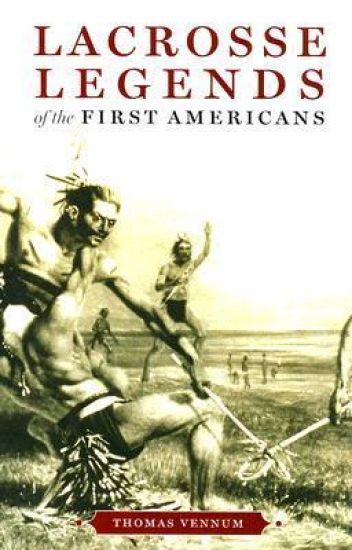
Lacrosse Legends of the First Americans

Lacrosse Legends of the First Americans

Thomas Vennum

Johns Hopkins University Press
2007
sidottu
An ancient Native American sport, lacrosse was originally played to resolve conflicts, heal the sick, and develop strong, virile men. In Lacrosse Legends of the First Americans, Thomas Vennum draws on centuries of oral tradition to collect thirteen legends from five tribes-the Cherokee, Ho-Chunk (Winnebago), Seneca, Ojibwa, and Menominee. Reflecting the game's origins and early history, these myths provide a glimpse into Native American life and the role of the "Creator's Game" in tribal culture. From the Great Game in which the Birds defeated the Quadrupeds to high-stakes contests after which the losers literally lost their heads, these stories reveal the fascinating spiritual world of the first lacrosse players as well as the violent reality of the original sport. Lacrosse enthusiasts will learn about game equipment, ritual preparations, dress, and style of play, from stick handling to scoring. They will discover how the "coach"-a medicine man-conjured potions to prevent game injuries or make the opponent's leg cramp as well as how early craftsmen identified the perfect tree-marked by a lightning strike-from which to carve a lacrosse stick.The game is no longer played by large numbers of men on mile-long fields, and plastic, titanium, and nylon have replaced hickory and ash, leather, and catgut. As lacrosse continues to evolve, this collection will help us remember and understand its rich and complex history.
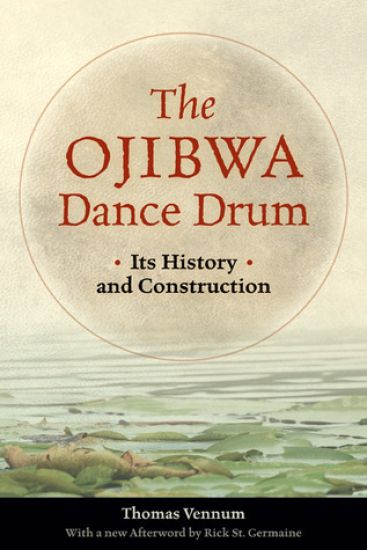
Ojibwa Dance Drum

Ojibwa Dance Drum

Thomas Vennum; Rick Germaine

Minnesota Historical Society Press,U.S.
2009
nidottu
Hiding in a lake under lily pads after fleeing U.S. soldiers, a Dakota woman was given a vision over the course of four days instructing her to build a large drum and teaching her the songs that would bring peace and end the killing of her people. From the Dakota, the "big drum" spread throughout the Algonquian-speaking tribes to the Ojibwe, becoming the centrepiece of their religious ceremonies. This edition of The Ojibwe Dance Drum, originally created through the collaboration of Ojibwe drum maker and singer William Bineshii Baker Sr and folklorist Thomas Vennum, has a new introduction by history professor Rick St. Germaine that discusses the research behind this book and updates readers on the recent history of the Ojibwe Drum Dance.
American Indian Lacrosse

American Indian Lacrosse

Thomas Vennum

Johns Hopkins University Press
2008
pokkari
To understand the aboriginal roots of lacrosse, one must enter a world of spiritual belief and magic where players sewed inchworms into the innards of lacrosse balls and medicine men gazed at miniature lacrosse sticks to predict future events, where bits of bat wings were twisted into the stick's netting, and where famous players were-and are still-buried with their sticks. Here Thomas Vennum brings this world to life.
Lacrosse Legends of the First Americans

Lacrosse Legends of the First Americans

Thomas Vennum

Johns Hopkins University Press
2007
pokkari
An ancient Native American sport, lacrosse was originally played to resolve conflicts, heal the sick, and develop strong, virile men. In Lacrosse Legends of the First Americans, Thomas Vennum draws on centuries of oral tradition to collect thirteen legends from five tribes-the Cherokee, Ho-Chunk (Winnebago), Seneca, Ojibwa, and Menominee. Reflecting the game's origins and early history, these myths provide a glimpse into Native American life and the role of the "Creator's Game" in tribal culture. From the Great Game in which the Birds defeated the Quadrupeds to high-stakes contests after which the losers literally lost their heads, these stories reveal the fascinating spiritual world of the first lacrosse players as well as the violent reality of the original sport. Lacrosse enthusiasts will learn about game equipment, ritual preparations, dress, and style of play, from stick handling to scoring. They will discover how the "coach"-a medicine man-conjured potions to prevent game injuries or make the opponent's leg cramp as well as how early craftsmen identified the perfect tree-marked by a lightning strike-from which to carve a lacrosse stick. The game is no longer played by large numbers of men on mile-long fields, and plastic, titanium, and nylon have replaced hickory and ash, leather, and catgut. As lacrosse continues to evolve, this collection will help us remember and understand its rich and complex history.
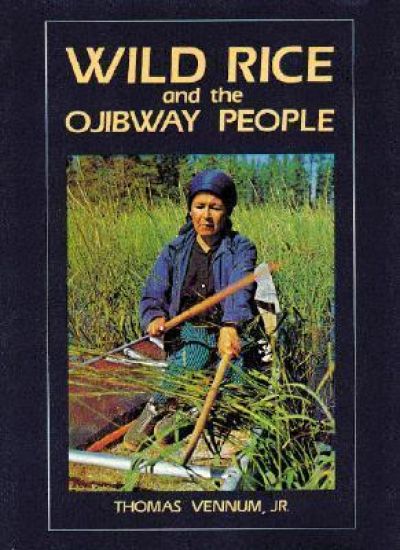
Wild Rice and the Ojibway People

Wild Rice and the Ojibway People

Thomas Vennum

Minnesota Historical Society Press,U.S.
1988
nidottu
Wild rice has always been essential to life in the Upper Midwest and neighboring Canada. In this far-reaching book, Thomas Vennum, Jr., uses travelers' narratives, historical and ethnological accounts, scientific data, historical and contemporary photographs and sketches, his own field work, and the words of Indian people to examine the importance of this wild food to the Ojibway people. He details the technology of harvesting and processing, from seventeenth-century reports though modern mechanization. He explains the important place of wild rice in Ojibway ceremony and legend and depicts the rich social life of the traditional rice camps. And he reviews the volatile issues of treaty rights and litigations involving Indian problems in maintaining this traditional resource. A staple of the Ojibway diet and economy for centuries, wild rice has now become a gourmet food. With twentieth-century agricultural technology and paddy cultivation, white growers have virtually removed this important source of income from Indain hands. Nevertheless, the Ojibway continue to harvest and process rice each year. It remains a vital part of their social, cultural, and religious life.