Kirjojen hintavertailu. Mukana 12 390 323 kirjaa ja 12 kauppaa.

Kirjailija

Thomas W. Myers

Kirjat ja teokset yhdessä paikassa: 6 kirjaa, julkaisuja vuosilta 2006-2026, suosituimpien joukossa Anatomy Trains. Vertaile teosten hintoja ja tarkista saatavuus suomalaisista kirjakaupoista.

6 kirjaa

Kirjojen julkaisuhaarukka 2006-2026.

Anatomy Trains

Anatomy Trains

Thomas W. Myers

Elsevier Health Sciences
2026
nidottu
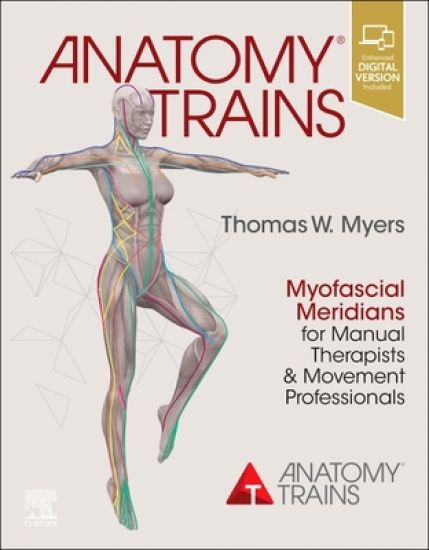
Enhance manual therapy with a full understanding of the body's interconnected fascial networks! A worldwide bestseller, Anatomy Trains: Myofascial Meridians for Manual Therapists and Movement Professionals uses a unique whole-systems approach to demonstrate how patterns of pain or strain communicate through the myofascial webbing - giving rise to new treatment strategies for improving posture and movement function. This fifth edition is updated with the latest evidence-based research and includes a new, larger library of videos, including animations and webinars with the author. Written by practitioner and lecturer Thomas W. Myers, this text uses the metaphor of railway or train lines to show the effects that interconnecting myofascial and muscles have on the sites beyond their immediate locality. An ebook version - included with print purchase - allows you to access all of the text, figures, and references, with the ability to search, customize your content, make notes and highlights, and have content read aloud on a variety of devices. The ebook also includes video clips and audio clips. Revolutionary approach to the study of human anatomy provides a holistic map of myoanatomy to help improve the outcomes of physical therapies that are traditionally used to manage pain and other musculoskeletal disorders. Relevant theory descriptions are applied to all common types of movement, posture analysis, and physical treatment modalities. Intuitive content organization allows you to reference the concept quickly or gain a more detailed understanding of any given area according to need. Section on myofascial force transmission in gait dynamics is written by guest author James Earls. Robust appendices discuss the relevance of the Anatomy Trains concept to the work of Dr. Louis Schultz (Meridians of Latitude), Ida Rolf (Structural Integration), and correspondences with acupuncture meridians. Wide appeal of content is relevant to all types of movement therapists and bodyworkers, including physical therapists, massage therapists, structural integration practitioners, craniosacral therapists, osteopaths, chiropractors, manual therapists, acupuncturists, yoga teachers, and personal trainers. NEW! Updated content reflects research updates in the field of fascia and the latest science behind common clinical findings. NEW! Video clips provide a better understanding of the content in the text. NEW! Updated Body Content chapter is included in this edition.
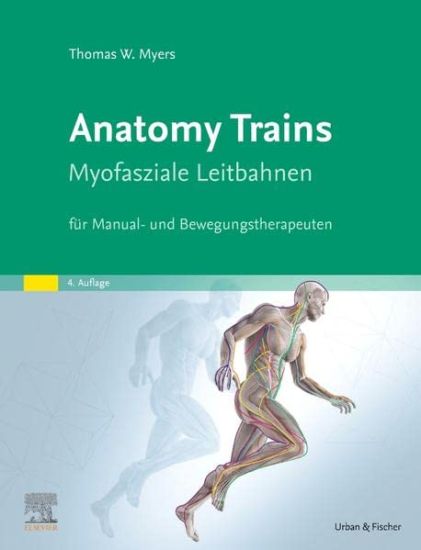
Anatomy Trains

Anatomy Trains

Thomas W. Myers

Elsevier Health Sciences
2020
nidottu
Get a multi-dimensional understanding of musculoskeletal anatomy with Anatomy Trains: Myofascial Meridians for Manual Therapists & Movement Professionals, 4th Edition. This hugely successful, one-of-a-kind title continues to center on the application of anatomy trains across a variety of clinical assessment and treatment approaches - demonstrating how painful problems in one area of the body can be linked to a "silent area" away from the problem, and ultimately giving rise to new treatment strategies. This edition has been fully updated with the latest evidence-based research and includes new coverage of anatomy trains in motion using Pilates-evolved movement, anatomy trains in horses and dogs, and the updated fascial compendium on elements, properties, neurology, and origins of the fascial system. It also offers a new, larger library of videos, including animations and webinars with the author. In all, this unique exploration of the role of fascial in healthy movement and postural distortion is an essential read for physical therapists, massage therapists, craniosacral therapists, yoga instructors, osteopathologists, manual therapists, athletic and personal trainers, dance instructors, chiropractors, acupuncturists, and any professional working in the field of movement. Revolutionary approach to the study of human anatomy provides a holistic map of myoanatomy to help improve the outcomes of physical therapies that are traditionally used to manage pain and other musculoskeletal disorders. Relevant theory descriptions are applied to all common types of movement, posture analysis, and physical treatment modalities. Intuitive content organization allows students to reference the concept quickly or gain a more detailed understanding of any given area according to need. Section on myofascial force transmission in gait dynamics is written by guest author James Earls. Robust appendices discuss the relevance of the Anatomy Trains concept to the work of Dr Louis Schultz (Meridians of Latitude), Ida Rolf (Structural Integration), and correspondences with acupuncture meridians. New photos and images of fascial tissues, adhesions, and layers provide a better understanding of text content. Revised and expanded content reflects the most up-to-date research and latest evidence for the scientific basis of common clinical findings. New, larger library of videos includes animations and webinars with the author. New Anatomy Trains in Motion section by guest author Karin Gurtner uses Pilates-evolved movement to explore strength and plasticity along myofascial meridians. New addition: Anatomy Trains in Quadrupeds (horses and dogs) is mapped for equine and pet therapies by Rikke Schultz, DVM, Tove Due, DVM, and Vibeke Elbrønd, DVM, PhD. New appendix: Updated fascial compendium on elements, properties, neurology, and origins of the fascial system. NEW! enhanced eBook version is included with print purchase, which allows students to access all of the text, figures, and references from the book on a variety of devices.
Fascial and Membrane Technique

Fascial and Membrane Technique

Peter Schwind; Thomas W. Myers; Jean-Pierre Barral

Churchill Livingstone
2006
nidottu
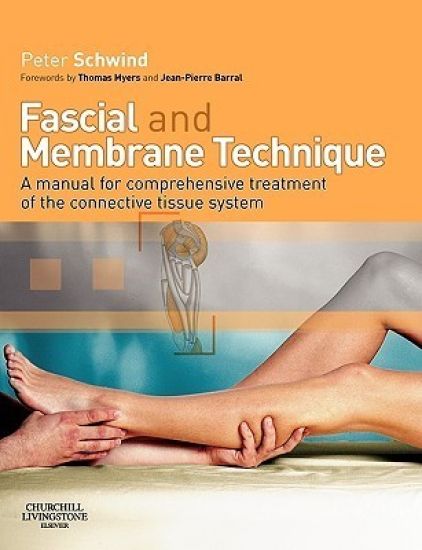
Focuses on diagnosis and treatment of the breathing patterns that manifest in the myofascial system; minimalistic as well as global application joint techniques; visceral techniques in the myofascial context; and special treatment techniques in the craniosacral area.