

Kirjailija
Thomas Wilhelm
Kirjat ja teokset yhdessä paikassa: 12 kirjaa, julkaisuja vuosilta 2010-2026, suosituimpien joukossa Das WEFF-System. Vertaile teosten hintoja ja tarkista saatavuus suomalaisista kirjakaupoista.
12 kirjaa
Kirjojen julkaisuhaarukka 2010-2026.
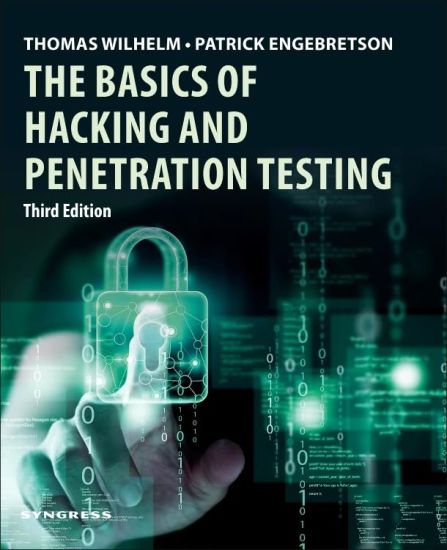
The Basics of Hacking and Penetration Testing
Thomas Wilhelm; Patrick Engebretson
Syngress Publishing
2026
nidottu
The Basics of Hacking and Penetration Testing, Third Edition, serves as an introduction to the steps required to complete a penetration test or perform an ethical hack from beginning to end. The book teaches readers how to properly utilize and interpret the results of the modern-day hacking tools required to complete a penetration test. It provides a simple and clear explanation of how to effectively utilize these tools, along with a four-step methodology for conducting a penetration test or hack, thus equipping readers with the know-how required to jump start their careers and gain a better understanding of offensive security. Each chapter contains hands-on examples and exercises that are designed to teach learners how to interpret results and utilize those results in later phases. The new Third Edition of this book includes six all-new chapters, and has been completely updated to the most current industry-standard tools, testing methodology and exploitable targets. New chapters on setting up a Pen Testing Lab and Hacking Careers have been added to expand and update the book. This is complemented by videos for use in class. This book is an ideal resource for security consultants, beginning InfoSec professionals, and students.





A Military Dictionary and Gazetteer; Comprising ancient and modern military technical terms, historical accounts of all North American Indians, as well as ancient warlike tribes; also notices of battles from the earliest period to the present time, with a co
Thomas Wilhelm
ALPHA EDITION
2023
pokkari


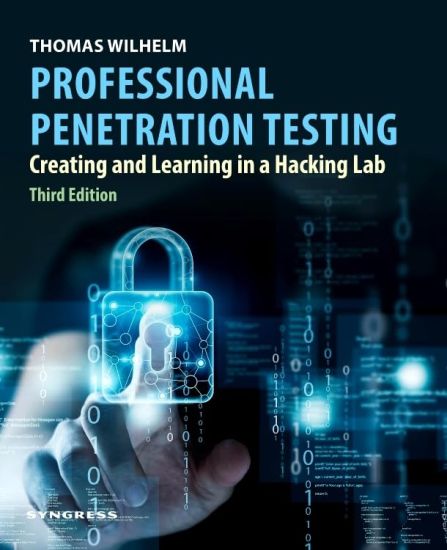
Professional Penetration Testing walks you through the entire process of setting up and running a pen test lab. Penetration testing—the act of testing a computer network to find security vulnerabilities before they are maliciously exploited—is a crucial component of information security in any organization. With this book, you will find out how to turn hacking skills into a professional career. Chapters cover planning, metrics, and methodologies; the details of running a pen test, including identifying and verifying vulnerabilities; and archiving, reporting and management practices. Author Thomas Wilhelm has delivered penetration testing training to countless security professionals, and now through the pages of this book you can benefit from his years of experience as a professional penetration tester and educator. After reading this book, you will be able to create a personal penetration test lab that can deal with real-world vulnerability scenarios. All disc-based content for this title is now available on the Web.
Ninja Hacking offers insight on how to conduct unorthodox attacks on computing networks, using disguise, espionage, stealth, and concealment. This book blends the ancient practices of Japanese ninjas, in particular the historical Ninjutsu techniques, with the present hacking methodologies. It looks at the methods used by malicious attackers in real-world situations and details unorthodox penetration testing techniques by getting inside the mind of a ninja. It also expands upon current penetration testing methodologies including new tactics for hardware and physical attacks. This book is organized into 17 chapters. The first two chapters incorporate the historical ninja into the modern hackers. The white-hat hackers are differentiated from the black-hat hackers. The function gaps between them are identified. The next chapters explore strategies and tactics using knowledge acquired from Sun Tzu's The Art of War applied to a ninja hacking project. The use of disguise, impersonation, and infiltration in hacking is then discussed. Other chapters cover stealth, entering methods, espionage using concealment devices, covert listening devices, intelligence gathering and interrogation, surveillance, and sabotage. The book concludes by presenting ways to hide the attack locations and activities. This book will be of great value not only to penetration testers and security professionals, but also to network and system administrators as well as hackers.