Kirjojen hintavertailu. Mukana 12 595 353 kirjaa ja 12 kauppaa.

Kirjailija

Thomas Zeller

Kirjat ja teokset yhdessä paikassa: 4 kirjaa, julkaisuja vuosilta 2007-2022, suosituimpien joukossa Driving Germany. Vertaile teosten hintoja ja tarkista saatavuus suomalaisista kirjakaupoista.

4 kirjaa

Kirjojen julkaisuhaarukka 2007-2022.

Consuming Landscapes

Consuming Landscapes

Thomas Zeller

Johns Hopkins University Press
2022
sidottu
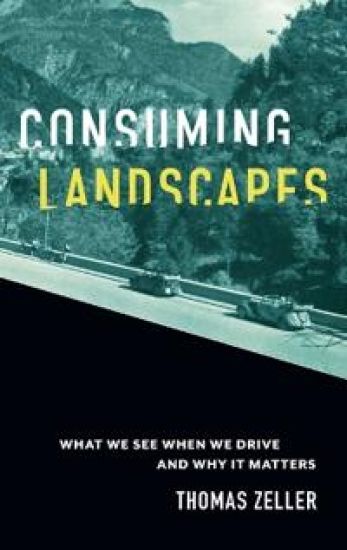
What we see through our windshields reflects ideas about our national identity, consumerism, and infrastructure.For better or worse, windshields have become a major frame for viewing the nonhuman world. The view from the road is one of the main ways in which we experience our environments. These vistas are the result of deliberate historical forces, and humans have shaped them as they simultaneously sought to be transformed by them. In Consuming Landscapes, Thomas Zeller explores how what we see while driving reflects how we view our societies and ourselves, the role that consumerism plays in our infrastructure, and ideas about reshaping the environment in the twentieth century.Zeller breaks new ground by comparing the driving experience and the history of landscaped roads in the United States and Germany, two major automotive countries. He focuses specifically on the Blue Ridge Parkway in the United States and the German Alpine Road as case studies. When the automobile was still young, an early twentieth-century group of designers—landscape architects, civil engineers, and planners—sought to build scenic infrastructures, or roads that would immerse drivers in the landscapes that they were traversing. As more Americans and Europeans owned cars and drove them, however, they became less interested in enchanted views; safety became more important than beauty. Clashes between designers and drivers resulted in different visions of landscapes made for automobiles. As strange as it may seem to twenty-first-century readers, many professionals in the early twentieth century envisioned cars and roads, if properly managed, as saviors of the environment. Consuming Landscapes illustrates how the meaning of infrastructures changed as a result of use and consumption. Such changes indicate a deep ambivalence toward the automobile and roads, prompting the question: can cars and roads bring us closer to nature while deeply altering it at the same time?

Vascular Medicine

Vascular Medicine

Thomas Zeller; Thomas Cissarek; William Gray; Knut Kröger

Thieme Publishing Group
2014
sidottu
Current methods of diagnosis and treatment in the specialty of angiology Vascular Medicine, Second Edition presents the current methods of diagnosis and treatment across the entire specialty of angiology, providing clear guidance on vascular medicine from well-known specialists. Updates include coverage of recent advances in endovascular therapy, an introductory anatomy section in each chapter, and a detailed duplex ultrasonography section for every vascular region. This new edition also contains chapters on the increasingly important areas of acute stroke treatment and renal sympathectomy, each written by leading experts in those treatment methods. Key Features: Focuses on the medical as well as the surgical aspects of angiology Complete coverage of all three treatment options: conservative treatment, endovascular therapy, and surgery Interdisciplinary approach that includes outpatient medicine, vascular medicine, cardiology, and radiologyAll medical specialists involved in vascular medicine, as well as interventional specialists and vascular surgeons, will find this book to be an invaluable reference throughout their careers.
Driving Germany

Driving Germany

Thomas Zeller

Berghahn Books
2010
nidottu
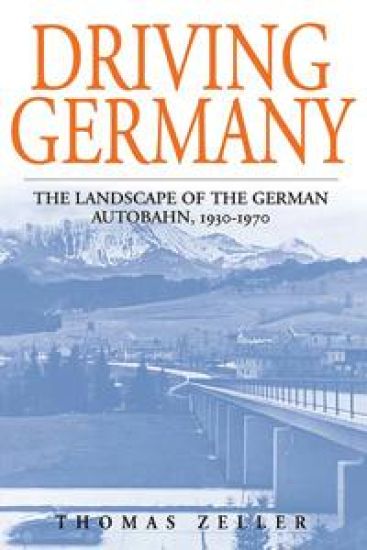
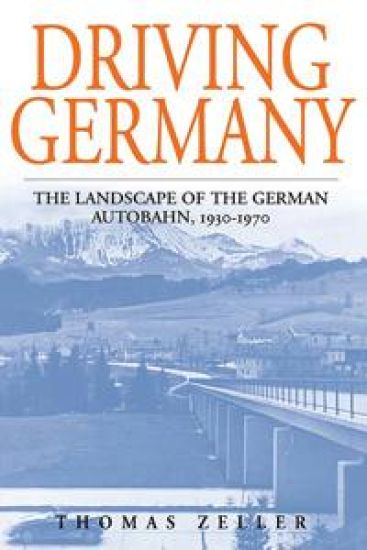
Published in Association with the German Historical Institute, Washington, D.C. Hitler's autobahn was more than just the pet project of an infrastructure-friendly dictator. It was supposed to revolutionize the transportation sector in Germany, connect the metropoles with the countryside, and encourage motorization. The propaganda machinery of the Third Reich turned the autobahn into a hyped-up icon of the dictatorship. One of the claims was that the roads would reconcile nature and technology. Rather than destroying the environment, they would embellish the landscape. Many historians have taken this claim at face value and concluded that the Nazi regime harbored an inbred love of nature. In this book, the author argues that such conclusions are misleading. Based on rich archival research, the book provides the first scholarly account of the landscape of the autobahn.
Driving Germany

Driving Germany

Thomas Zeller

Berghahn Books
2007
sidottu
Published in Association with the German Historical Institute, Washington, D.C. Hitler's autobahn was more than just the pet project of an infrastructure-friendly dictator. It was supposed to revolutionize the transportation sector in Germany, connect the metropoles with the countryside, and encourage motorization. The propaganda machinery of the Third Reich turned the autobahn into a hyped-up icon of the dictatorship. One of the claims was that the roads would reconcile nature and technology. Rather than destroying the environment, they would embellish the landscape. Many historians have taken this claim at face value and concluded that the Nazi regime harbored an inbred love of nature. In this book, the author argues that such conclusions are misleading. Based on rich archival research, the book provides the first scholarly account of the landscape of the autobahn.