Kirjojen hintavertailu. Mukana 12 595 353 kirjaa ja 12 kauppaa.

Kirjailija

Tietie Zhang

Kirjat ja teokset yhdessä paikassa: 2 kirjaa, julkaisuja vuosilta 2018-2020, suosituimpien joukossa Ad Hoc Arbitration in China. Vertaile teosten hintoja ja tarkista saatavuus suomalaisista kirjakaupoista.

2 kirjaa

Kirjojen julkaisuhaarukka 2018-2020.

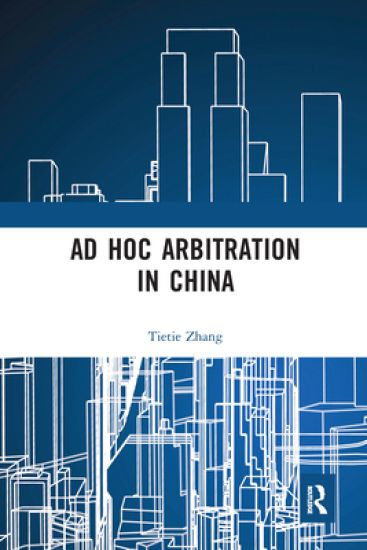
Ad Hoc Arbitration in China

Ad Hoc Arbitration in China

Tietie Zhang

Routledge
2020
nidottu
Arbitration is the dominant method in the world for resolving international commercial disputes. As compared with institutional arbitration, ad hoc arbitration has many advantages that make it a preferred way to resolve commercial disputes on many occasions. The Arbitration Law of the People’s Republic of China, however, requires that parties appoint an arbitration institution in their arbitration agreement; otherwise an ad hoc arbitration agreement is invalid. This rule seems to preclude ad hoc arbitration under Chinese law and threatens the validity of many arbitration agreements that are imperfectly drafted. Fortunately, however, this does not mean Chinese courts will never enforce an ad hoc arbitration agreement or an ad hoc arbitration award. This book informs parties and practitioners of potential pitfalls related to ad hoc arbitration in China and offers practical guidance. It also conducts a comparative study of the history of arbitration in the Western world and in China, to identify the reasons for this hostility to ad hoc arbitration and calls for changes to this requirement under Chinese law.
Ad Hoc Arbitration in China

Ad Hoc Arbitration in China

Tietie Zhang

CRC Press Inc
2018
sidottu
Arbitration is the dominant method in the world for resolving international commercial disputes. As compared with institutional arbitration, ad hoc arbitration has many advantages that make it a preferred way to resolve commercial disputes on many occasions. The Arbitration Law of the People’s Republic of China, however, requires that parties appoint an arbitration institution in their arbitration agreement; otherwise an ad hoc arbitration agreement is invalid. This rule seems to preclude ad hoc arbitration under Chinese law and threatens the validity of many arbitration agreements that are imperfectly drafted. Fortunately, however, this does not mean Chinese courts will never enforce an ad hoc arbitration agreement or an ad hoc arbitration award. This book informs parties and practitioners of potential pitfalls related to ad hoc arbitration in China and offers practical guidance. It also conducts a comparative study of the history of arbitration in the Western world and in China, to identify the reasons for this hostility to ad hoc arbitration and calls for changes to this requirement under Chinese law.