Kirjojen hintavertailu. Mukana 12 643 225 kirjaa ja 12 kauppaa.
Kirjailija
Tim Lister
Kirjat ja teokset yhdessä paikassa: 6 kirjaa, julkaisuja vuosilta 2013-2026, suosituimpien joukossa Agentti Storm. Vertaile teosten hintoja ja tarkista saatavuus suomalaisista kirjakaupoista.
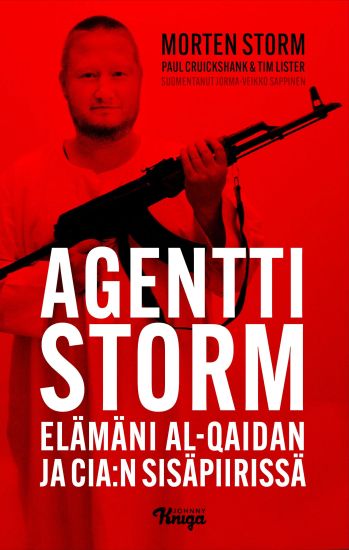
Ateistista jihadistiksi ja jihadistista salaiseksi agentiksi. Tosielämän vakoojatarina tanskalaisnuoresta, joka päätyi jihadistiksi ja edelleen osaksi hengenvaarallista terroristijahtia CIA:n agenttina. Morten Storm on ailahtelevainen nuori, jonka elämä saa suunnan hänen löytäessään kirjan profeetta Muhammedista. Storm kääntyy islamiin ja radikalisoituu toden teolla. Kymmenen jihadistivuoden jälkeen hän sanoutuu irti extremismistä ja alkaa sovituksen elkeenä työskennellä läntisten tiedustelupalveluiden salaisena agenttina. Peiteroolissaan Storm joutuu räjähdysherkkiin tilanteisiin joukkomurhia suunnittelevien fanaattisten miesten keskuudessa. Hän väistelee lennokki-iskuja al-Qaidan johtajien kanssa ja järjestää hunaja-ansoja entisille aateveljilleen. Rajuissa muistelmissa maistuvat veri, hiekka ja lasinsirut, kun Storm kysyy, onko radikalisoituminen estettävissä. Morten Storm on tanskalainen entinen islamistiterroristi, joka toimi kaksoisagenttina Yhdysvaltojen, Britannian ja Tanskan tiedustelupalveluille. Paul Cruickshank on CNN:n terrorismiasiantuntija ja tutkija. Tim Lister on CNN:n ja BBC:n toimittaja, joka on työskennellyt Lähi-idässä.
As one of al-Qaeda’s most respected bomb-makers, Aimen Dean rubbed shoulders with the mastermind of the 9/11 attacks and swore allegiance to Osama bin Laden. As a double agent at the heart of al-Qaeda’s chemical weapons programme, he foiled attacks on civilians and saved countless lives, brushing with death so often that his handlers began to call him their spy with nine lives. This is the story of how a young Muslim, determined to defend his faith, found himself fighting on the wrong side – and his fateful decision to work undercover for his sworn enemy. From the killing fields of Bosnia to the training camps of Afghanistan, from running money and equipment in Britain to dodging barrel bombs in Syria, we discover what life is like inside the global jihad, and what it will take to stop it once and for all.
Morten Storm was an unlikely jihadi. A six-foot-one red-haired Dane, Storm spent his teens in and out of trouble. A book about the Prophet Mohammed prompted his conversion to Islam, and Storm sought purpose in a community of believers. He attended a militant madrasah in Yemen, named his son Osama, and became close friends with Anwar al-Awlaki, the American-born terrorist cleric. But after a decade of jihadi life, he not only repudiated extremism but, in a quest for atonement, became a double agent for the CIA and British and Danish intelligence. Agent Storm takes readers inside the jihadist world like never before, showing the daily life of zealous men set on mass murder, from dodging drones with al Qaeda leaders in the Arabian desert to training in extremist gyms in Britain and performing supply drops in Kenya. The book also provides a tantalizing look at his dangerous life undercover, as Storm traveled the world for missions targeting its most dangerous terrorists, and into the most powerful spy agencies: their tradecraft, rivalries, and late-night carousing, as well as their ruthless use of a beautiful blonde in an ambitious honey trap. Agent Storm is a captivating, utterly unique, real-life espionage tale.
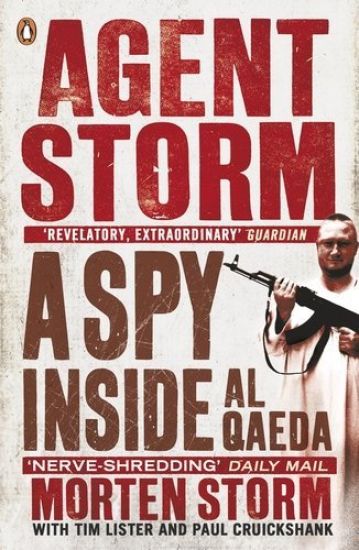
He was the Western convert who would plunge deep inside al-Qaeda. He named his first son Osama after 9/11 and became a Jihadist. But then - after a sudden loss of faith - Morten Storm made a life-changing decision. He became a double agent and joined the CIA, MI6 and MI5.Filled with hair-raising close calls and deception, Storm's story builds to the climactic finale when he must betray his friend and mentor al-Awlaki - al-Qaeda's biggest threat to the West. Storm is trusted to find al-Awlaki a wife from Europe. She becomes the bait for a possible American drone strike.
Few books in computing have had as profound an influence on software management as Peopleware. The unique insight of this longtime best seller is that the major issues of software development are human, not technical. They’re not easy issues; but solve them, and you’ll maximize your chances of success. “Peopleware has long been one of my two favorite books on software engineering. Its underlying strength is its base of immense real experience, much of it quantified. Many, many varied projects have been reflected on and distilled; but what we are given is not just lifeless distillate, but vivid examples from which we share the authors’ inductions. Their premise is right: most software project problems are sociological, not technological. The insights on team jelling and work environment have changed my thinking and teaching. The third edition adds strength to strength.” — Frederick P. Brooks, Jr., Kenan Professor of Computer Science, University of North Carolina at Chapel Hill, Author of The Mythical Man-Month and The Design of Design “Peopleware is the one book that everyone who runs a software team needs to read and reread once a year. In the quarter century since the first edition appeared, it has become more important, not less, to think about the social and human issues in software develop¿ment. This is the only way we’re going to make more humane, productive workplaces. Buy it, read it, and keep a stock on hand in the office supply closet.” —Joel Spolsky, Co-founder, Stack Overflow “When a book about a field as volatile as software design and use extends to a third edition, you can be sure that the authors write of deep principle, of the fundamental causes for what we readers experience, and not of the surface that everyone recognizes. And to bring people, actual human beings, into the mix! How excellent. How rare. The authors have made this third edition, with its additions, entirely terrific.” —Lee Devin and Rob Austin, Co-authors of The Soul of Design and Artful Making For this third edition, the authors have added six new chapters and updated the text throughout, bringing it in line with today’s development environments and challenges. For example, the book now discusses pathologies of leadership that hadn’t previously been judged to be pathological; an evolving culture of meetings; hybrid teams made up of people from seemingly incompatible generations; and a growing awareness that some of our most common tools are more like anchors than propellers. Anyone who needs to manage a software project or software organization will find invaluable advice throughout the book.