
Kirjailija
Timothy C. Winegard
Kirjat ja teokset yhdessä paikassa: 8 kirjaa, julkaisuja vuosilta 2011-2024, suosituimpien joukossa The First World Oil War. Vertaile teosten hintoja ja tarkista saatavuus suomalaisista kirjakaupoista.
8 kirjaa
Kirjojen julkaisuhaarukka 2011-2024.
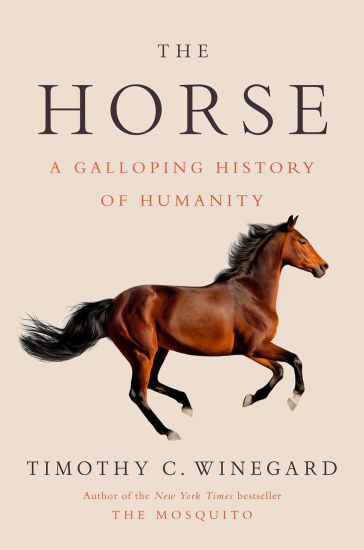
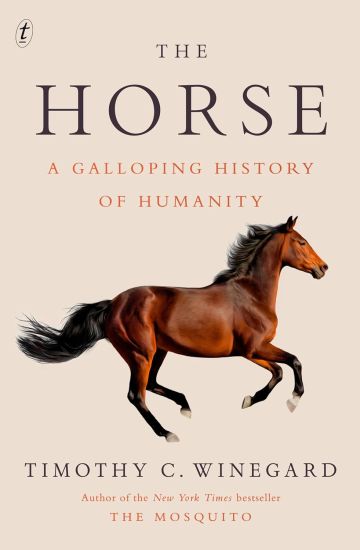
THE NATIONAL BESTSELLER High Plains International Book Award Finalist Shortlisted for the Reading the West Book Award One of The Economist's Best Books of the Year An Amazon Best Book of the Month A Next Big Idea Club Must-Read Book From New York Times bestselling author of The Mosquito, the incredible story of how the horse shaped human history Timothy C. Winegard's The Horse is an epic history unlike any other. Its story begins more than 5,500 years ago on the windswept grasslands of the Eurasian Steppe; when one human tamed one horse, an unbreakable bond was forged and the future of humanity was instantly rewritten, placing the reins of destiny firmly in human hands. Since that pivotal day, the horse has carried the history of civilizations on its powerful back. For millennia it was the primary mode of transportation, an essential farming machine, a steadfast companion, and a formidable weapon of war. Possessing a unique combination of size, speed, strength, and stamina, the horse dominated every facet of human life and shaped the very scope of human ambition. And we still live among its galloping shadows. Horses revolutionized the way we hunted, traded, traveled, farmed, fought, worshipped, and interacted. They fundamentally reshaped the human genome and the world's linguistic map. They determined international borders, molded cultures, fueled economies, and built global superpowers. They decided the destinies of conquerors and empires. And they were vectors of lethal disease and contributed to lifesaving medical innovations. Horses even inspired architecture, invention, furniture, and fashion. From the thundering cavalry charges of Alexander the Great to the streets of New York during the Great Manure Crisis of 1894 and beyond, horses have shaped both the grand arc of history and our everyday lives. Driven by fascinating revelations and fast-paced storytelling, The Horse is a riveting narrative of this noble animal's unrivaled and enduring reign across human history. To know the horse is to understand the world.

The First World Oil War
Timothy C. Winegard; Sir Hew Strachan
University of Toronto Press
2016
sidottu
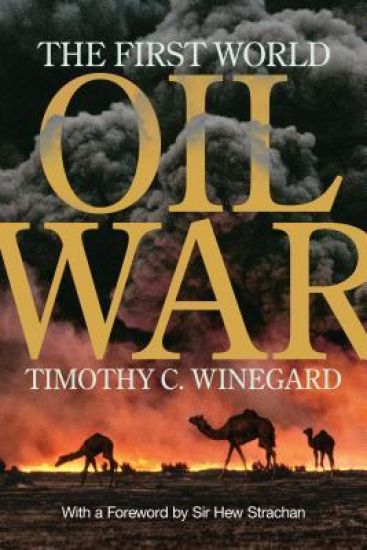
Oil is the source of wealth and economic opportunity. Oil is also the root source of global conflict, toxicity and economic disparity. When did oil become such a powerful commodity-during, and in the immediate aftermath of, the First World War. In his groundbreaking book The First World Oil War, Timothy C. Winegard argues that beginning with the First World War, oil became the preeminent commodity to safeguard national security and promote domestic prosperity. For the first time in history, territory was specifically conquered to possess oil fields and resources; vital cogs in the continuation of the industrialized warfare of the Twentieth Century. This original and pioneering study analyzes the evolution of oil as a catalyst for both war and diplomacy, and connects the events of the First World War to contemporary petroleum geo-politics and international aggression.
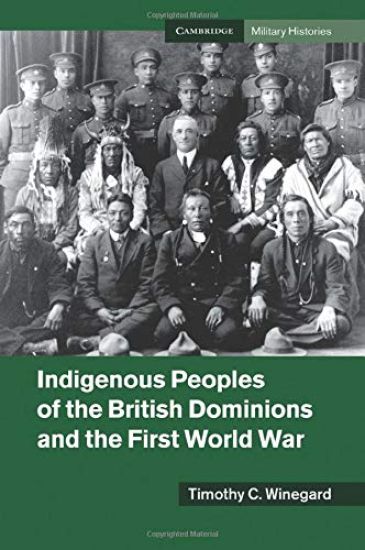
Indigenous Peoples of the British Dominions and the First World War
Timothy C. Winegard
Cambridge University Press
2014
pokkari
This pioneering comparative history of the participation of indigenous peoples of the British Empire in the First World War is based upon archival research in four continents. It provides the first comprehensive examination and comparison of how indigenous peoples of Canada, Australia, Newfoundland, New Zealand and South Africa experienced the Great War. The participation of indigenes was an extension of their ongoing effort to shape and alter their social and political realities, their resistance to cultural assimilation or segregation and their desire to attain equality through service and sacrifice. While the dominions discouraged indigenous participation at the outbreak of war, by late 1915 the imperial government demanded their inclusion to meet the pragmatic need for military manpower. Indigenous peoples responded with patriotism and enthusiasm both on the battlefield and the home front and shared equally in the horrors and burdens of the First World War.
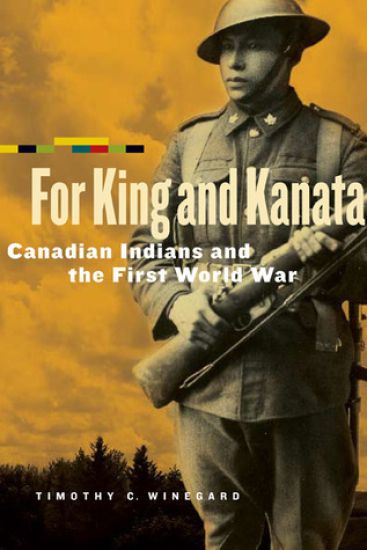
The first comprehensive history of the Aboriginal First World War experience on the battlefield and the home front. When the call to arms was heard at the outbreak of the First World War, Canada's First Nations pledged their men and money to the Crown to honour their long-standing tradition of forming military alliances with Europeans during times of war, and as a means of resisting cultural assimilation and attaining equality through shared service and sacrifice.Initially, the Canadian government rejected these offers based on the belief that status Indians were unsuited to modern, civilized warfare. But in 1915, Britain intervened and demanded Canada actively recruit Indian soldiers to meet the incessant need for manpower. Thus began the complicated relationships between the Imperial Colonial and War Offices, the Department of Indian Affairs, and the Ministry of Militia that would affect every aspect of the war experience for Canada's Aboriginal soldiers. In his groundbreaking new book, For King and Kanata, Timothy C. Winegard reveals how national and international forces directly influenced the more than 4,000 status Indians who voluntarily served in the Canadian Expeditionary Force between 1914 and 1919 - a per capita percentage equal to that of Euro-Canadians - and how subsequent administrative policies profoundly affected their experiences at home, on the battlefield, and as returning veterans.
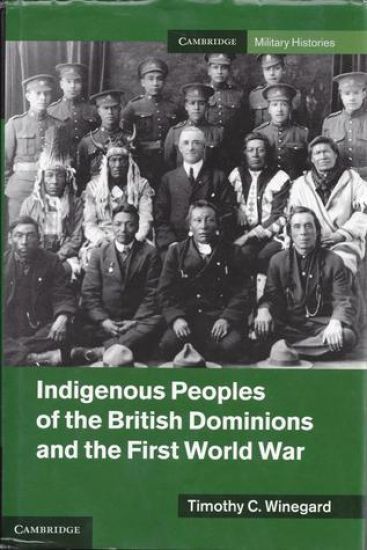
Indigenous Peoples of the British Dominions and the First World War
Timothy C. Winegard
Cambridge University Press
2011
sidottu
This pioneering comparative history of the participation of indigenous peoples of the British Empire in the First World War is based upon archival research in four continents. It provides the first comprehensive examination and comparison of how indigenous peoples of Canada, Australia, Newfoundland, New Zealand and South Africa experienced the Great War. The participation of indigenes was an extension of their ongoing effort to shape and alter their social and political realities, their resistance to cultural assimilation or segregation and their desire to attain equality through service and sacrifice. While the dominions discouraged indigenous participation at the outbreak of war, by late 1915 the imperial government demanded their inclusion to meet the pragmatic need for military manpower. Indigenous peoples responded with patriotism and enthusiasm both on the battlefield and the home front and shared equally in the horrors and burdens of the First World War.