Kirjojen hintavertailu. Mukana 12 152 606 kirjaa ja 12 kauppaa.

Kirjailija

Timothy Childers

Kirjat ja teokset yhdessä paikassa: 3 kirjaa, julkaisuja vuosilta 2013-2019, suosituimpien joukossa Philosophy and Probability. Vertaile teosten hintoja ja tarkista saatavuus suomalaisista kirjakaupoista.

3 kirjaa

Kirjojen julkaisuhaarukka 2013-2019.

Papa

Papa

Timothy Childers

Independently Published
2019
nidottu
Year 2049, A Man searching for the Truth.Year 2050, Meanwhile the Present is in Danger.Year 2019 and 2020, Only the Past knows the Tale, A Black Ops unit known as Papa knows the truth.To Readers, I love to here your options because it will better me as a writer and as a author so don't be shy I will love to hear your feedback on this book I work so hard on through the editing and writing it finding people to read it to see if it's good, so review away, tell me what I need to work on.Thanks, The Aut
Philosophy and Probability

Philosophy and Probability

Timothy Childers

Oxford University Press
2013
nidottu
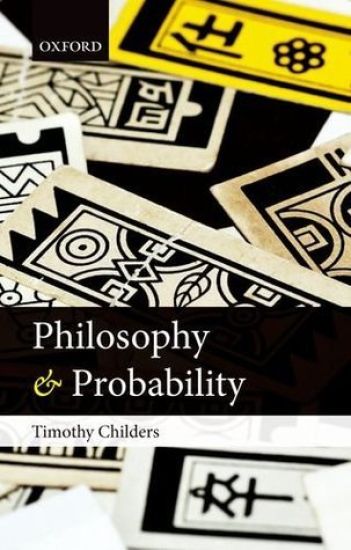
Probability is increasingly important for our understanding of the world. What is probability? How do we model it, and how do we use it? Timothy Childers presents a lively introduction to the foundations of probability and to philosophical issues it raises. He keeps technicalities to a minimum, and assumes no prior knowledge of the subject. He explains the main interpretations of probability-frequentist, propensity, classical, Bayesian, and objective Bayesian-and uses stimulating examples to bring the subject to life. All students of philosophy will benefit from an understanding of probability, and this is the book to provide it.
Philosophy and Probability

Philosophy and Probability

Timothy Childers

Oxford University Press
2013
sidottu
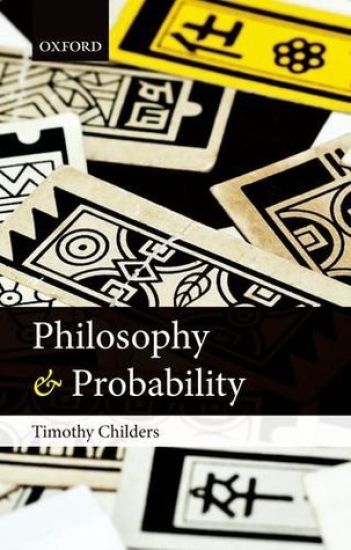
Probability is increasingly important for our understanding of the world. What is probability? How do we model it, and how do we use it? Timothy Childers presents a lively introduction to the foundations of probability and to philosophical issues it raises. He keeps technicalities to a minimum, and assumes no prior knowledge of the subject. He explains the main interpretations of probability-frequentist, propensity, classical, Bayesian, and objective Bayesian-and uses stimulating examples to bring the subject to life. All students of philosophy will benefit from an understanding of probability, and this is the book to provide it.