Kirjojen hintavertailu. Mukana 12 595 353 kirjaa ja 12 kauppaa.

Kirjailija

Timothy J. Gibb

Kirjat ja teokset yhdessä paikassa: 3 kirjaa, julkaisuja vuosilta 2014-2025, suosituimpien joukossa Insect Collection and Identification. Vertaile teosten hintoja ja tarkista saatavuus suomalaisista kirjakaupoista.

3 kirjaa

Kirjojen julkaisuhaarukka 2014-2025.

Insect Collection and Identification

Insect Collection and Identification

Timothy J. Gibb; Christian Oseto

Academic Press Inc
2019
nidottu
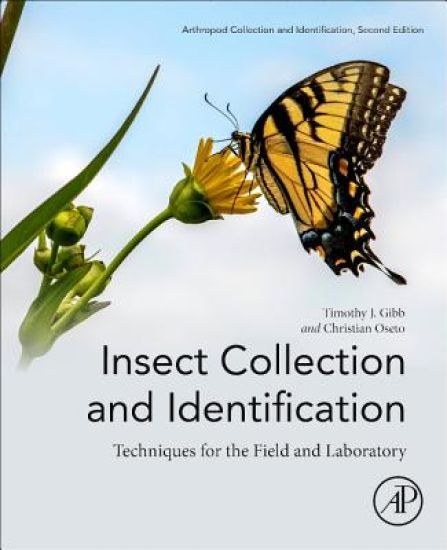
Insect Collection and Identification: Techniques for the Field and Laboratory, Second Edition, is the definitive text on all aspects required for collecting and properly preparing specimens for identification. This book provides detailed taxonomic keys to insects and related arthropods, giving recent classification changes to various insect taxa, along with updated preservation materials and techniques for molecular and genomic studies. It includes methods of rearing, storing and shipping specimens, along with a supporting glossary. New sections provide suggestions on how insects and other arthropods can be used within, and outside, the formal classroom and examine currently accepted procedures for collecting insects at crime scenes. This book is a necessary reference for entomology professionals and researchers who seek the most updated taxonomy and techniques for collection and preservation. It will serve as a valuable resource for entomology students and professionals who need illustrative and detailed information for easy arthropod identification.
Contemporary Insect Diagnostics

Contemporary Insect Diagnostics

Timothy J. Gibb

Academic Press Inc
2014
nidottu
Contemporary Insect Diagnostics aids entomologists as they negotiate the expectations and potential dangers of the practice. It provides the reader with methods for networking with regulatory agencies, expert laboratories, first detectors, survey specialists, legal and health professionals, landscape managers, crop scouts, farmers and the lay public. This enables the practitioner and advanced student to understand and work within this network, critically important in a time when each submission takes on its own specific set of expectations and potential ramifications. Insect diagnosticians must be knowledgeable on pests that affect human health, stored foods, agriculture, structures, as well as human comfort and the enjoyment of life. The identification and protection of the environment and the non-target animals (especially beneficial insects) in that environment is also considered a part of insect diagnostics. Additionally, Integrated Pest Management recommendations must include any of a variety of management tactics if they are to be effective and sustainable. This greatly needed foundational information covers the current principles of applied insect diagnostics. It serves as a quick study for those who are called upon to provide diagnostics, as well as a helpful reference for those already in the trenches.
Teaming with Insects

Teaming with Insects

Natalie J. Carroll; Christian Y. Oseto; Timothy J. Gibb

Purdue Scholarly Publishing Services
2025
nidottu
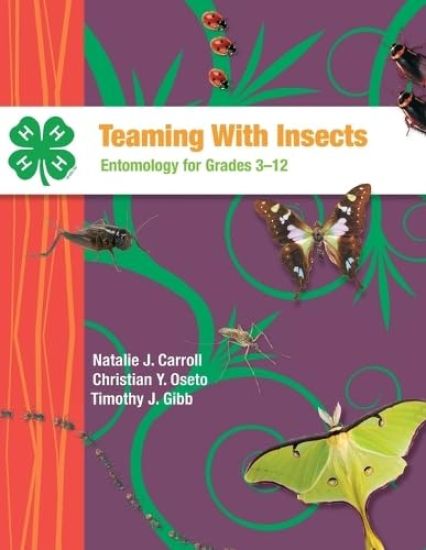
Teaming With Insects: Entomology for Grades 3–12 is written for youth who enjoy learning about and studying science and nature. Insects have been around for millions of years and have evolved and adapted to many different habitats. Adaptations involving their anatomy, physiology, and behavior are what make insects so diverse and interesting. More than 1 million species of insects are known to scientists, and they believe there may be up to 40 million more we have yet to discover. Most people consider insects pests, and some insects do damage to homes, plants, crops, and stored foods. Others harm humans and animals by biting, stinging, and spreading diseases. The vast majority of insects, however, are beneficial to our ecosystem, and a few, such as honeybees and silkworms, provide direct economic benefits to humans. This book is divided into four easy-to-use sections, each of which is designed with a specific purpose in mind and is tailored to a particular grade level. The first section is geared to students in grades 3 through 5. It introduces young readers to the world of insects, examining their physical appearance and movement. Level 2, intended for individuals in grades 6 through 8, demonstrates how to make insect collection tools and expands on the basic concepts of biodiversity, invasive species, integrated pest management, and forensic entomology. Suited for students in grades 9 through 12, level 3 focuses on using the scientific method, supplying reference materials for personalized learning and further research. The final section presented in Teaming With Insects, the facilitator's guide, provides suggestions and answers to the youth activities as well as information about working with future entomologists.