Kirjojen hintavertailu. Mukana 12 131 565 kirjaa ja 12 kauppaa.

Kirjailija

Timothy M. Harrison

Kirjat ja teokset yhdessä paikassa: 4 kirjaa, julkaisuja vuosilta 2020-2024, suosituimpien joukossa John Donne's Physics. Vertaile teosten hintoja ja tarkista saatavuus suomalaisista kirjakaupoista.

4 kirjaa

Kirjojen julkaisuhaarukka 2020-2024.

John Donne's Physics

John Donne's Physics

Elizabeth D. Harvey; Timothy M. Harrison

THE UNIVERSITY OF CHICAGO PRESS
2024
nidottu
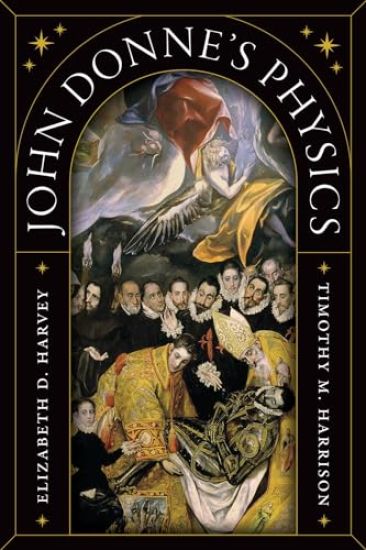
A reimagining of Devotions upon Emergent Occasions as an original treatment of human life shaped by innovations in seventeenth-century science and medicine. In 1624, poet and preacher John Donne published Devotions upon Emergent Occasions, a book that recorded his near-death experience during a deadly epidemic in London. Four hundred years later, in the aftermath of our own pandemic, Harvey and Harrison show how Devotions crystalizes the power, beauty, and enduring strangeness of Donne’s thinking. Arguing that Donne saw human life in light of emergent ideas in the study of nature (physics) and the study of the body (physick), John Donne’s Physics reveals Devotions as a culminating achievement, a radically new literary form that uses poetic techniques to depict Donne’s encounter with death in a world transformed by new discoveries and knowledge systems.
John Donne's Physics

John Donne's Physics

Elizabeth D. Harvey; Timothy M. Harrison

THE UNIVERSITY OF CHICAGO PRESS
2024
sidottu
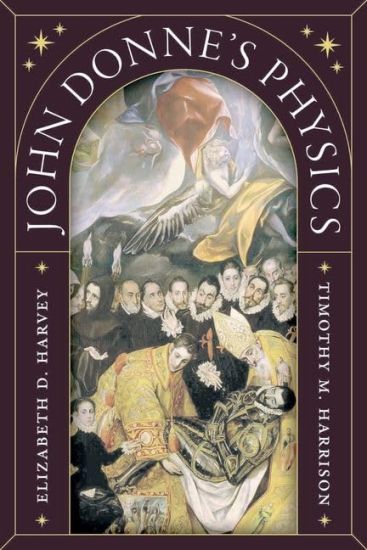
A reimagining of Devotions upon Emergent Occasions as an original treatment of human life shaped by innovations in seventeenth-century science and medicine. In 1624, poet and preacher John Donne published Devotions upon Emergent Occasions, a book that recorded his near-death experience during a deadly epidemic in London. Four hundred years later, in the aftermath of our own pandemic, Harvey and Harrison show how Devotions crystalizes the power, beauty, and enduring strangeness of Donne’s thinking. Arguing that Donne saw human life in light of emergent ideas in the study of nature (physics) and the study of the body (physick), John Donne’s Physics reveals Devotions as a culminating achievement, a radically new literary form that uses poetic techniques to depict Donne’s encounter with death in a world transformed by new discoveries and knowledge systems.
Coming To

Coming To

Timothy M. Harrison

University of Chicago Press
2020
sidottu
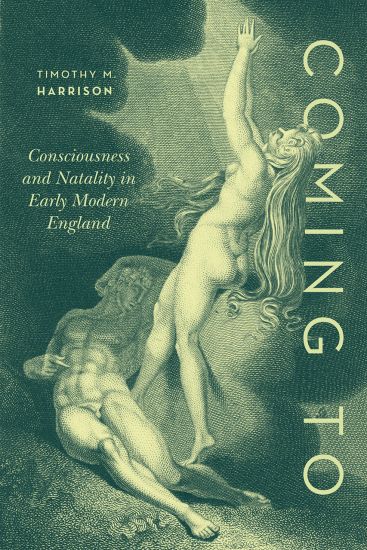
In Coming To, Timothy M. Harrison uncovers the forgotten role of poetry in the history of the idea of consciousness. Drawing our attention to a sea change in the English seventeenth century, when, over the course of a half century, “conscience” made a sudden shift to “consciousness,” he traces a line that leads from the philosophy of René Descartes to the poetry of John Milton, from the prenatal memories of theologian Thomas Traherne to the unresolved perspective on natality, consciousness, and ethics in the philosophy of John Locke. Each of these figures responded to the first-person perspective by turning to the origins of how human thought began. Taken together, as Harrison shows, this unlikely group of thinkers sheds new light on the emergence of the concept of consciousness and the significance of human natality to central questions in the fields of literature, philosophy, and the history of science.
Coming To

Coming To

Timothy M. Harrison

University of Chicago Press
2020
nidottu
In Coming To, Timothy M. Harrison uncovers the forgotten role of poetry in the history of the idea of consciousness. Drawing our attention to a sea change in the English seventeenth century, when, over the course of a half century, “conscience” made a sudden shift to “consciousness,” he traces a line that leads from the philosophy of René Descartes to the poetry of John Milton, from the prenatal memories of theologian Thomas Traherne to the unresolved perspective on natality, consciousness, and ethics in the philosophy of John Locke. Each of these figures responded to the first-person perspective by turning to the origins of how human thought began. Taken together, as Harrison shows, this unlikely group of thinkers sheds new light on the emergence of the concept of consciousness and the significance of human natality to central questions in the fields of literature, philosophy, and the history of science.